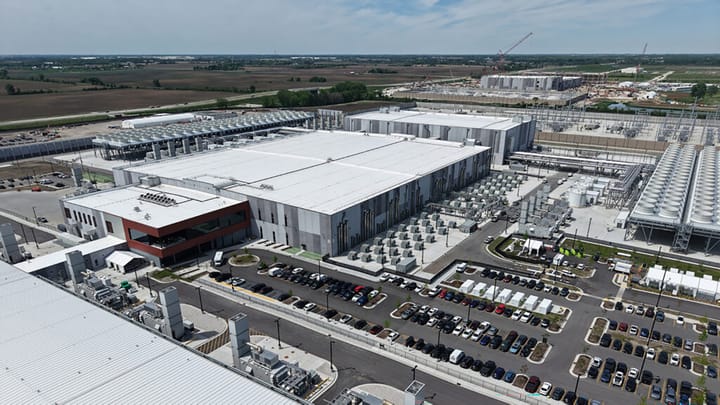
Texas Approves Batch Zero Study as Data Center Demand Soars
ERCOT’s Batch Zero process replaces utility-by-utility studies with a centralized review of large-load requests as AI demand surges.
Get smart on it
Texas's power grid regulator approved a new process called Batch Zero to evaluate large data center power requests all at once, rather than reviewing them individually through separate utility studies. The shift became necessary because AI-related demand for electricity has created such a surge of power requests that the old sequential review system became overwhelmed and slow. Under Batch Zero, projects must demonstrate significant development progress to qualify as committed loads, while others will be deferred to future studies, and transmission upgrades needed to serve these loads will now feed directly into long-term grid planning. Similar pressures are affecting power grid operators across the country, making this type of interconnection reform a response to unprecedented demand growth.
Related news

OpenAI and Broadcom announce chip designed for LLM inference at scale
OpenAI, the company behind ChatGPT and Codex and the models those tools utilize, and Broadcom, an established silicon supplier, have announced a new chip called Jalapeño, designed specifically for large language model inference in data centers. The chip is intended to be deployed at large data centers, both companies claim this is just the first generation in a long-term project that will see chips refined over time.Read full article Comments

Cerebras stock plunges after earnings as CEO says margin outlook was misunderstood
In its first earnings report since going public, the AI chipmaker forecast a narrower gross margin in its core business, scaring investors.