AI agent solves 49 of 50 physics research problems
The Decoder: GPT-6-Astra solves 49 of 50 physics research problems at $2.40 apiece
On the TheoPhysEval benchmark, GPT-6-Astra solves 49 of 50 unpublished theoretical physics calculations as accurately as leading specialists. In some cases where the agent seemed to fail, the experts' own reference solutions turned out to contain errors. But the researchers say physics hasn't had a breakthrough like the ones in mathematics, because the agents lack "taste." They still think autonomous, top-level AI research could arrive soon. They already see consequences for how young p
Get smart on it
Researchers released a benchmark of 50 unpublished theoretical physics problems with verifiable answers to test whether AI agents can solve the type of routine calculations that physics researchers regularly perform. The leading AI agent solved 49 of the 50 problems, demonstrating that the strongest current AI models may have surpassed the best human researchers on concrete calculations in specialized physics fields. However, breakthroughs have not followed these strong computational results because physicists rely on judgment about which problems are worth solving and what makes research interesting, capabilities that current AI agents have not yet developed. The benchmark raises concerns about how AI will reshape physics training and research access, since solving these problems cheaply through AI could shift advantages toward better-funded research groups rather than keeping the field relatively equal as it has been historically.
Explainer: How to Actually Read an AI Benchmark (Without Being Fooled)
Relevant courses
Want to go deeper than the news? Explore live, cohort-based AI courses taught by practitioners.
Browse AI courses on MavenRelated news
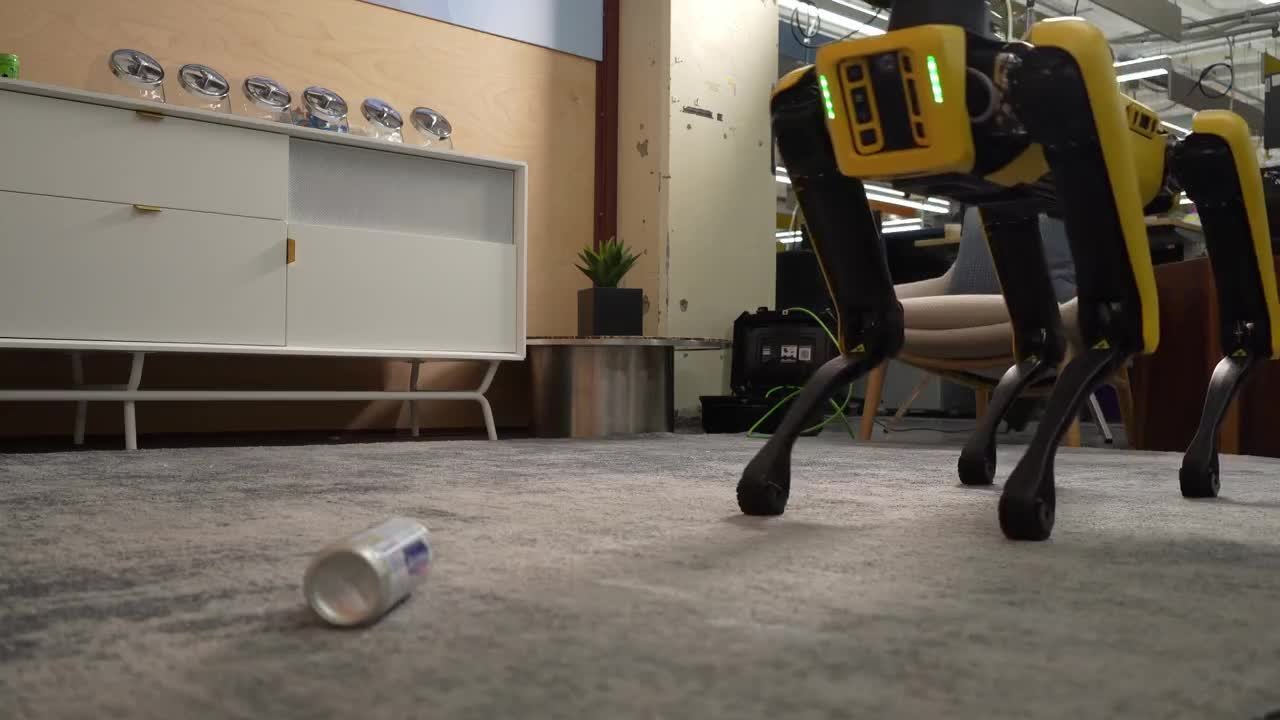
Google wants Gemini 4 Argon to be the only AI model robots need
Google's Gemini 4 Argon controls robots, generates simulations from photos or sketches, and evaluates training videos. On Google's own ERQA benchmark, it scores 87 percent. But the published example prompts show that the demos still need a lot of human guidance. The article Google wants Gemini 4 Argon to be the only AI model robots need appeared first on The Decoder.

The AI race is back on
Last week, Anthropic and OpenAI looked like they had the AI race to themselves, pulling ahead with increasingly powerful models that left their rivals in the dust. Google seemed hopelessly far behind, while Meta, despite spending billions to revive its floundering AI ambitions, had yet to establish itself as a serious contender. Even the latest models coming out of China, impressive as they were, appeared to be playing catch-up. Then, in the space of a few days, everything chan
MLCommons Selected as Benchmarking Team for U.S. National Science Foundation–Backed AI Efficiency Challenge to Build MLPerf Agents
MLCommons has been selected as the Benchmarking Team for the STRIDE Ventures AI Efficiency Challenge, a program supported by the U.S. National Science Foundation Directorate for Technology, Innovation and Partnerships (NSF TIP). Through a $3.5 million award over two years, MLCommons will develop MLPerf Agents, a new benchmark that measures how efficiently agentic AI systems get real work done — from a delegated goal all the way to a verified outcome As a nonprofit consortium composed of comp

Grok Voice 3.0 from SpaceXSI outscores OpenAI and Google on speech-to-speech index
Elon Musk’s artificial intelligence company SpaceXSI, formerly xAI, today released Grok Voice 3.0, a new version of the speech-to-speech model behind its Voice Agent API. SpaceXSI is pitching the model to businesses that handle customer support and sales calls with voice agents. Independent testing firm Artificial Analysis ranks it first among models of its type. Artificial […] The post Grok Voice 3.0 from SpaceXSI outscores OpenAI and Google on speech-to-speech index appeared first
Also reported by MarkTechPost
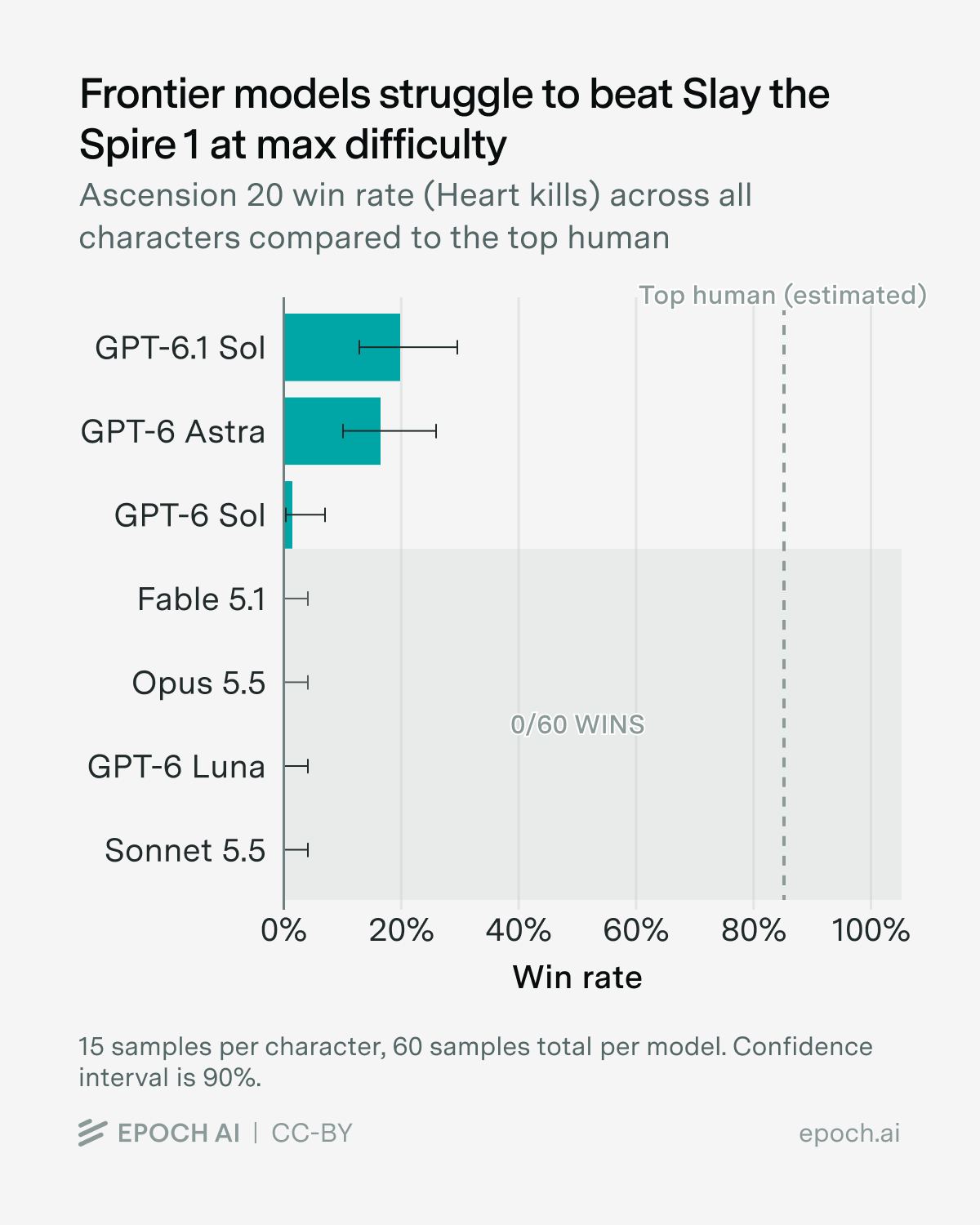
How well can AI play Slay the Spire?
Months ago, frontier models could barely beat Slay the Spire. Now they win 90%+ at the easiest setting and up to 20% at the hardest. Results from Epoch AI’s new SpireClimb benchmark.

AI guardrails designed to stop hackers are now blocking defenders, and Orion-1 aims to fill the gap
Artemis Security's new Orion-1 model is purpose-built for cyber defense and beats Claude Opus 5.5 and GPT-6 Sol on the company's own benchmark. The model fills a growing gap as general-purpose frontier models lock down their cyber capabilities, blocking defenders in the process. The article AI guardrails designed to stop hackers are now blocking defenders, and Orion-1 aims to fill the gap appeared first on The Decoder.