Why this CEO thinks video games make better training data than the internet
When it comes to achieving artificial general intelligence (AGI), large language models just don’t have what it takes. Models like ChatGPT and Claude are great at text, but they’re less skilled at understanding how things actually move through space and time — an essential skill for producing intelligence that generalizes. That gap, it turns out, might be filled by gaming data. That’s the bet behind General Intuition, a
Get smart on it
Large language models like ChatGPT and Claude are skilled at processing text but lack the ability to understand how objects move through space and time, a capability needed for artificial general intelligence. A startup believes this gap can be filled by training AI models on video game data instead of internet data, since games contain rich information about physical movement and interactions. The startup has secured significant funding from major investors and backers to pursue this approach to developing what it calls physical AI. The CEO has discussed how gaming data might represent the next major breakthrough in AI development.
Related news
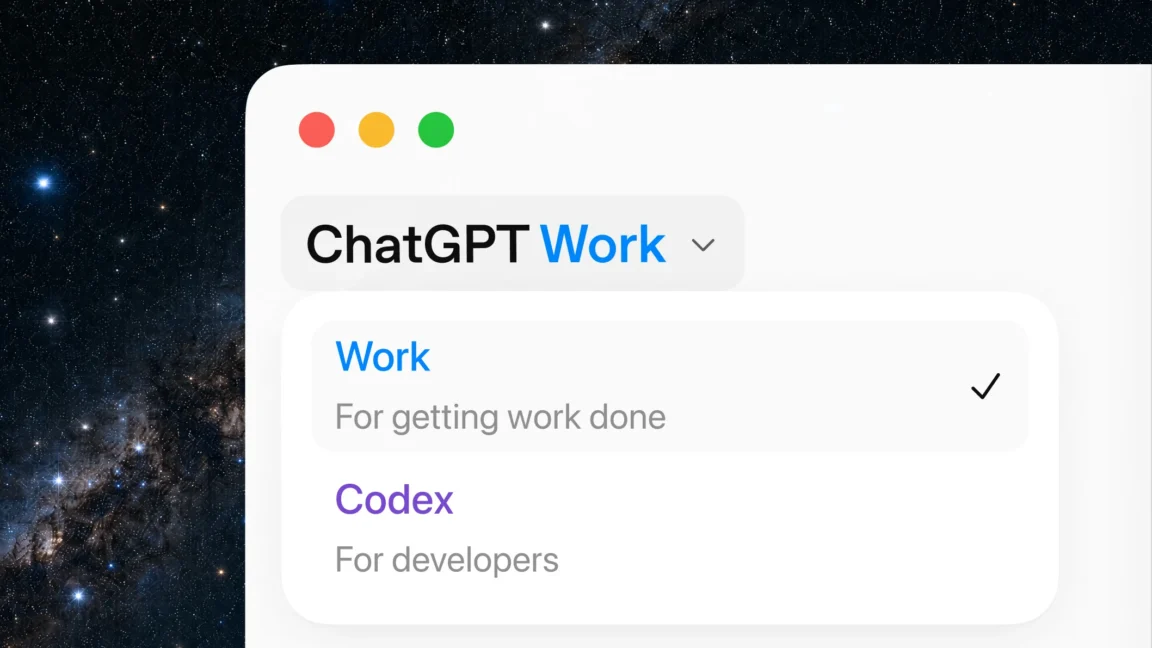
OpenAI wants its new tool to do your work for you and with you
Last year, when we tested out the "Agent Mode" in OpenAI's Atlas web browser, we complained that any automated tasks tended to stop after a few minutes, limiting its usefulness for ongoing or complex tasks. With today's release of ChatGPT Work, OpenAI says it has solved that problem with a new tool that can "stay with a project for hours if needed, and turn a goal into finished work." The company is challenging users to evaluate ChatGPT Work by "giv[ing] it a task you already know well," such as

An AI agent startup just let its agent run its $100M fundraise
Lyzr, a startup that builds AI agents for enterprises, used its own AI agent to raise a $100 million round — proof, evidently, that the product actually works.