What happens when you put AI to work deciphering lost languages?
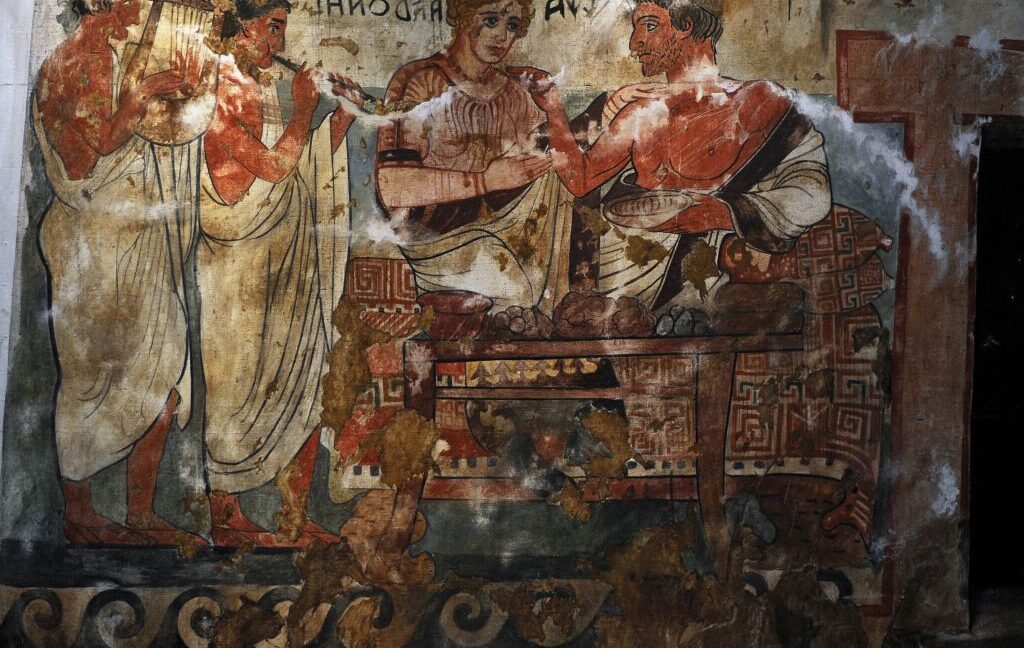
Every ancient language that has ever been deciphered needed an anchor. Usually that’s a bilingual text, like the Rosetta Stone, or a known relative to compare it to. Linear A, the writing system of the Bronze Age Minoan civilization on the Greek island of Crete, has neither. Linear A is described as a “language isolate” because it has no confirmed link to any known language, living or dead. As such, it has posed a significant challenge for linguists over the past century. Etruscan, a language of
Get smart on it
AI is being used to help linguists decipher lost languages like Linear A and Etruscan by rapidly testing hypotheses against large collections of ancient texts, work that would take humans months or years to complete by hand. AI excels at spotting patterns and cross-checking information across archives, but it cannot create meaning from statistical patterns alone and still requires an anchor point, such as a known related language or bilingual text, to determine which patterns are actually meaningful. The challenge with undeciphered languages is that there is no way to verify proposed translations against native speakers or expert consensus, making independent expert review and peer scrutiny critical rather than relying on AI confidence scores. AI functions most effectively as a research assistant that accelerates human investigation rather than as an independent solver of these linguistic puzzles.
Related news

Meet Shepherd: An Open-Source Python Substrate That Lets Meta-Agents Fork, Replay, and Revert Any Agent Run
Long-running agents accumulate state that no transcript captures. A coding agent at step 10 holds edited files, a running dev server, installed packages, and a warm prompt cache. When it misreads a traceback and rewrites a file that was already correct, neither available recovery path is cheap: patching forward grows the context and the token bill, and restarting from step one re-pays every model and tool call while reproducing nothing exactly, because runs are non-deterministic. Jumping back t

How to Disable Gemini in Gmail and Google Docs
New AI toolbars and prompts are showing up in Google Docs and Gmail. If you don’t want Gemini’s help in writing documents and emails, here’s how to turn that stuff off.