Viture’s Vonder Glasses Are Meant to Map Your Mind
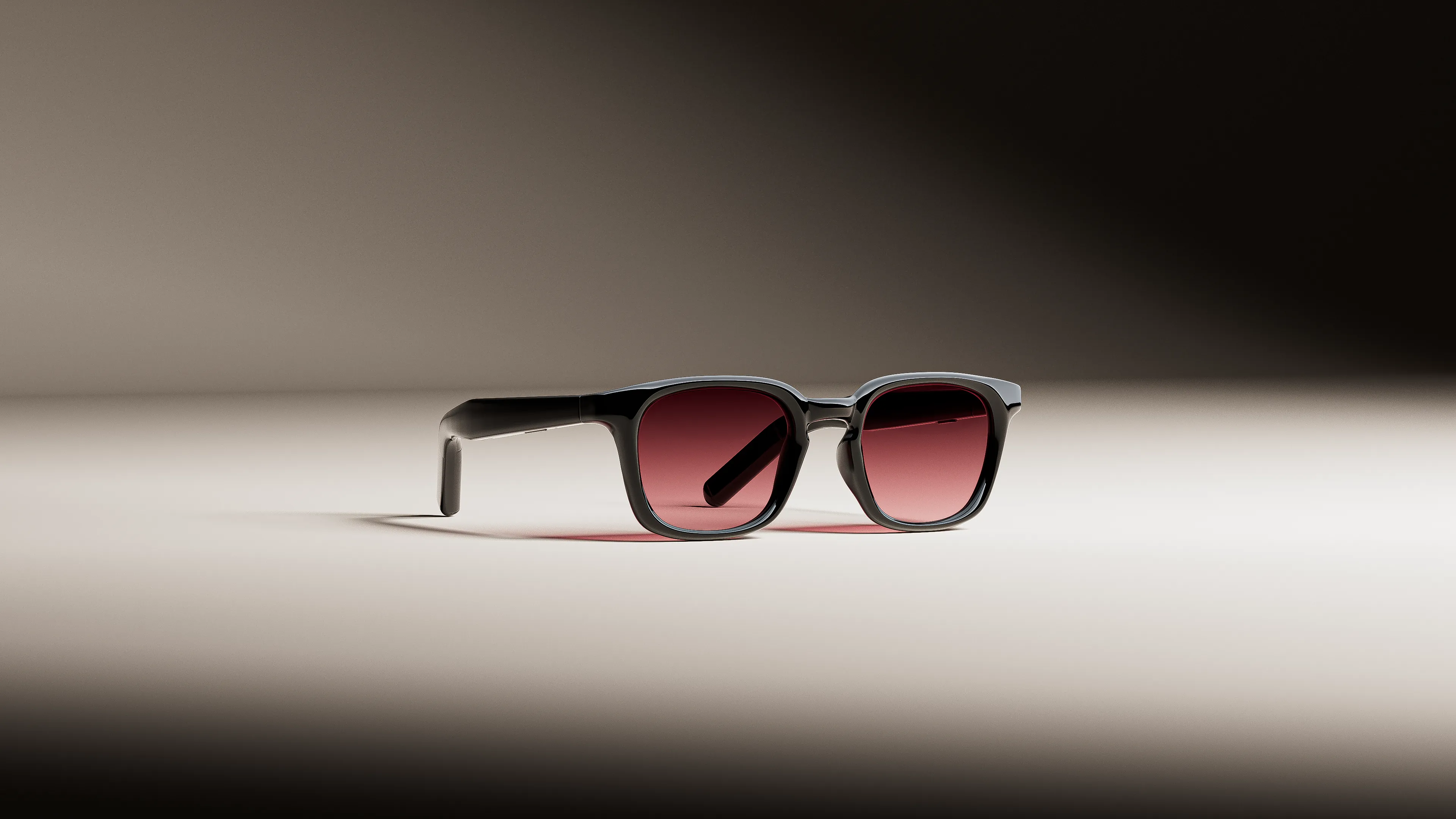
No cameras? No problem. Viture’s first display-free smart glasses have bone-conduction microphones to privately record your daily musings.
Get smart on it
Smart glasses without cameras are being introduced as a privacy-focused alternative to existing smart eyewear. These glasses use bone-conduction microphones to passively record the wearer's spoken thoughts and conversations throughout the day, then use artificial intelligence to organize this information into a personal memory graph that tracks patterns, memories, and ideas. The glasses can identify behavioral patterns and provide feedback to the wearer, such as suggesting behavioral changes, and they cost $299 with preorders beginning in late September. This development matters because it represents an attempt by smart glasses manufacturers to distance themselves from privacy concerns associated with camera-equipped smart glasses while still collecting detailed personal data through audio recording.
Related news

Meta is making a standalone Muse AI gadget
Meta is building a dedicated hardware device for its new Muse AI agent. The product, called Muse Charm, was briefly shown off by Meta CEO Mark Zuckerberg at the end of tonight's Meta Connect presentation. It looks almost like a chunky smartwatch without the strap - just a big screen, plus a little lanyard for carrying the device around. The Muse Charm has a fingerprint sensor on the top right corner that you can press to activate and begin speaking to the agent. There appears t

Everything new coming to Meta’s AI agent Muse
CEO Mark Zuckerberg kicked off the company’s annual Connect event in Menlo Park on Wednesday with a keynote that made one thing clear: Meta is going all-in on Muse. It's even coming to Meta's AI glasses.