US company’s AI lets Ukraine’s cheap kamikaze drones track targets on their own
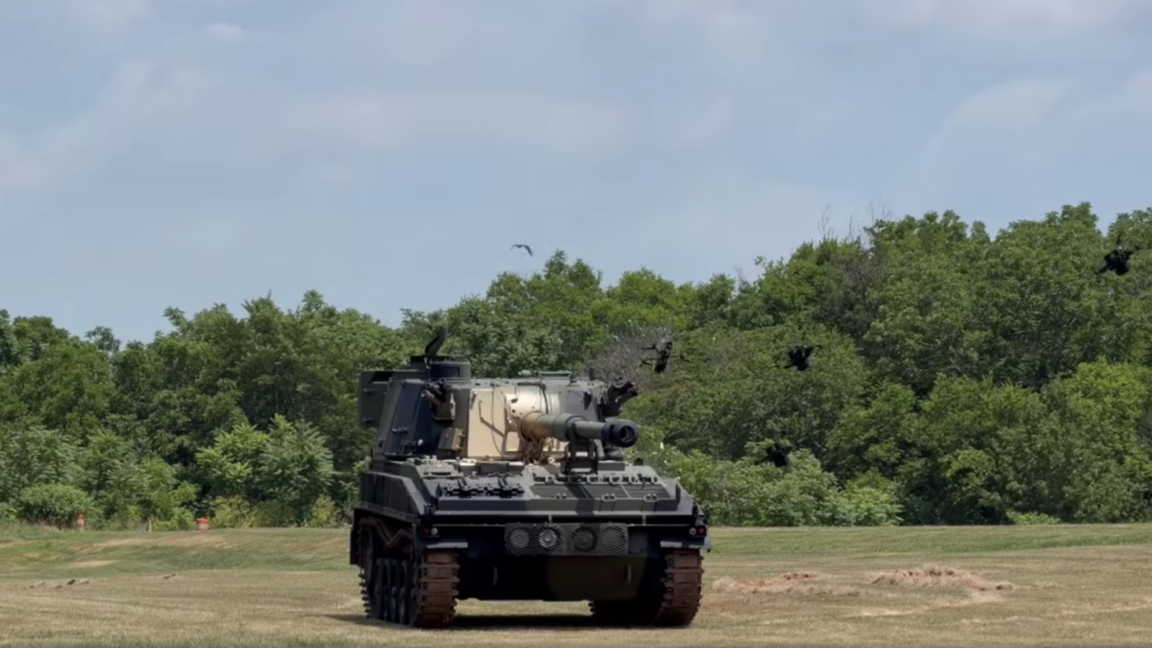
Ukrainian drone operators have destroyed many Russian armored vehicles on the ground and even military helicopters in midair using $400 Shrike drones with explosive payloads. Now thousands of such drones are getting upgraded with an AI system capable of autonomously tracking and homing in on moving targets. In mid-July, the Ukrainian military began receiving Shrike drones made by the Ukrainian company SkyFall equipped with AI-powered autonomy hardware and software developed by the US company Aut
Get smart on it
Ukrainian military forces have begun receiving cheap kamikaze drones equipped with AI systems that can autonomously track and strike moving targets without human guidance. A US company developed software that allows drone operators to designate a target and switch the drone to "fire-and-forget" mode, where it uses only its onboard camera to track targets without relying on GPS, which is vulnerable to jamming. This upgrade costs significantly less than precision munitions used by Western militaries and addresses the reality that manually piloted drones have become the primary weapons affecting frontline combat in Ukraine. A $100 million contract will fund the delivery of 50,000 of these upgraded drones in the coming months, with potential future capability to allow a single operator to command multiple autonomous drones attacking separate targets simultaneously.
Related news

Meet Shepherd: An Open-Source Python Substrate That Lets Meta-Agents Fork, Replay, and Revert Any Agent Run
Long-running agents accumulate state that no transcript captures. A coding agent at step 10 holds edited files, a running dev server, installed packages, and a warm prompt cache. When it misreads a traceback and rewrites a file that was already correct, neither available recovery path is cheap: patching forward grows the context and the token bill, and restarting from step one re-pays every model and tool call while reproducing nothing exactly, because runs are non-deterministic. Jumping back t

How to Disable Gemini in Gmail and Google Docs
New AI toolbars and prompts are showing up in Google Docs and Gmail. If you don’t want Gemini’s help in writing documents and emails, here’s how to turn that stuff off.