There’s a Fatty Liver Epidemic. AI Could Help Get Ahead of It
Over a billion people worldwide have livers with excess fat, which can lead to a host of medical problems. Researchers think AI tools can spot the condition—and help stop it—early enough to save lives.
Get smart on it
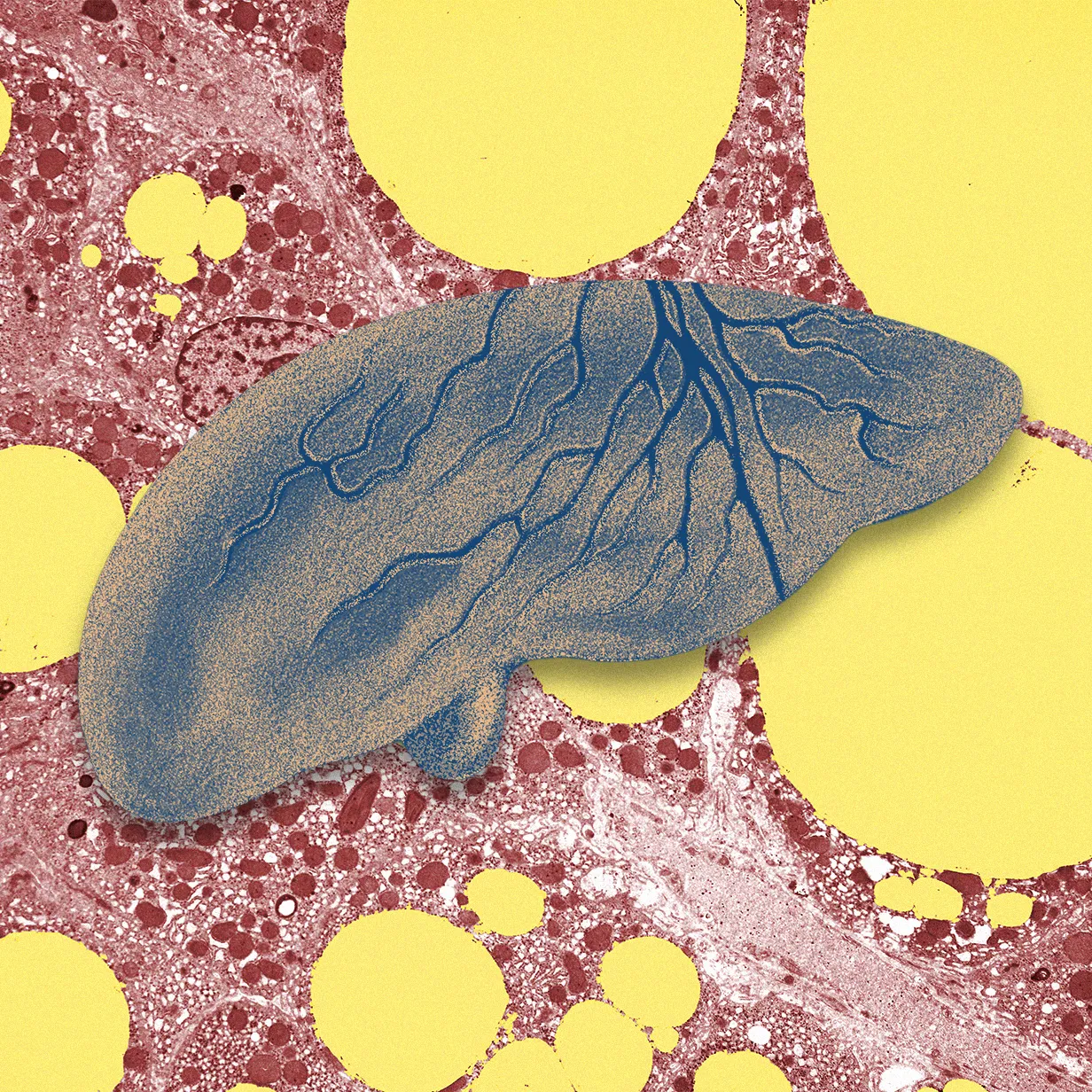
Over a billion people worldwide have fatty liver disease, a condition that typically develops without noticeable symptoms and can eventually lead to liver failure, cardiovascular disease, and various cancers. AI tools are being developed to identify this condition early by analyzing routine blood tests and x-ray images, which is critical because the disease is highly reversible in its initial stages through lifestyle changes and newer medications, yet three-quarters of advanced cases are only diagnosed when life-threatening. Researchers believe AI can help by automating risk assessments and screening large volumes of medical records to prioritize patients most likely to have significant liver fat, addressing the gap where simple diagnostic tests exist but are rarely used in practice. Several AI algorithms have already demonstrated effectiveness in predicting liver fibrosis risk and identifying which patients would benefit from specific treatments.
Related news

How Protolabs turns CAD files into parts in under 24 hours
The Robot Report Podcast · How Protolabs turns CAD files into parts in under 24 hours Marc Kermisch, Chief Technology and AI Officer at Protolabs. Marc Kermisch is the chief technology and AI officer at Protolabs. He leads the Maple Plain, Minn.-based company‘s global technology organization, overseeing its software product development, digital manufacturing platform evolution, and enterprise-wide artificial intelligence and research & development strategies. Kermisch also focuses on

You can now turn off Google Gemini’s visible watermarks
Google will now allow you to remove visible watermarks from the images, videos, and music made with AI tools. With the update, you can toggle off a new "Media watermark" setting in Gemini and Google's AI video generator, Flow. When toggled off, Google will remove the "sparkle" watermark that appears in the bottom-right corner of content generated with the company's Nano Banana and Omni models. Though visible watermarks are now optional, AI-generated content will have invisible