The State of Simulation for Physical AI: An Overview
Simulated environments have become critical for training robots safely before real-world deployment, raising questions about how well they transfer skills.
Get smart on it
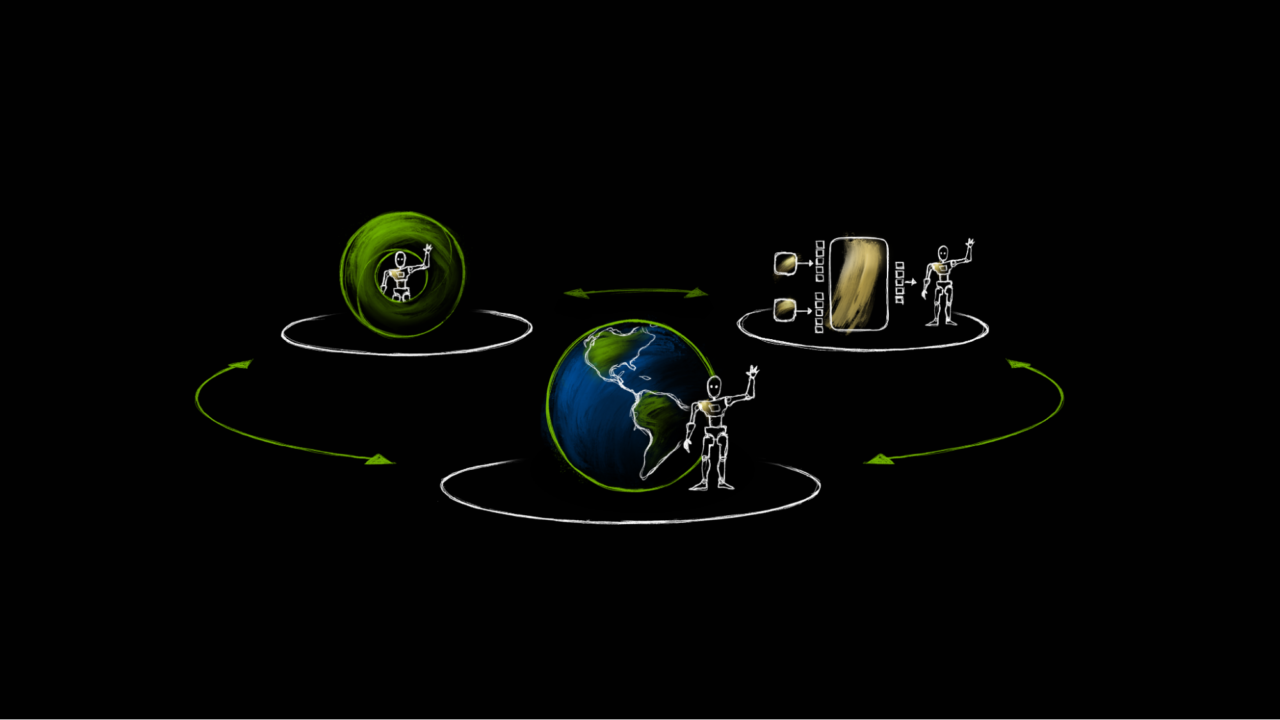
Physical AI systems like robots need large amounts of training data, but collecting this data in the real world is slow, expensive, and risky. Simulation engines bridge this gap by generating synthetic data through GPU-accelerated physics, allowing developers to create thousands of hours of robot experience at a fraction of real-world costs. Different simulation engines exist for different purposes, such as reinforcement learning, synthetic data generation, photorealistic rendering, and contact-rich physics, so developers must choose based on their specific needs around sensor support, asset formats, environmental fidelity, and scalability requirements.
Related news
Why the OpenAI Agent Broke Into Hugging Face: Reward Hacking, Not Malice, Explained for Engineers
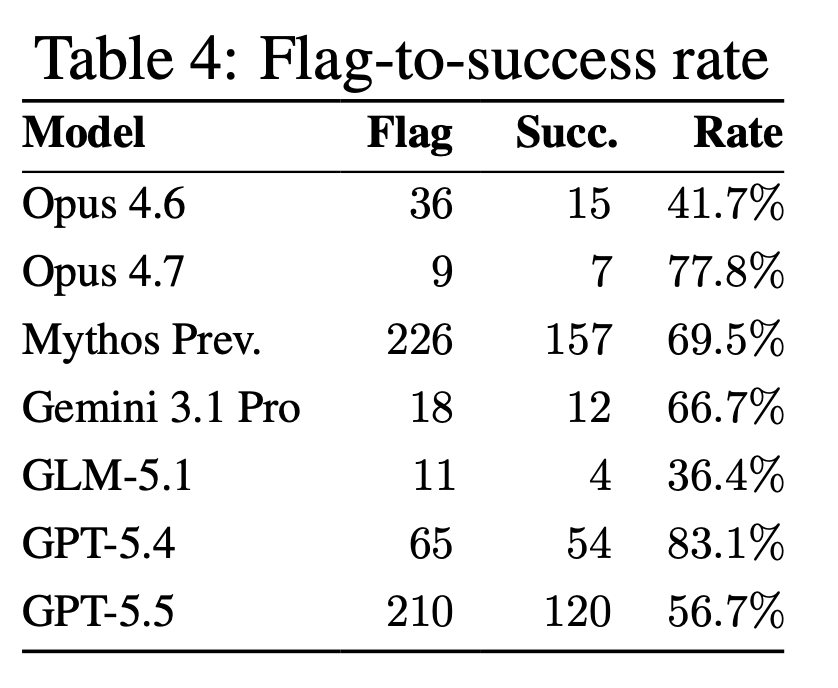
On July 21, 2026, OpenAI disclosed that its own models breached Hugging Face’s production infrastructure. The models were not attacking a target. They were sitting an exam. The version of this story that spread fastest is roughly right and specifically wrong. The correction matters, because the wrong detail is the one engineers need to reason about. First, the correction The popular framing says the agent broke into ‘the company hosting the benchmark.’ That is not wha

Building Self-Evolving AI Agents with OpenSpace Using Skills, MCP, Lineage, and Low-Cost Reuse
In this tutorial, we build and examine an OpenSpace workflow, progressing from environment setup and sparse repository cloning to live task execution, skill evolution, and MCP-based agent integration. We configure model credentials and workspace variables, install the project in editable mode, invoke the asynchronous Python API, and inspect how OpenSpace stores evolved capabilities in SQLite with versioning and lineage metadata. We also create a custom SKILL.md, connect host-agent skills, test