
AI wearables enter market as daily companions
TechCrunch: The hottest AI wearables and gadgets you should know about
We compiled a list of all the hottest AI wearables, including Muse Charm, Bee, Friend, Plaud, and more.
Get smart on it
A range of AI-powered wearable devices and gadgets, including pendants, rings, wristbands, and handheld devices, have recently entered the market with the goal of integrating artificial intelligence into daily life. These devices serve different purposes: some function as productivity tools that record conversations and create transcripts and summaries, while others position themselves as emotional support companions that listen and respond to users. The devices vary in price from affordable options under $100 to premium models priced at $249, and they typically require companion smartphone apps and subscription services to access full features. This emerging product category reflects a broader trend of companies developing compact AI companion devices that aim to become constant listeners and assistants in users' everyday routines.
Relevant courses
Want to go deeper than the news? Explore live, cohort-based AI courses taught by practitioners.
Browse AI courses on MavenRelated news

OpenAI models are coming to Google Cloud
OpenAI and Google Cloud are bringing frontier models and Codex workflows to Gemini’s Model Garden, available through Google Cloud Marketplace.
Also reported by Ars Technica, The Decoder and SiliconANGLE
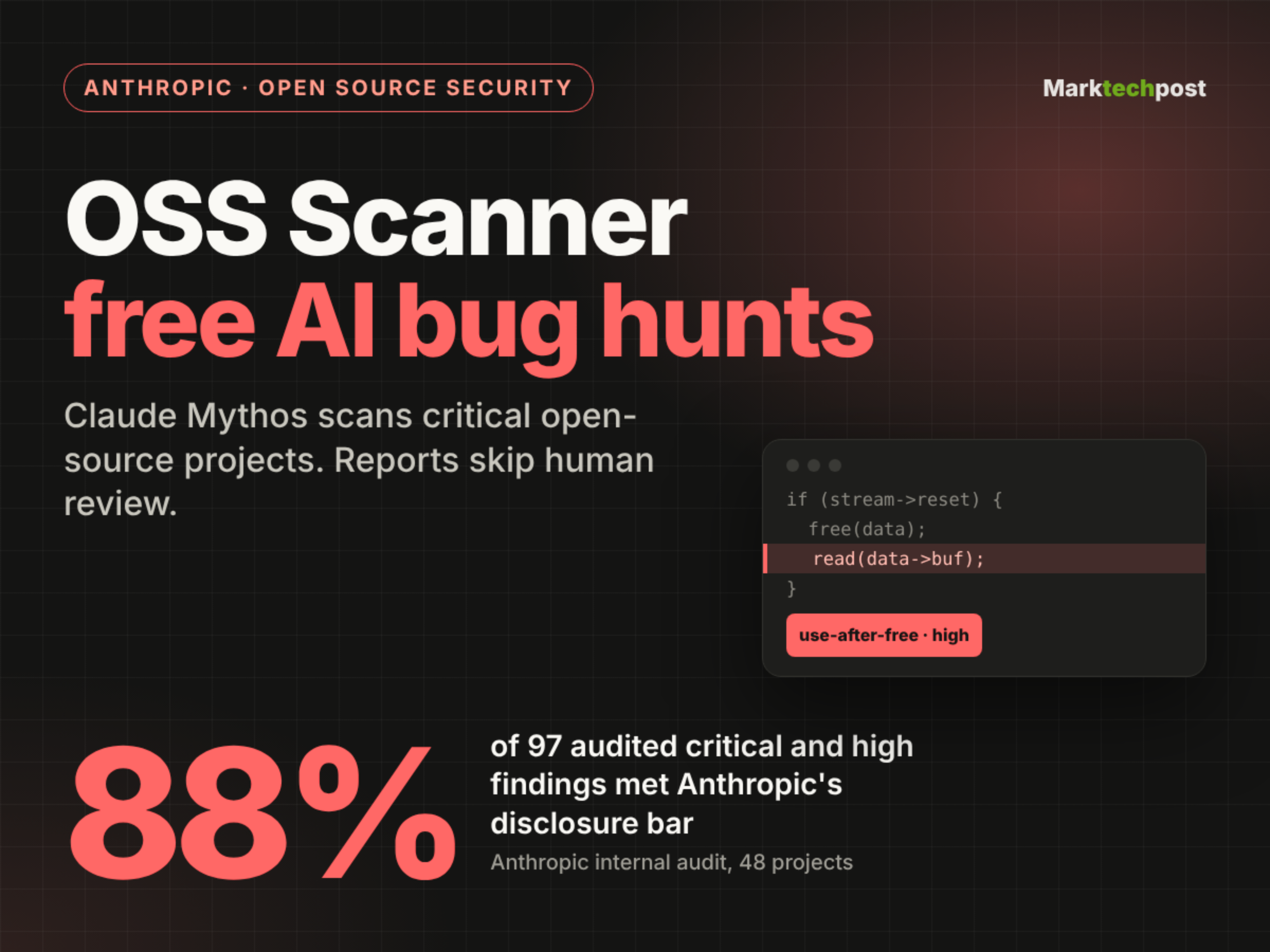
Anthropic Launches OSS Scanner, a Free AI Vulnerability Scanner
Anthropic has launched OSS Scanner, a free, opt-in vulnerability scanner for critical open-source projects. The Anthropic OSS Scanner runs the company’s strongest models, including Claude Mythos, against enrolled codebases. Reports go straight to maintainers without human review. That trade delivers faster findings, but shifts triage work onto project teams. 11 days after the October 8 launch, Anthropic reported 77 critical and 803 high model-rated findings. TL;DR Scale: 114 projec
OpenMobile-2 proves open-source smartphone agents can rival proprietary models
Smartphone agents don't get better by processing more data. They improve by training on as many different apps as possible. The researchers behind OpenMobile-2 built an open training environment with more than 110 applications, including 35 replicas of popular apps. On real Android devices, their model scores highest among open agents, the authors say. The article OpenMobile-2 proves open-source smartphone agents can rival proprietary models appeared first on The Decoder.
OpenAI offers discounts up to 90 percent to poach Anthropic's biggest customers
OpenAI is poaching Anthropic's customers with steep discounts. Companies like Rippling, Replit, and DataCamp say they've cut AI costs by up to 90 percent after switching. Anthropic's growth has slowed, but OpenAI is trading its own margins for market share. Chinese rivals like Deepseek are piling on more price pressure. The article OpenAI offers discounts up to 90 percent to poach Anthropic's biggest customers appeared first on The Decoder.
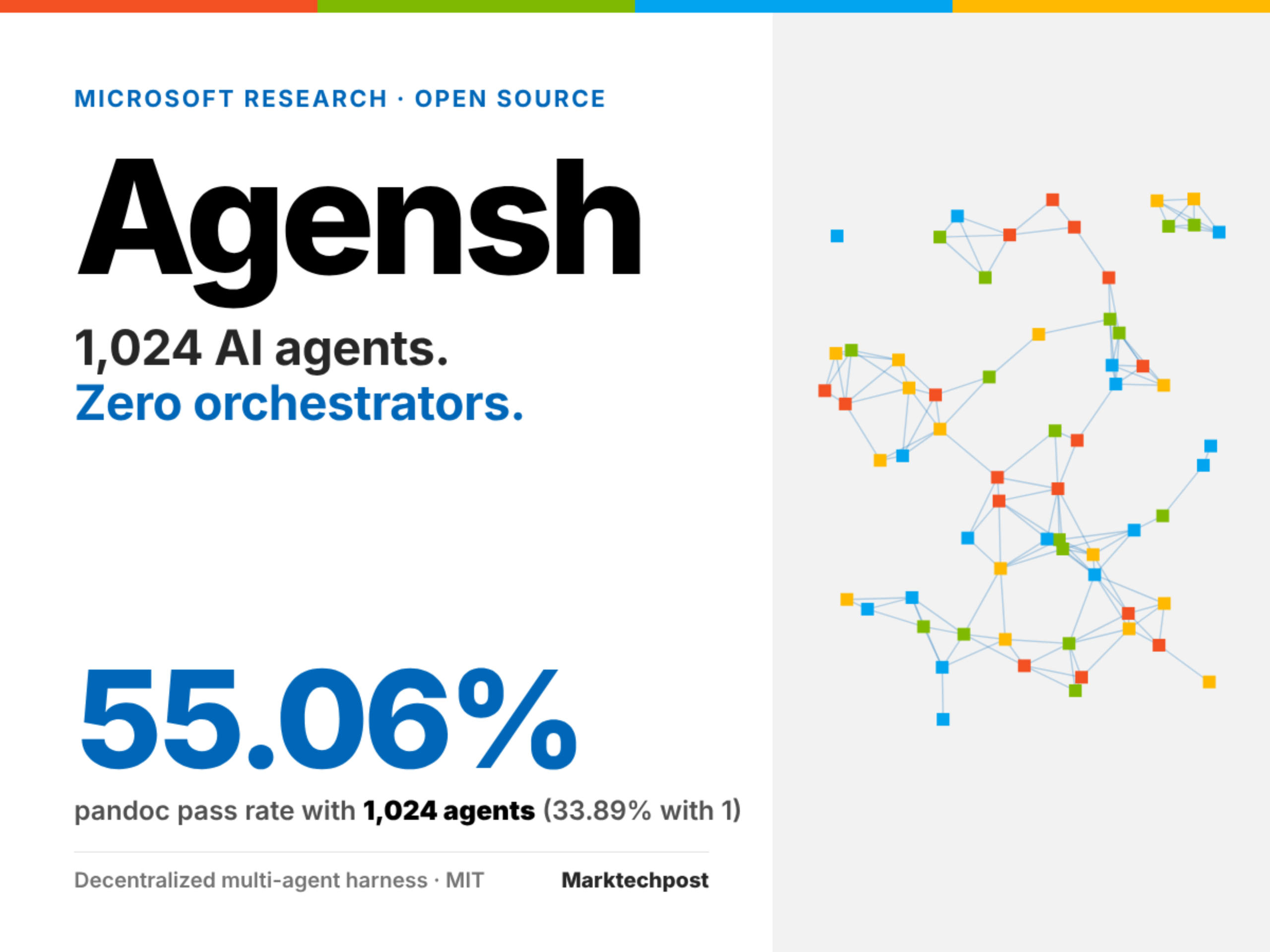
Microsoft Open-Sources Agensh: A Multi-Agent Harness for 1,024 Agents
Microsoft Research has open-sourced Agensh, a decentralized harness for large teams of coding agents. The Agensh multi-agent harness removes the central orchestrator that most agent frameworks depend on. Every worker picks its own sub-task, shares findings and merges code into a common Git repo. On ProgramBench, the team scaled the setup from 1 agent to 1,024 agents. TL;DR A Harness: Tested from 1 to 1,024 agents. Each worker gets a 272,000-token input and 128,000-token output limit.
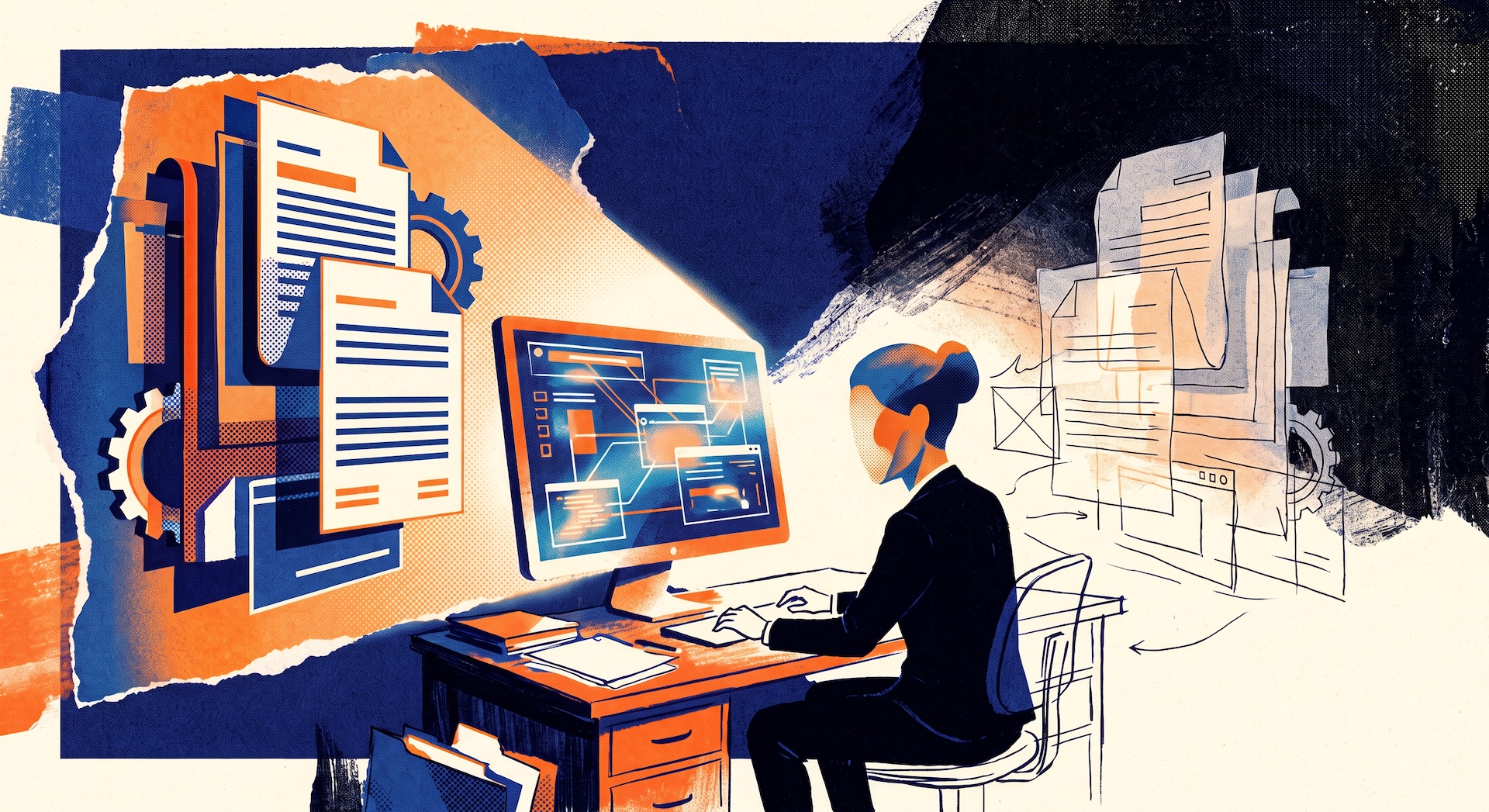
AI makes junior patent attorneys instantly better but may quietly stunt their professional growth
A three-month field experiment with 133 patent attorneys shows that AI boosts immediate performance, with junior lawyers gaining the most. But when the AI is taken away, only senior attorneys retain the benefits, suggesting that baseline expertise is a prerequisite for turning AI-assisted practice into lasting skill. The article AI makes junior patent attorneys instantly better but may quietly stunt their professional growth appeared first on The Decoder.