Real-Time Intelligence with IBM Time Series Models on Confluent
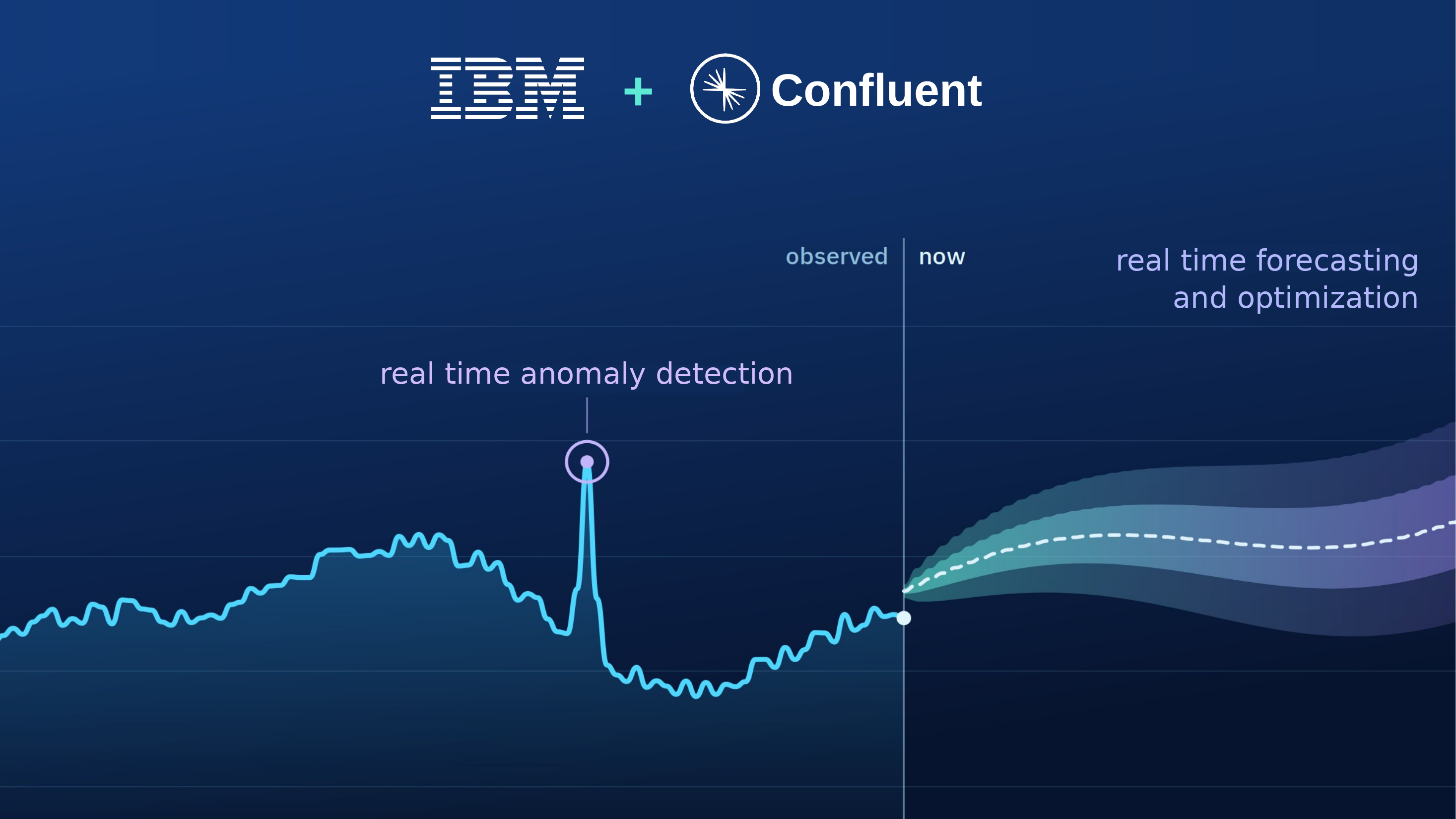
Combining streaming data platforms with specialized AI models could help organizations detect patterns and anomalies faster than traditional batch processing methods.
Get smart on it
Time series foundation models are AI systems trained on vast amounts of varied data signals that can forecast future values, detect anomalies, and find similar patterns in data streams without requiring specialized data science expertise. These models are now being integrated directly into real-time data streaming platforms, allowing business decisions about forecasting, anomaly detection, and optimization to happen as data flows rather than after the fact. The integration eliminates the previous approach of building separate models for individual problems and waiting months for expert teams to implement solutions. This matters because real-time decisions about operations, like detecting equipment failure or predicting demand, lose value as time passes, so running analysis where data already moves reduces delay and allows non-specialists to apply the technology to their own domains.
Related news

The sameness problem behind those unappetizing AI-generated menus
While restaurant owners might look to generative AI as a shortcut to sprucing up their menu, customers can viscerally sense that something is wrong with the food.
.gif&s=kx7H9a1S3ZIMP7WHNPT2XBlIq6uwDsVvpMZbLf-dnSA)
Nobody Is Saying Why OpenAI and Anthropic Had Outages Today
ChatGPT, Claude, and Grok all suffered outages at nearly the exact same time for reasons that remain murky.