Rabbit’s new AI agent doesn’t need an R1 to run
Rabbit, the company behind the underwhelming R1 device, is rolling out a standalone AI agent that you don't need its hardware to use, as reported earlier by Wired. The startup says its new OS3 "agentic operating system" runs in the cloud but operates locally across Windows, Mac, and Linux devices. According to Rabbit, you can add up to five devices to one account, along with your preferred AI models. OS3 will automatically determine the devices, files, apps, and AI models it ne
Get smart on it
Rabbit, the startup behind the R1 device, has released OS3, an AI agent that operates across Windows, Mac, and Linux devices without requiring its hardware to run. The system runs in the cloud but can operate locally, allowing users to add up to five devices to one account and select preferred AI models that automatically determine what resources are needed to complete tasks. Access is available through a desktop site, messaging apps, or the R1 device itself. The company has stopped manufacturing R1 devices but plans to launch a new "cyberdeck" device running OS3 within months.
Related news

Meta is making a standalone Muse AI gadget
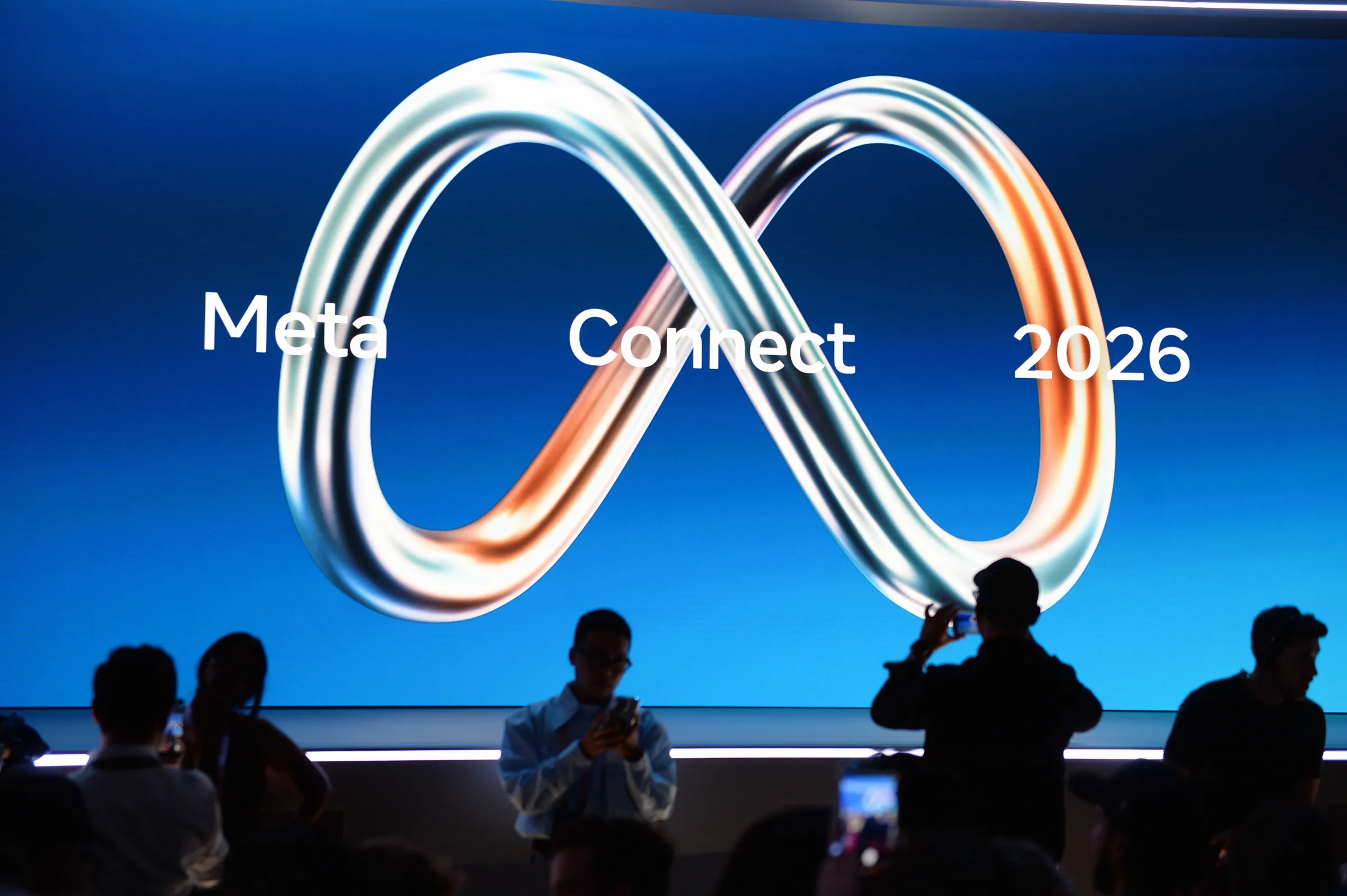
Meta is building a dedicated hardware device for its new Muse AI agent. The product, called Muse Charm, was briefly shown off by Meta CEO Mark Zuckerberg at the end of tonight's Meta Connect presentation. It looks almost like a chunky smartwatch without the strap - just a big screen, plus a little lanyard for carrying the device around. The Muse Charm has a fingerprint sensor on the top right corner that you can press to activate and begin speaking to the agent. There appears t

Everything new coming to Meta’s AI agent Muse
CEO Mark Zuckerberg kicked off the company’s annual Connect event in Menlo Park on Wednesday with a keynote that made one thing clear: Meta is going all-in on Muse. It's even coming to Meta's AI glasses.