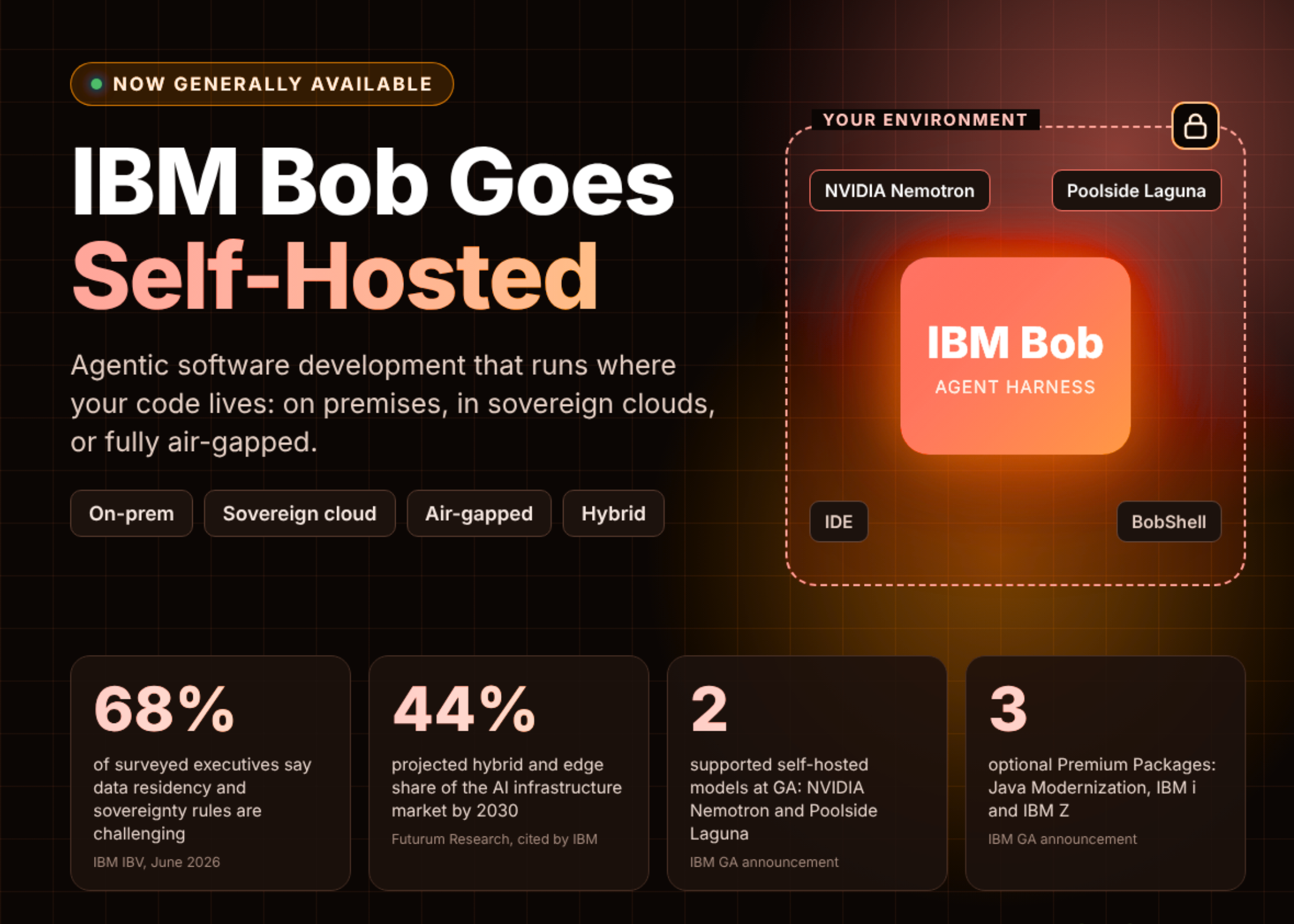
OpenAI hit the brakes. Now what?
With a looming IPO, intense competition from Anthropic, and Chinese and open-weight rivals nipping at its heels, OpenAI has plenty of reasons to move fast. Instead, it hit the brakes. On Tuesday, the company said it had slowed the pace of some AI development while it tightened security and safeguards. That included a two-week pause in reinforcement learning training on its "latest models intended for deployment," and an ongoing delay to its "largest planned frontier RL run." Th
How it resolved
Will OpenAI announce a major safety or governance update within 14 days of the training pause?
Resolved YesResolved by Sep 3, 2026
Pacing model development in an era of cyber-critical capabilities · CompanyAug 18, 2026
Get smart on it
A major AI company announced it has slowed the pace of some AI development to strengthen security and safeguards, including pausing certain advanced training for two weeks. This move represents a public test of the idea that companies should be willing to step back from the AI race when their safety measures fall behind their technological capabilities. The decision matters because the broader AI industry continues advancing rapidly, raising questions about whether one company's slowdown can be effective without industry-wide participation. The pause is narrowly focused on models intended for deployment and testing, rather than representing a comprehensive slowdown across all development work.
Related news
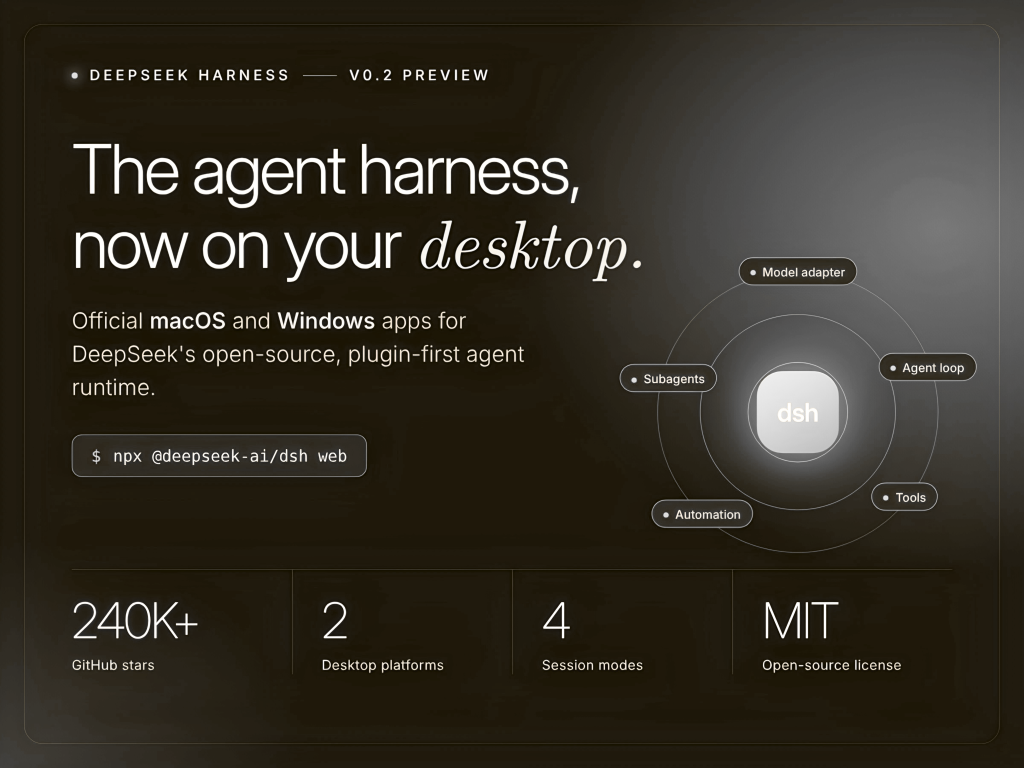
DeepSeek Harness v0.2 Brings Official Desktop Apps to Its Open-Source Agent Harness
DeepSeek has released an official desktop app for DeepSeek Harness (dsh), its open-source agent harness. The app ships with the v0.2 preview. Installers cover macOS (Apple silicon) and Windows (64-bit). Is it deployable? Yes, today, as a preview. Download it from deepseek.com/harness or run npx @deepseek-ai/dsh web. DeepSeek warns that compatibility-breaking changes will follow. What Shipped in v0.2 A harness is the runtime that turns a model into an agent. It reads files, runs command
The Agent Said It Was Done. The Database Disagreed.
When AI systems claim task completion without verification, downstream errors can cascade through dependent processes, exposing gaps in reliability for critical workflows.