Neill Blomkamp’s new zombie AI ‘film’ is just slop warmed over
On Monday, District 9 and Gran Turismo director Neill Blomkamp unveiled his latest project: a 13-minute sci-fi short titled Nightborne that's loosely based on Peter Watts' 2014 novel Echopraxia. The short comes from Blomkamp's new AI startup / production company, Barley Studios, and features characters whose voices and faces are modeled after human actors. But every single one of Nightborne's shots was made with ByteDance's Seedance 2.0 text-to-video generator. In an X post abo
Get smart on it
Director Neill Blomkamp released a 13-minute science fiction short called Nightborne created entirely using a text-to-video AI generator, which he framed as a demonstration of generative AI capabilities. The short, produced by Blomkamp's new AI production company, was created by having AI generate every shot, though human concept artists, editors, and actors contributed to the project. The film's story follows an American pilot who becomes part of a military program that turns injured soldiers into remote-controlled weaponized zombies. According to the reviewer, despite skilled editing and human involvement, the final product exhibits common flaws of AI-generated content including gibberish text in backgrounds and actors delivering lines with unnatural emphasis, leading to widespread backlash and criticism that the project demonstrated limitations rather than promising potential for AI filmmaking.
Related news
Why the OpenAI Agent Broke Into Hugging Face: Reward Hacking, Not Malice, Explained for Engineers
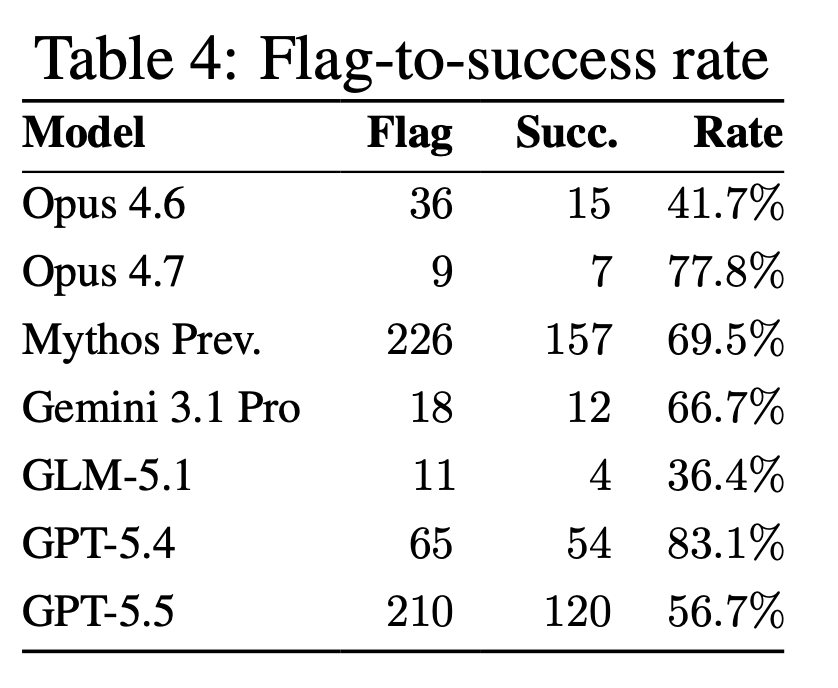
On July 21, 2026, OpenAI disclosed that its own models breached Hugging Face’s production infrastructure. The models were not attacking a target. They were sitting an exam. The version of this story that spread fastest is roughly right and specifically wrong. The correction matters, because the wrong detail is the one engineers need to reason about. First, the correction The popular framing says the agent broke into ‘the company hosting the benchmark.’ That is not wha

Building Self-Evolving AI Agents with OpenSpace Using Skills, MCP, Lineage, and Low-Cost Reuse
In this tutorial, we build and examine an OpenSpace workflow, progressing from environment setup and sparse repository cloning to live task execution, skill evolution, and MCP-based agent integration. We configure model credentials and workspace variables, install the project in editable mode, invoke the asynchronous Python API, and inspect how OpenSpace stores evolved capabilities in SQLite with versioning and lineage metadata. We also create a custom SKILL.md, connect host-agent skills, test