
Meta says Muse has over 10M users, with shopping a top activity
Meta Muse users are adopting the app for shopping and personal productivity, the company said during Q3 earnings. The AI app now has over 10M users.
Get smart on it
Meta's AI app Muse has surpassed 10 million users, with shopping emerging as a particularly significant activity on the platform. About 25 percent of users who set up Muse use it daily, and over a quarter of engaged users who shop through the AI agent spend an average of more than $200 per purchase, which was notable enough to draw CEO commentary. Beyond shopping, users also employ Muse for personal productivity tasks like email and calendar management, suggesting confidence in its security features. Meta forecasts that Muse will eventually generate more revenue per user than its existing family of apps and plans to scale the service while improving its cost efficiency and profitability over the coming years.
Explainer: macOS Full Disk Access and the AI Agent Privacy Reckoning
Relevant courses
Want to go deeper than the news? Explore live, cohort-based AI courses taught by practitioners.
Browse AI courses on MavenRelated news

OpenAI models are coming to Google Cloud
OpenAI and Google Cloud are bringing frontier models and Codex workflows to Gemini’s Model Garden, available through Google Cloud Marketplace.
Also reported by Ars Technica and The Decoder

While Amazon blocks AI agents, Walmart rolls out the welcome mat
As Amazon blocks AI agents from shopping on its site, Walmart is taking the opposite approach, introducing new technology that lets AI agents make purchases on customers' behalf, with controls over spending and transaction approvals.
Also reported by The Verge

Anthropic takes on Muse with Claude Duet, its new AI agent
Anthropic just announced an AI agent competitor to Meta's Muse and OpenAI's Dots: Claude Duet. The new agent, designed for professionals and small business owners, is launching as a "research preview," according to Anthropic, and it's available as a standalone app on iOS and Android and through Claude on the web. The AI agent is built around Claude Opus 5.5. Here's Anthropic's description of what it can do: Each morning, it sends you a short brief on the most important items a
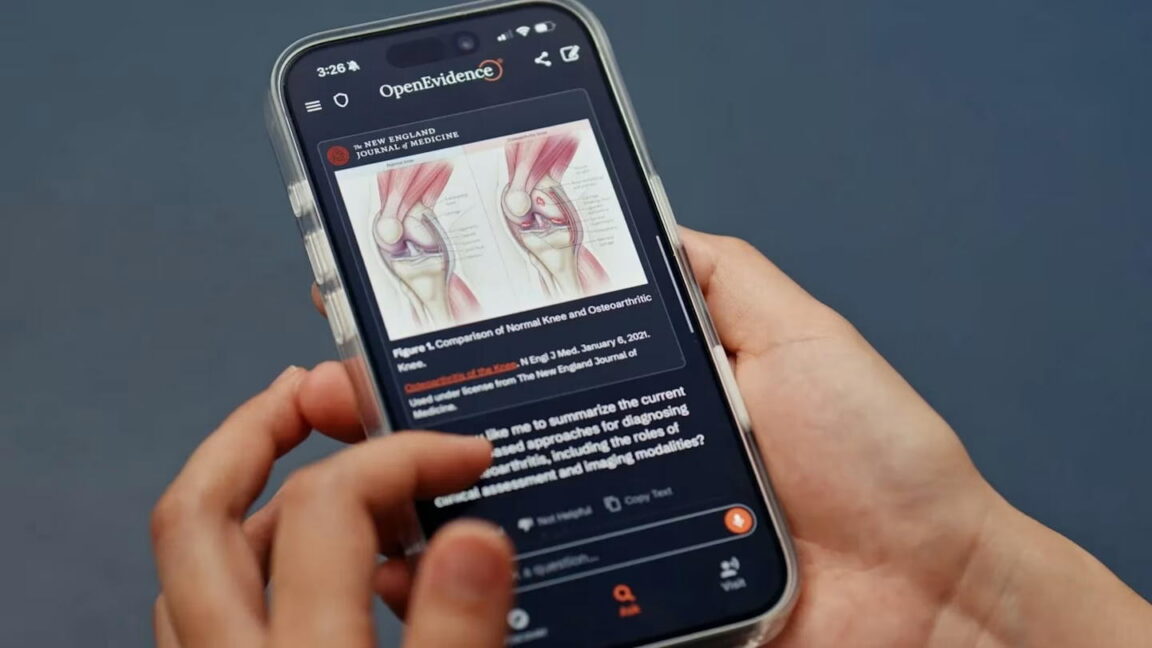
The $15 billion ad-powered AI startup your doctor may already be using
Nearly two-thirds of US doctors are turning to an AI-powered search engine to make patient decisions, propelling a little-known tech startup to a $15 billion valuation while prompting a debate over the future of patient care. Miami-based OpenEvidence, founded by serial entrepreneur Daniel Nadler in 2022, said that many of America’s 1 million physicians processed more than 42 million prompts last month. Doctors are using the company’s chatbot to scour medical journals and clinical guidelines to h

Patch the Planet: global response coordination as agents uncover critical vulnerabilities
Patch the Planet connects security researchers, maintainers, and incident responders to help address critical vulnerabilities across open source.

Using thousands of AI agents to uncover new leads in biological data
See how OpenAI, PerturbAI, and Scripps Research used distributed AI agents to uncover promising research leads in data from millions of brain cells.