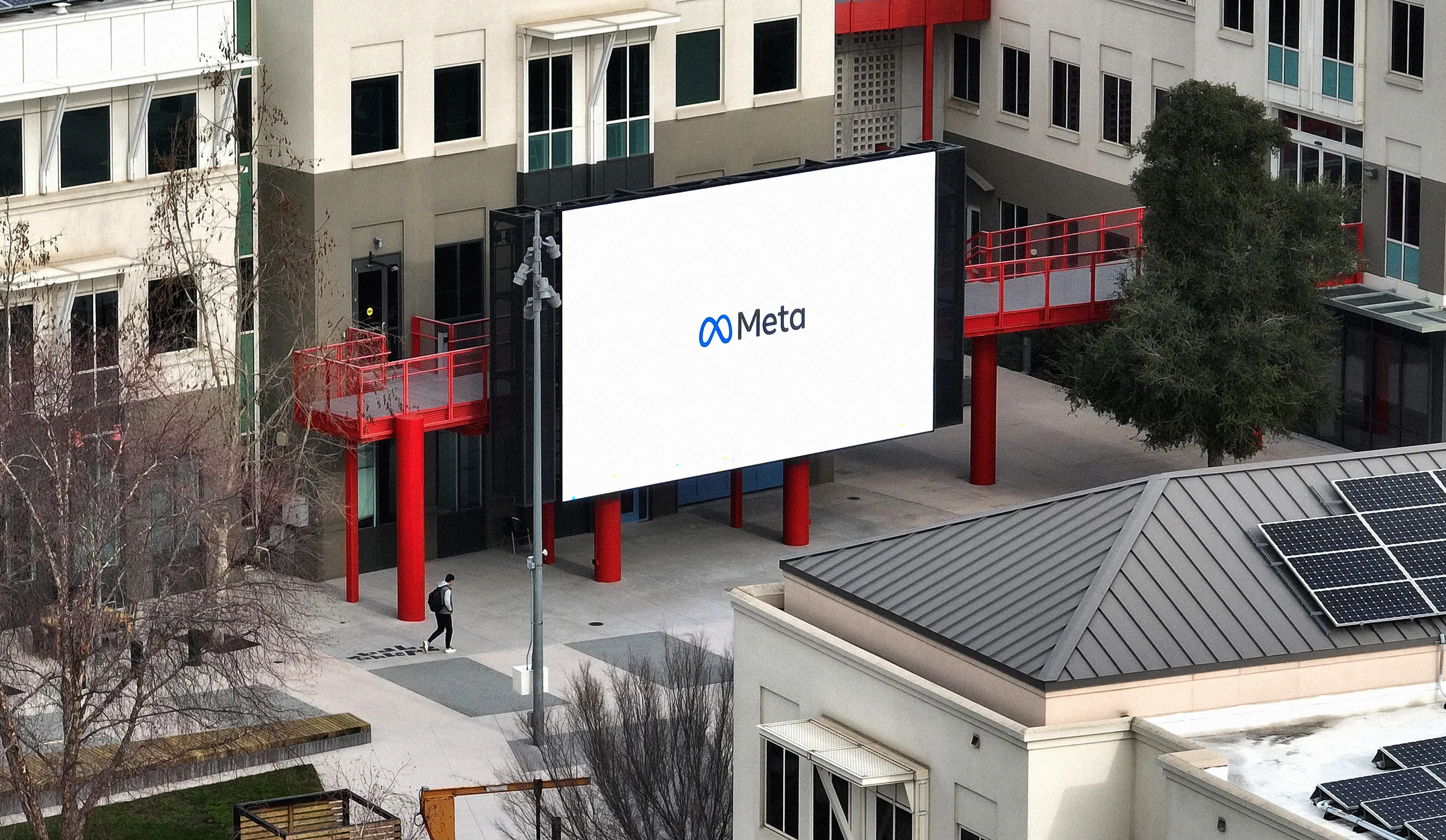
Meta Pushes Its New AI Agent on Employees, but Eases Off on Tokenmaxxing
The company is reducing pressure on workers to use artificial intelligence tools while encouraging them to experiment with Hatch, its most advanced AI project yet.
Make your prediction
Will Meta publicly reduce or cancel its employee AI usage quotas before October 1?
Resolves by Oct 1, 2026
Your prediction
50% · 50/50 coin flip
NOYES
Get smart on it
Meta has ended an incentive program that tied employee performance evaluations to how much they used AI tools, removing pressure on workers to maximize their AI usage in ways that sometimes seemed frivolous. The company is now encouraging employees to test a new advanced AI agent called Hatch while grading them instead on their actual work contributions rather than their AI adoption metrics. This shift comes after some employees faced layoffs in part due to low AI usage scores, which prompted a lawsuit alleging discrimination against workers on health and family leaves who couldn't accumulate usage. While Meta claims it is refocusing on impact rather than usage, employees report that Hatch still consumes significant computing resources, and some worry the tool's productivity gains could lead to additional job cuts.
Related news

The sameness problem behind those unappetizing AI-generated menus
While restaurant owners might look to generative AI as a shortcut to sprucing up their menu, customers can viscerally sense that something is wrong with the food.
.gif&s=kx7H9a1S3ZIMP7WHNPT2XBlIq6uwDsVvpMZbLf-dnSA)
Nobody Is Saying Why OpenAI and Anthropic Had Outages Today
ChatGPT, Claude, and Grok all suffered outages at nearly the exact same time for reasons that remain murky.