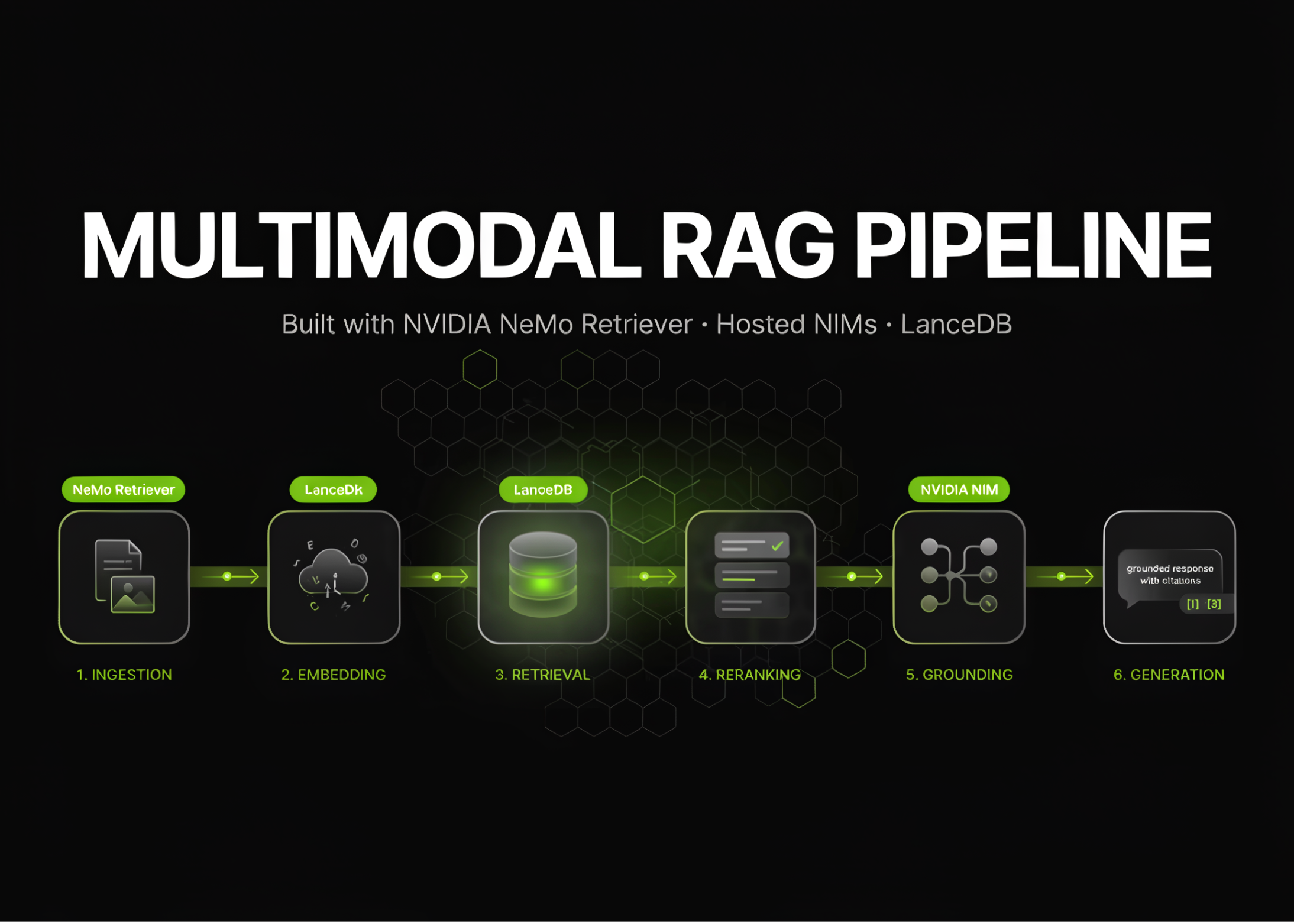
Meet Shepherd: An Open-Source Python Substrate That Lets Meta-Agents Fork, Replay, and Revert Any Agent Run
Long-running agents accumulate state that no transcript captures. A coding agent at step 10 holds edited files, a running dev server, installed packages, and a warm prompt cache. When it misreads a traceback and rewrites a file that was already correct, neither available recovery path is cheap: patching forward grows the context and the token bill, and restarting from step one re-pays every model and tool call while reproducing nothing exactly, because runs are non-deterministic. Jumping back t
Get smart on it
Shepherd is an open-source Python runtime that records agent executions as a Git-like trace of typed events, allowing users to fork, replay, and revert to any previous state during an agent run. Long-running agents accumulate state like edited files, running processes, and cached data that transcripts do not capture, making it expensive to recover from errors through either patching forward or full restarts. Shepherd addresses this by treating each agent-environment interaction as a commit that covers both the agent process and filesystem together, enabling faster recovery and higher-order agents that can supervise and intervene in other agent runs. The research team reports that Shepherd forks 5 times faster than Docker and achieves over 95 percent prompt-cache reuse on replay, with applications in software engineering, AI infrastructure, quantitative finance, security research, and data engineering.
Related news

How to Disable Gemini in Gmail and Google Docs
New AI toolbars and prompts are showing up in Google Docs and Gmail. If you don’t want Gemini’s help in writing documents and emails, here’s how to turn that stuff off.
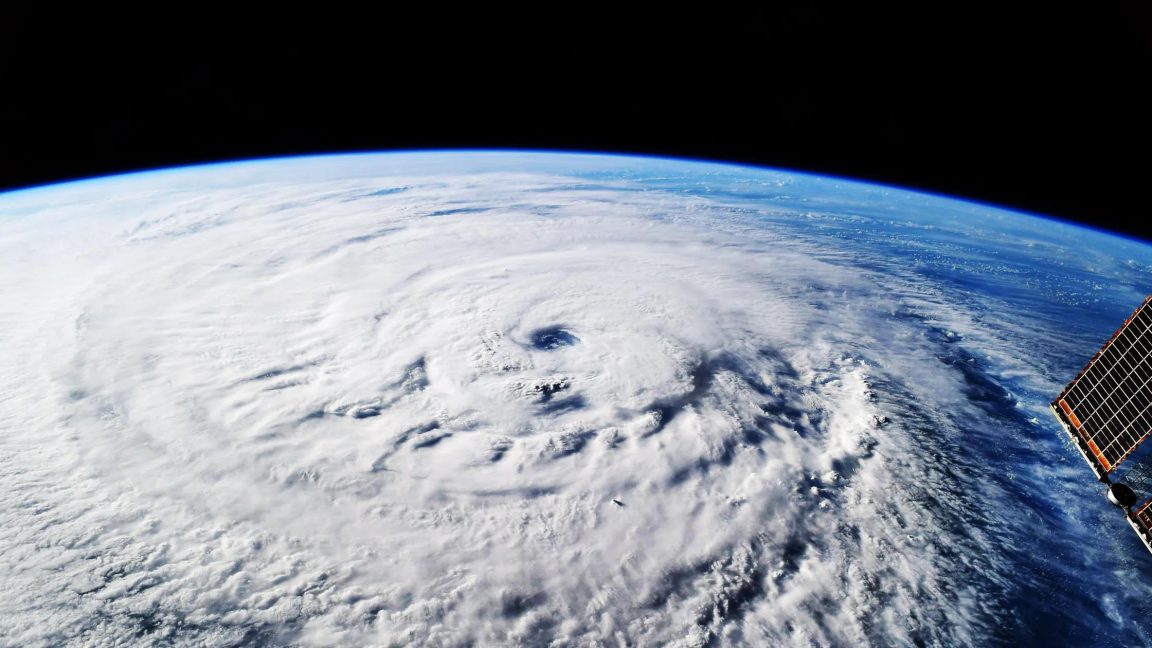
DeepMind’s hurricane breakthrough has surprised weather scientists
In October 2025, a storm brewed over the Caribbean Sea. Weather models differed on its trajectory. Would it remain weak and end up in Haiti, or would it intensify and head to Jamaica? Artificial intelligence model WeatherNext, developed by Google’s DeepMind and Google Research, went with the latter. Five days before landfall, it predicted with 80 percent confidence that the storm system would hit Jamaica as a Category 5 hurricane. Hurricane Melissa was catastrophic, causing flooding and landslid