I Built AI Clones of My Coworkers. Things Got Weird
Brian Bot loved talking about improv, while Sophie Bot wouldn’t stop calling me “big dog.” Welcome to the future of work.
Get smart on it
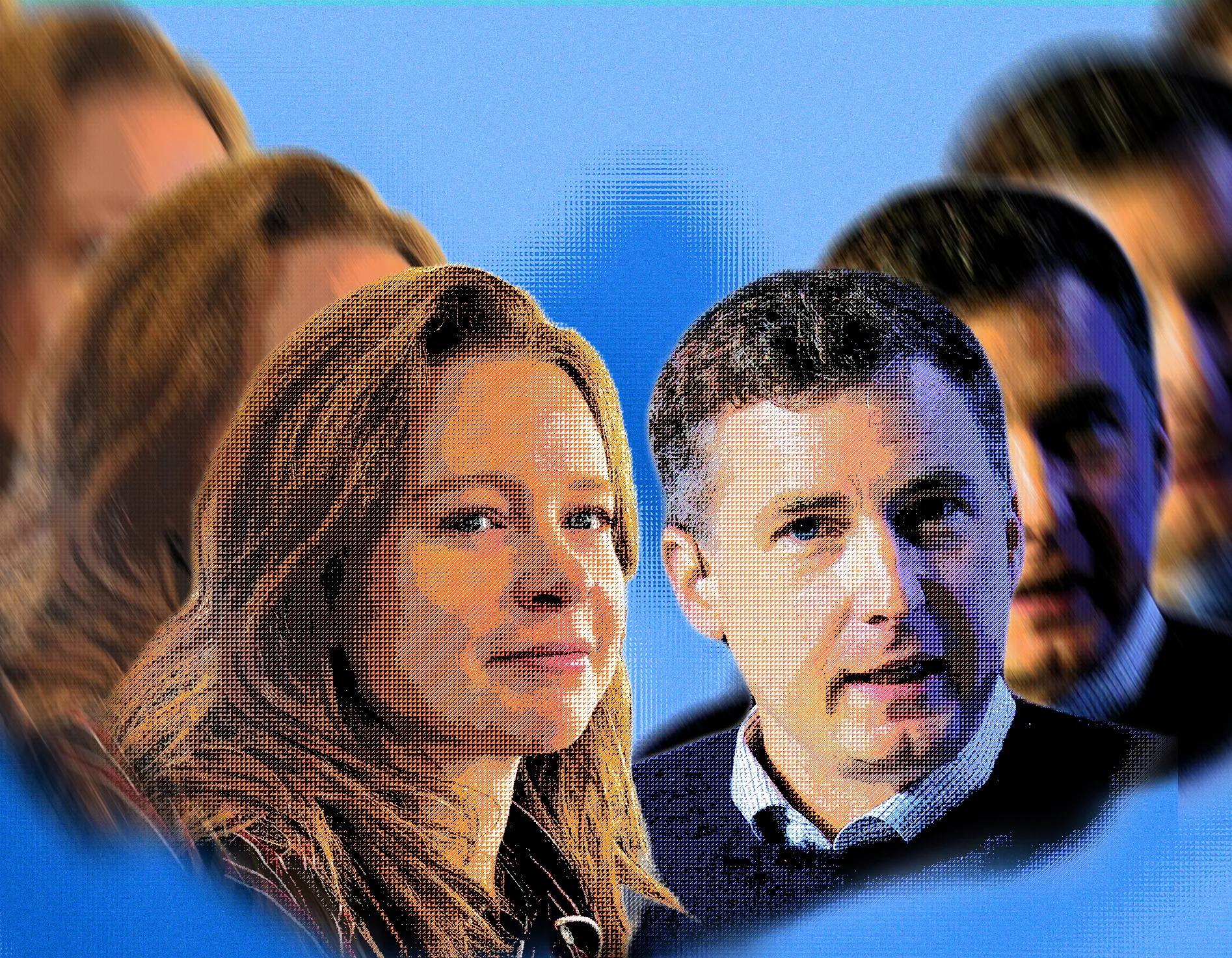
A journalist created AI clones of her editors using an AI platform by training it on their professional communications and public information, attempting to use the bots to help her become a better coworker and understand what her supervisors valued. The bots initially produced awkward and inaccurate results, though one eventually became skilled enough at mimicking her colleague's communication style to fool multiple people, including the colleague herself. This experiment reflects a broader trend of workers using AI clones of their bosses and colleagues to improve productivity and prepare for workplace interactions, raising questions about whether these tools actually make employees more effective or create other complications.
Related news

Meta is making a standalone Muse AI gadget
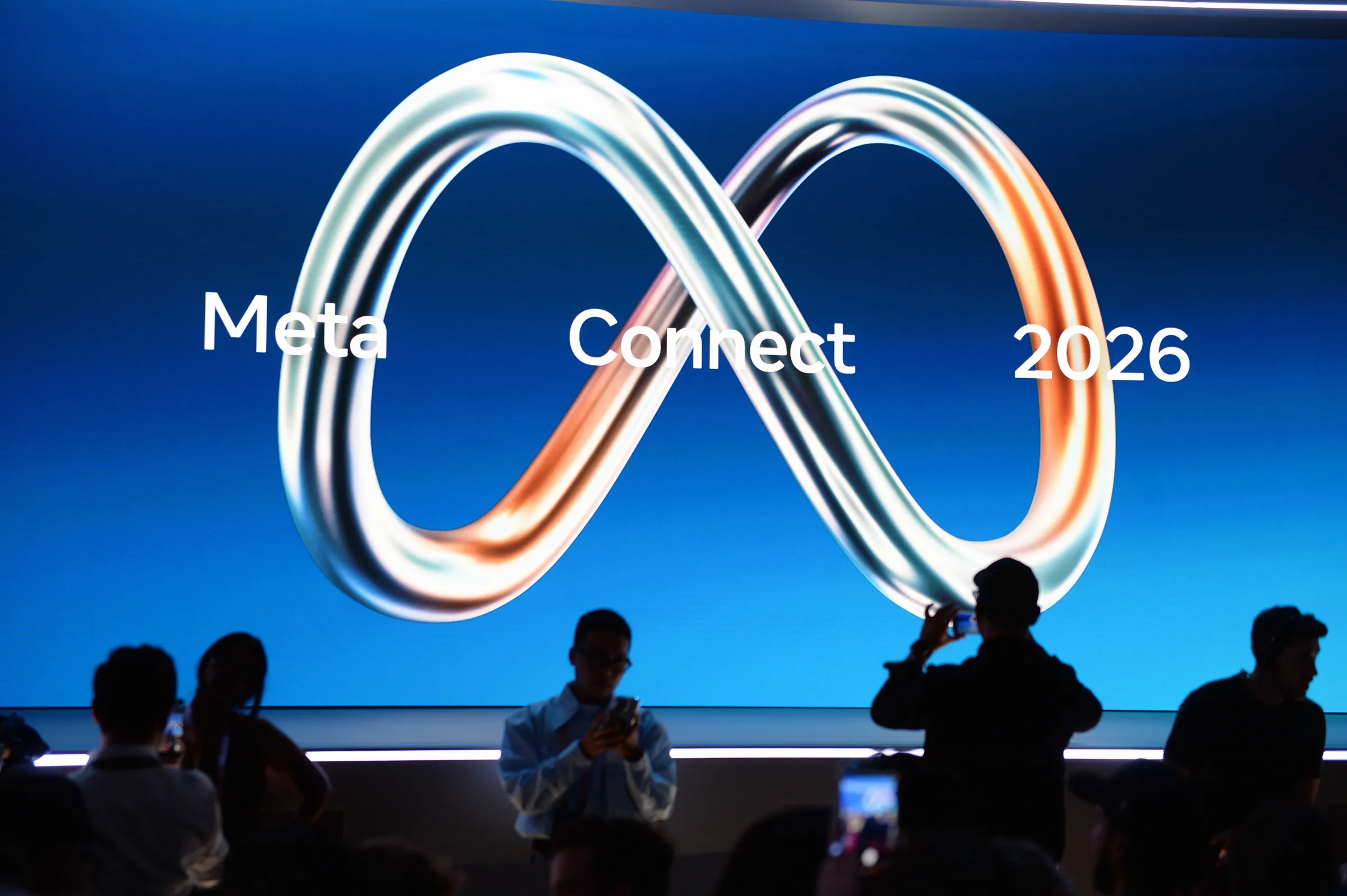
Meta is building a dedicated hardware device for its new Muse AI agent. The product, called Muse Charm, was briefly shown off by Meta CEO Mark Zuckerberg at the end of tonight's Meta Connect presentation. It looks almost like a chunky smartwatch without the strap - just a big screen, plus a little lanyard for carrying the device around. The Muse Charm has a fingerprint sensor on the top right corner that you can press to activate and begin speaking to the agent. There appears t

Everything new coming to Meta’s AI agent Muse
CEO Mark Zuckerberg kicked off the company’s annual Connect event in Menlo Park on Wednesday with a keynote that made one thing clear: Meta is going all-in on Muse. It's even coming to Meta's AI glasses.