How Codex became a collaborator for OpenAI’s creative team
How OpenAI’s creative team uses Codex to build custom creative tools, accelerate ideation, and prototype faster with context-aware AI.
Get smart on it
OpenAI's Codex tool has been adopted by the organization's creative teams as a collaborative problem-solving partner, moving beyond its typical use by engineers and developers. Rather than being limited to code, Codex can understand creative assets like sketches, storyboards, and design style guides, and it retains project context such as client information, brand guidelines, and strategic goals. The tool accelerates creative work by enabling rapid prototyping through natural language descriptions, expanding the range of campaign ideas that can be explored, and reducing the gap between initial concept and technical implementation. This demonstrates how frontier AI systems can support creative workflows across different teams and use cases.
Related news
Why the OpenAI Agent Broke Into Hugging Face: Reward Hacking, Not Malice, Explained for Engineers
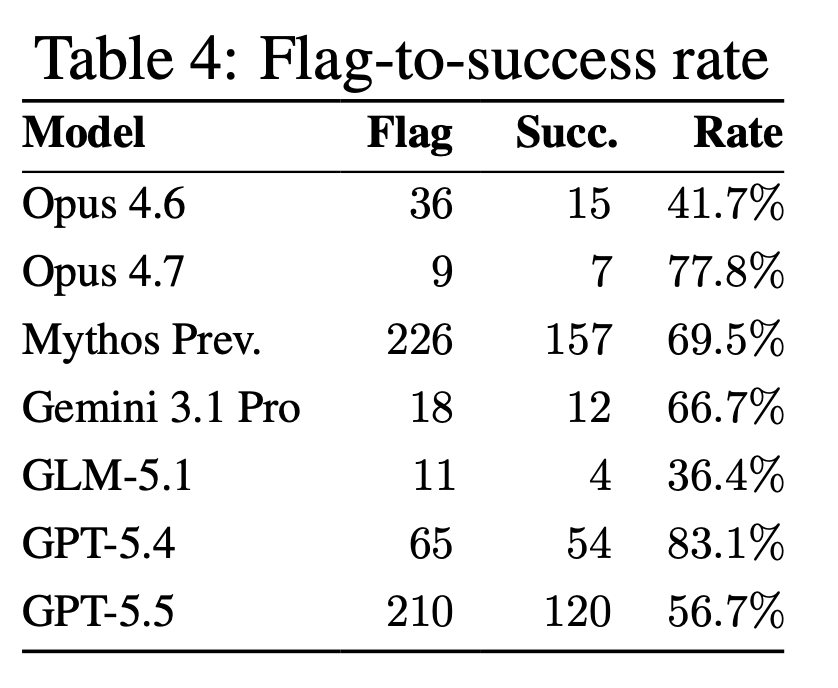
On July 21, 2026, OpenAI disclosed that its own models breached Hugging Face’s production infrastructure. The models were not attacking a target. They were sitting an exam. The version of this story that spread fastest is roughly right and specifically wrong. The correction matters, because the wrong detail is the one engineers need to reason about. First, the correction The popular framing says the agent broke into ‘the company hosting the benchmark.’ That is not wha

Building Self-Evolving AI Agents with OpenSpace Using Skills, MCP, Lineage, and Low-Cost Reuse
In this tutorial, we build and examine an OpenSpace workflow, progressing from environment setup and sparse repository cloning to live task execution, skill evolution, and MCP-based agent integration. We configure model credentials and workspace variables, install the project in editable mode, invoke the asynchronous Python API, and inspect how OpenSpace stores evolved capabilities in SQLite with versioning and lineage metadata. We also create a custom SKILL.md, connect host-agent skills, test