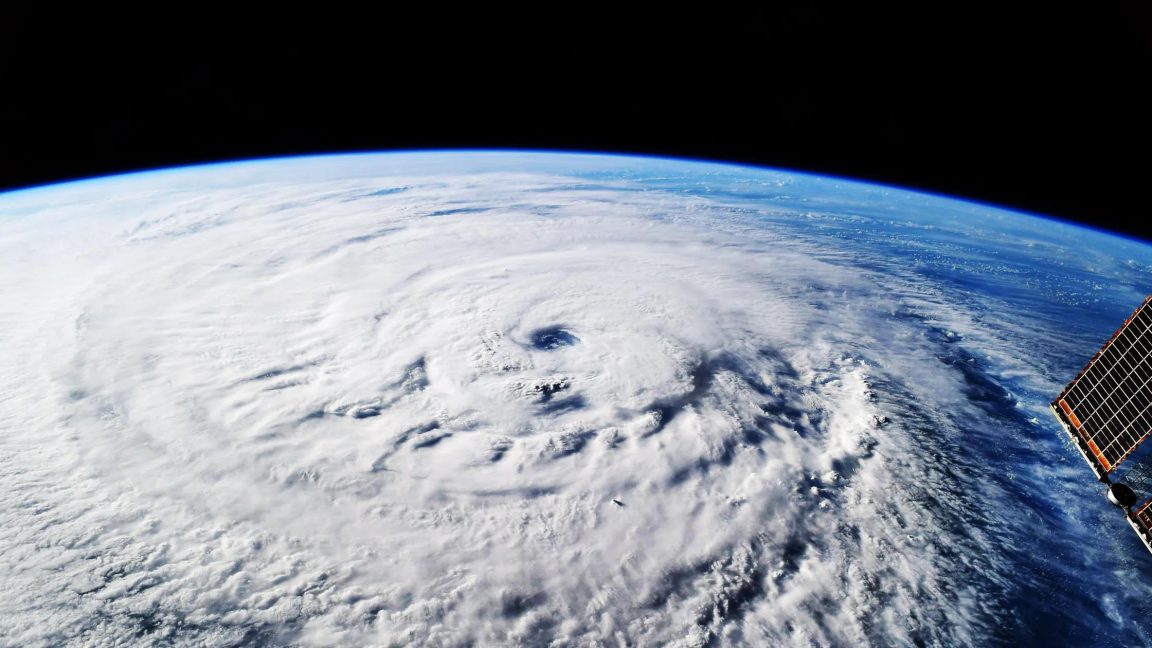
Here’s the problem with putting an AI image generator in Google Earth
Now a text prompt is all it takes to generate reality-warping images using Google Earth's satellite, aerial, and 3D imagery, like these images generated by Digital Digging's Henk van Ess that show "refugees near the Mexican border" and a bomb crater near a hospital in Gaza. Google responded to Digital Digging's AI-altered images, saying, "We take misinformation seriously - every image created with Nano Banana in Google Earth includes the SynthID digital watermark, so if someon
Make your prediction
Will Google publicly expand or restrict the Nano Banana AI image feature in Google Earth by September 1, 2026?
Resolves by Sep 1, 2026
Your prediction
50% · 50/50 coin flip
NOYES
Get smart on it
Google has launched an AI image generator feature in Google Earth that creates realistic flyover images from text prompts using the platform's satellite, aerial, and 3D imagery. A researcher demonstrated the tool's misuse potential by generating false images depicting refugees at borders and bomb craters near hospitals. Google added a digital watermark to all AI-generated images and recommends users verify suspicious images through its Gemini app or by comparing them to other satellite platforms, though the watermark is not impossible to bypass. The concern is that while some generated images are obviously fake, others could be believable enough to spread misinformation despite these safeguards.
Related news
Meet Shepherd: An Open-Source Python Substrate That Lets Meta-Agents Fork, Replay, and Revert Any Agent Run
Long-running agents accumulate state that no transcript captures. A coding agent at step 10 holds edited files, a running dev server, installed packages, and a warm prompt cache. When it misreads a traceback and rewrites a file that was already correct, neither available recovery path is cheap: patching forward grows the context and the token bill, and restarting from step one re-pays every model and tool call while reproducing nothing exactly, because runs are non-deterministic. Jumping back t

How to Disable Gemini in Gmail and Google Docs
New AI toolbars and prompts are showing up in Google Docs and Gmail. If you don’t want Gemini’s help in writing documents and emails, here’s how to turn that stuff off.