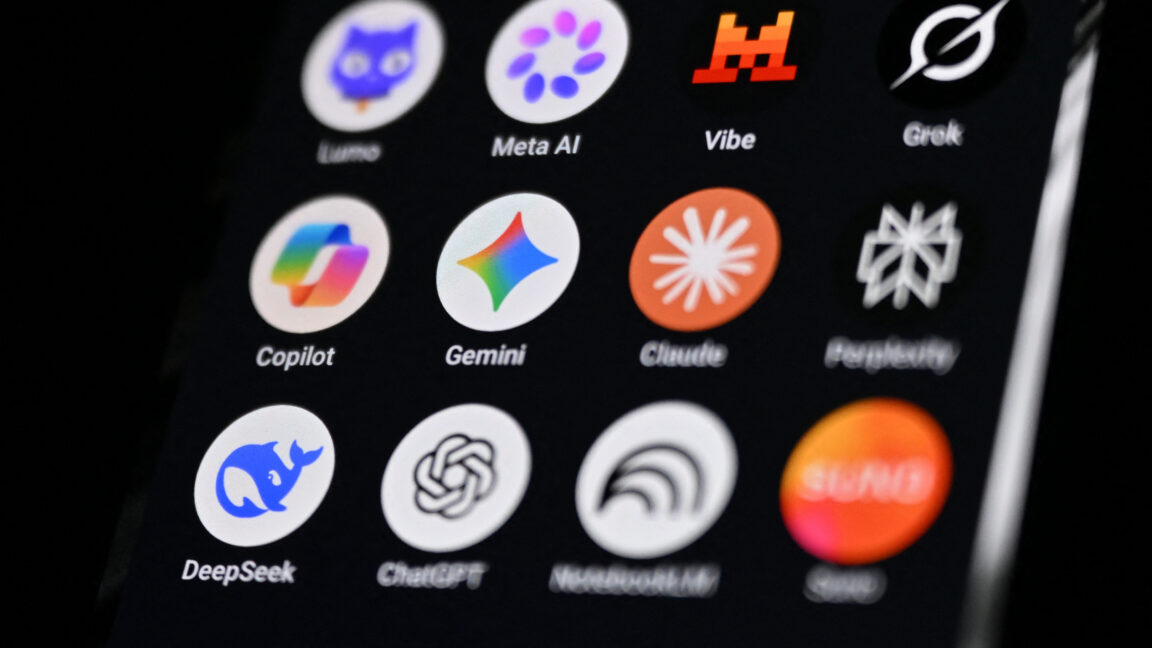
Google will now allow users to remove visible watermark from its AI generations
Turning off this setting won't affect invisible benchmarks used to identify an AI generated file.
Make your prediction
Will Google remove the visible watermark option from AI-generated images by August 22, 2026?
Resolves by Aug 22, 2026
Your prediction
50% · 50/50 coin flip
NOYES
Get smart on it
Google announced it will allow users to remove visible watermarks from AI-generated images, videos, and songs, while keeping invisible watermarks and metadata in place for transparency purposes. The visible watermark toggle will be available in multiple AI models and tools, with the setting accessible through Settings and Media Watermark options. This change balances creative control with safety, as visible watermarks can make content less useful for professional and creative work, though invisible identification methods remain to help users determine if content was AI-generated. The decision reflects a broader debate about how to label AI-generated media, following similar moves by other AI companies to add watermarks for compliance and identification purposes.
Related news

How Protolabs turns CAD files into parts in under 24 hours
The Robot Report Podcast · How Protolabs turns CAD files into parts in under 24 hours Marc Kermisch, Chief Technology and AI Officer at Protolabs. Marc Kermisch is the chief technology and AI officer at Protolabs. He leads the Maple Plain, Minn.-based company‘s global technology organization, overseeing its software product development, digital manufacturing platform evolution, and enterprise-wide artificial intelligence and research & development strategies. Kermisch also focuses on

You can now turn off Google Gemini’s visible watermarks
Google will now allow you to remove visible watermarks from the images, videos, and music made with AI tools. With the update, you can toggle off a new "Media watermark" setting in Gemini and Google's AI video generator, Flow. When toggled off, Google will remove the "sparkle" watermark that appears in the bottom-right corner of content generated with the company's Nano Banana and Omni models. Though visible watermarks are now optional, AI-generated content will have invisible