Google’s $899 Googlebook is a bet that you’ll buy a new laptop for Gemini
Google’s AI-native Googlebook ties Gemini to the cursor, dictation, widgets and other parts of the desktop experience.
Get smart on it
Google has released a new laptop called the Googlebook, priced at $899, that runs Android OS with Chrome browser elements and prominently features Google's Gemini AI integrated into the hardware itself. The device includes AI-powered features such as a cursor that connects to Gemini, a tool called Rambler that converts rambling speech into readable text, and vibe-coded widgets. Google is positioning this as a bet that built-in AI capabilities will convince consumers to purchase new hardware rather than accessing AI through apps or browsers, and the company appears to be targeting the school market, where approximately 50 million Chromebooks are currently in use, potentially transitioning those users to Gemini AI through future Googlebook experiences.
Related news

Meta is making a standalone Muse AI gadget
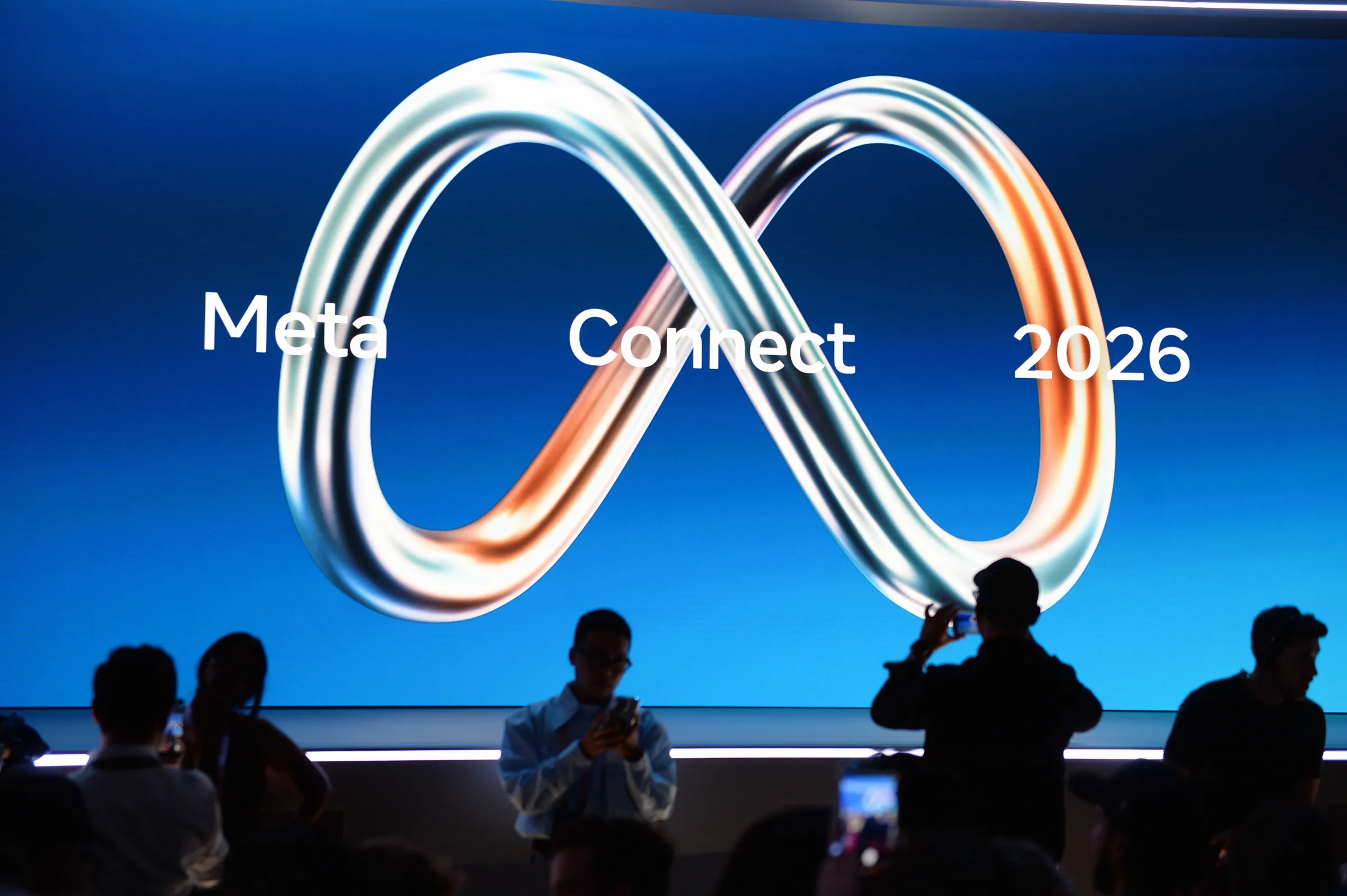
Meta is building a dedicated hardware device for its new Muse AI agent. The product, called Muse Charm, was briefly shown off by Meta CEO Mark Zuckerberg at the end of tonight's Meta Connect presentation. It looks almost like a chunky smartwatch without the strap - just a big screen, plus a little lanyard for carrying the device around. The Muse Charm has a fingerprint sensor on the top right corner that you can press to activate and begin speaking to the agent. There appears t

Everything new coming to Meta’s AI agent Muse
CEO Mark Zuckerberg kicked off the company’s annual Connect event in Menlo Park on Wednesday with a keynote that made one thing clear: Meta is going all-in on Muse. It's even coming to Meta's AI glasses.