Get smart on it
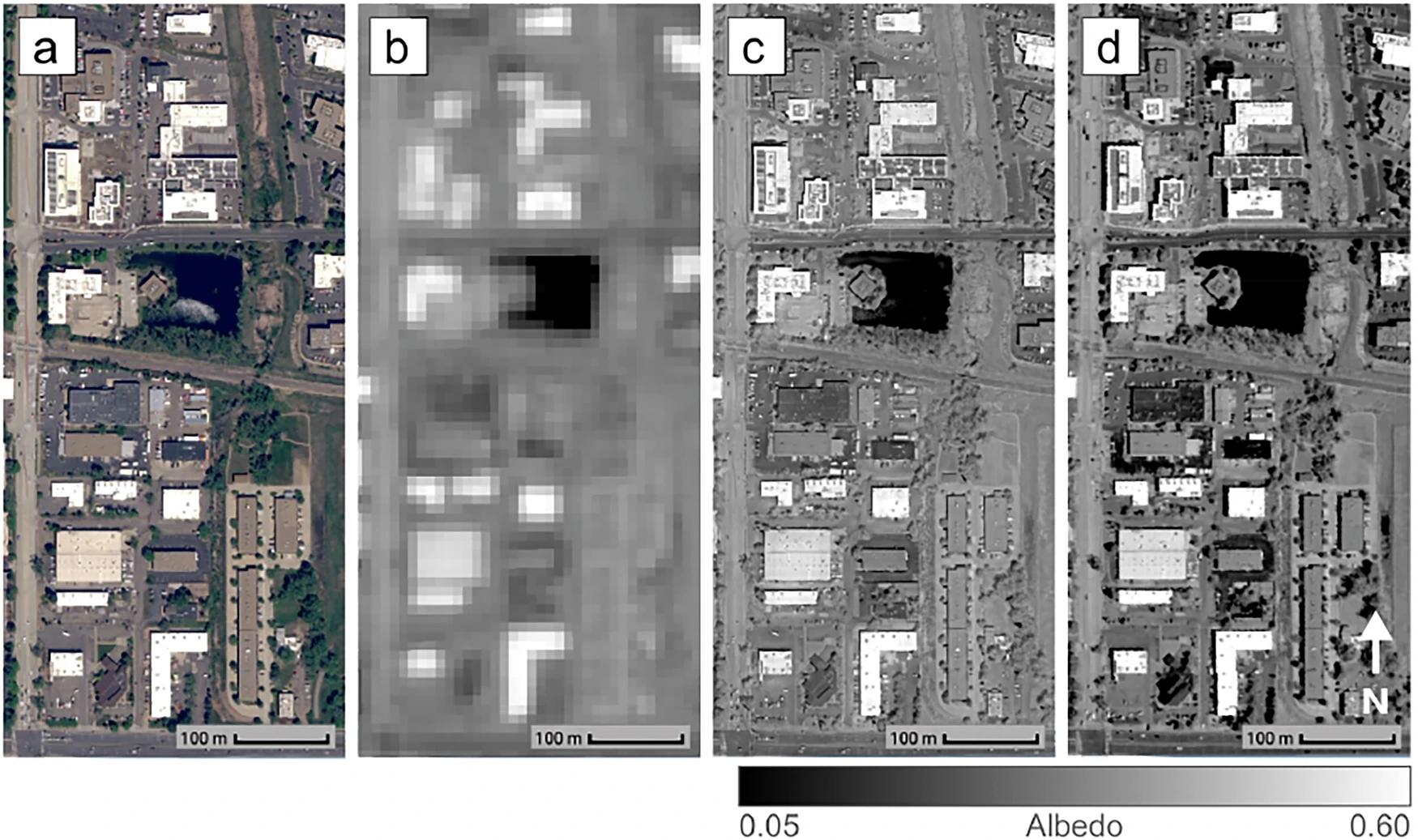
Google Research is releasing an expanded dataset that measures rooftop reflectivity across more than 50 global cities to help urban planners implement cool-roof solutions. Approximately 500,000 deaths every year are attributed to extreme heat, a problem made worse by the urban heat island effect, which causes cities to warm at double the worldwide average rate due to heat-trapping materials like dark roofs and pavements. The new dataset, created by combining satellite data with high-resolution imagery and machine learning models, provides building-level insights rather than neighborhood averages, enabling cities to identify where cool roofs would reduce temperatures most effectively. Research indicates that targeted cool-roof planning using this data could mitigate extreme urban heat by up to 0.5 degrees Celsius globally.
Related news

Anthropic wants to develop its own drugs
At the event "The Briefing: AI for Science" earlier this week, Anthropic announced Claude Science, a new "AI workbench for scientists" that pulls fragmented tools and datasets into one environment, and generates figures and visuals. Anthropic, already dominating the industry with its popular coding tools and powerful AI models, framed the launch around what it says is AI's potential to "dramatically accelerate the pace of scientific discovery and the development of healthcare i

A behind-the-scenes look at Midjourney’s medical scanner leaves many questions unanswered
A scan of an imaging phantom, segmented to validate how cleanly structures separate under controlled conditions. | Image: Midjourney Medical Midjourney has shown more of its futuristic medical scanner. It still hasn't shown much proof it works. The AI startup, best known for generating images, released a behind-the-scenes video of its dunk-tank ultrasound scanner, which it plans to deploy in spas and hopes will transform medicine with cheap, detailed, radiation-free imaging. Th