DeepMind’s hurricane breakthrough has surprised weather scientists
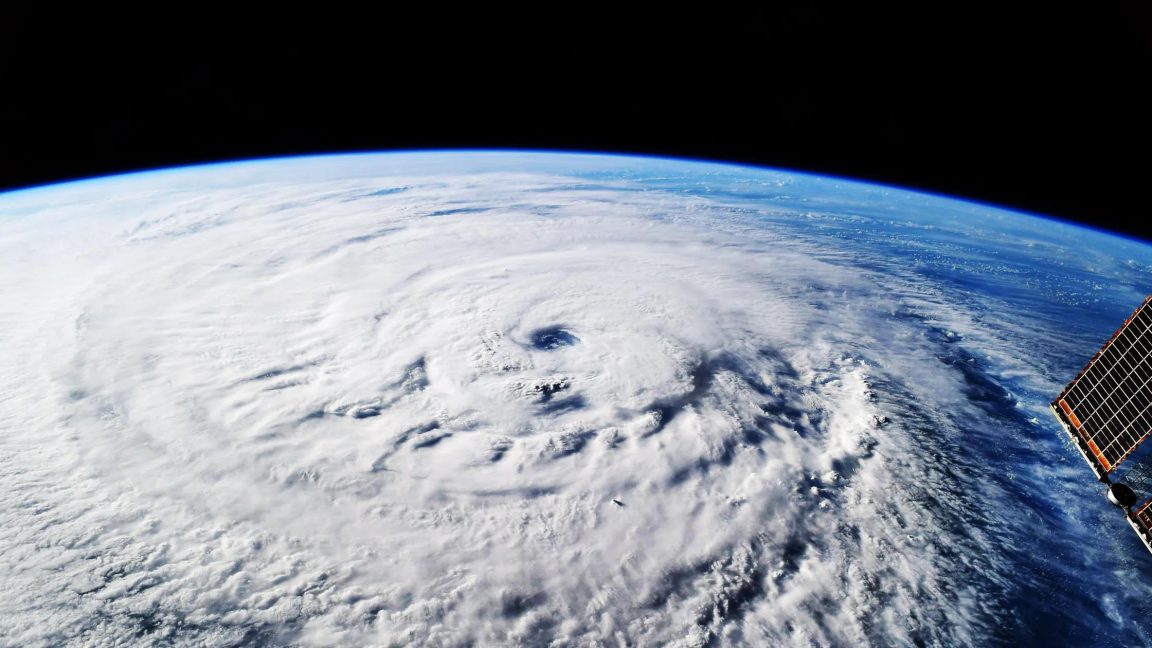
In October 2025, a storm brewed over the Caribbean Sea. Weather models differed on its trajectory. Would it remain weak and end up in Haiti, or would it intensify and head to Jamaica? Artificial intelligence model WeatherNext, developed by Google’s DeepMind and Google Research, went with the latter. Five days before landfall, it predicted with 80 percent confidence that the storm system would hit Jamaica as a Category 5 hurricane. Hurricane Melissa was catastrophic, causing flooding and landslid
Get smart on it
An artificial intelligence model developed by Google's DeepMind and Google Research can predict hurricanes with greater accuracy than existing weather models, particularly by forecasting both a storm's track and its intensity. The model provides forecasters with approximately one additional day of lead time compared to traditional models, meaning predictions made three days in advance are as accurate as previous models' two-day forecasts. This extra time allows communities to organize evacuations, stage supplies, and prepare resources more effectively before a hurricane arrives. The researchers have open-sourced the model for the research community to use and improve, though experts emphasize that human forecasters remain essential for translating storm forecasts into impact assessments.
Related news
Meet Shepherd: An Open-Source Python Substrate That Lets Meta-Agents Fork, Replay, and Revert Any Agent Run
Long-running agents accumulate state that no transcript captures. A coding agent at step 10 holds edited files, a running dev server, installed packages, and a warm prompt cache. When it misreads a traceback and rewrites a file that was already correct, neither available recovery path is cheap: patching forward grows the context and the token bill, and restarting from step one re-pays every model and tool call while reproducing nothing exactly, because runs are non-deterministic. Jumping back t

How to Disable Gemini in Gmail and Google Docs
New AI toolbars and prompts are showing up in Google Docs and Gmail. If you don’t want Gemini’s help in writing documents and emails, here’s how to turn that stuff off.