Cloudflare open-sources vibe-coding platform for people who aren't coders
Cloudflare has open-sourced its Cloudflare OS platform, which it first developed as an internal workspace for employees to build apps using AI agents—including people who are not software developers or engineers. The company also touts a security framework designed to reduce the risk of employee vibe-coding sessions creating serious security flaws or leading to data breaches. The tech company spent several months building and internally testing Cloudflare OS, which allows employees to describe w
Get smart on it
A tech company has released an open-source platform that lets non-programmers build applications by describing what they want in plain language, with an AI agent handling the actual coding. The platform matters because it includes security safeguards, such as sandboxing and permission controls, designed to prevent the AI from creating serious security flaws or causing data breaches when non-technical employees use it. The company spent months testing the platform internally with thousands of employees before making it publicly available, and it learned important lessons about tailoring AI coding tools for different types of work rather than giving everyone the same engineering-focused interface. The platform is now open source, though running its backend requires a paid subscription plan.
Relevant courses
Want to go deeper than the news? Explore live, cohort-based AI courses taught by practitioners.
Browse AI courses on MavenRelated news

OpenAI models are coming to Google Cloud
OpenAI and Google Cloud are bringing frontier models and Codex workflows to Gemini’s Model Garden, available through Google Cloud Marketplace.
Also reported by Ars Technica, The Decoder and SiliconANGLE

While Amazon blocks AI agents, Walmart rolls out the welcome mat
As Amazon blocks AI agents from shopping on its site, Walmart is taking the opposite approach, introducing new technology that lets AI agents make purchases on customers' behalf, with controls over spending and transaction approvals.
Also reported by The Verge

Meta says Muse has over 10M users, with shopping a top activity
Meta Muse users are adopting the app for shopping and personal productivity, the company said during Q3 earnings. The AI app now has over 10M users.

Anthropic takes on Muse with Claude Duet, its new AI agent
Anthropic just announced an AI agent competitor to Meta's Muse and OpenAI's Dots: Claude Duet. The new agent, designed for professionals and small business owners, is launching as a "research preview," according to Anthropic, and it's available as a standalone app on iOS and Android and through Claude on the web. The AI agent is built around Claude Opus 5.5. Here's Anthropic's description of what it can do: Each morning, it sends you a short brief on the most important items a
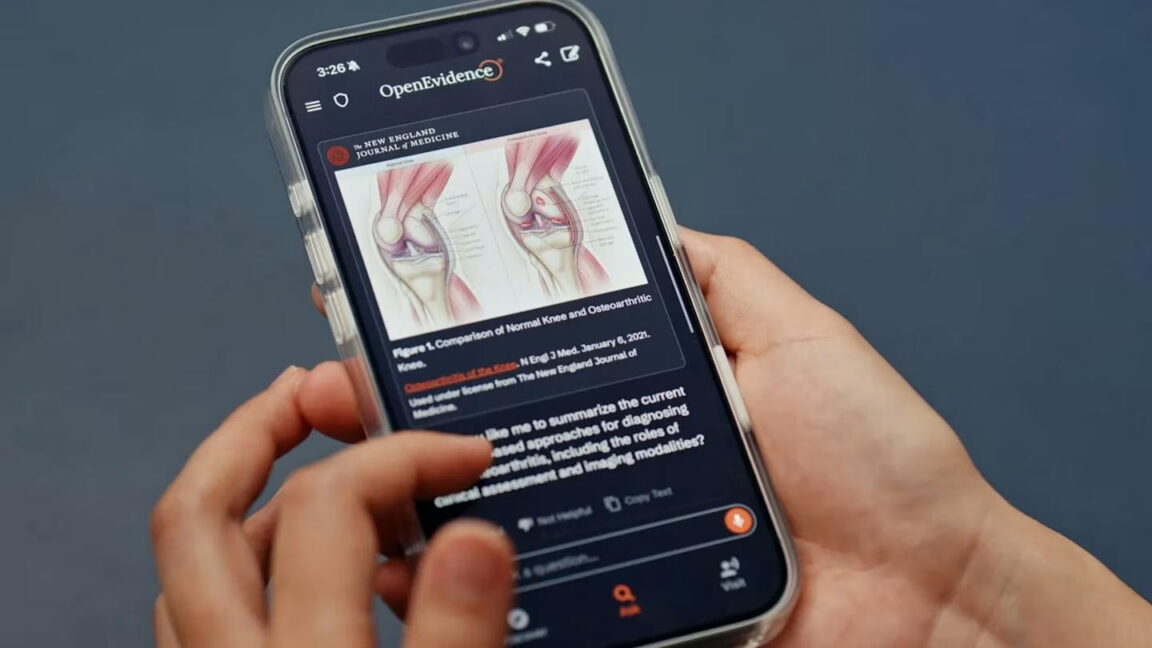
The $15 billion ad-powered AI startup your doctor may already be using
Nearly two-thirds of US doctors are turning to an AI-powered search engine to make patient decisions, propelling a little-known tech startup to a $15 billion valuation while prompting a debate over the future of patient care. Miami-based OpenEvidence, founded by serial entrepreneur Daniel Nadler in 2022, said that many of America’s 1 million physicians processed more than 42 million prompts last month. Doctors are using the company’s chatbot to scour medical journals and clinical guidelines to h

Patch the Planet: global response coordination as agents uncover critical vulnerabilities
Patch the Planet connects security researchers, maintainers, and incident responders to help address critical vulnerabilities across open source.