Cisco Preps For A World Of AI Agent Coworkers, Frontier Model Threats
Get smart on it
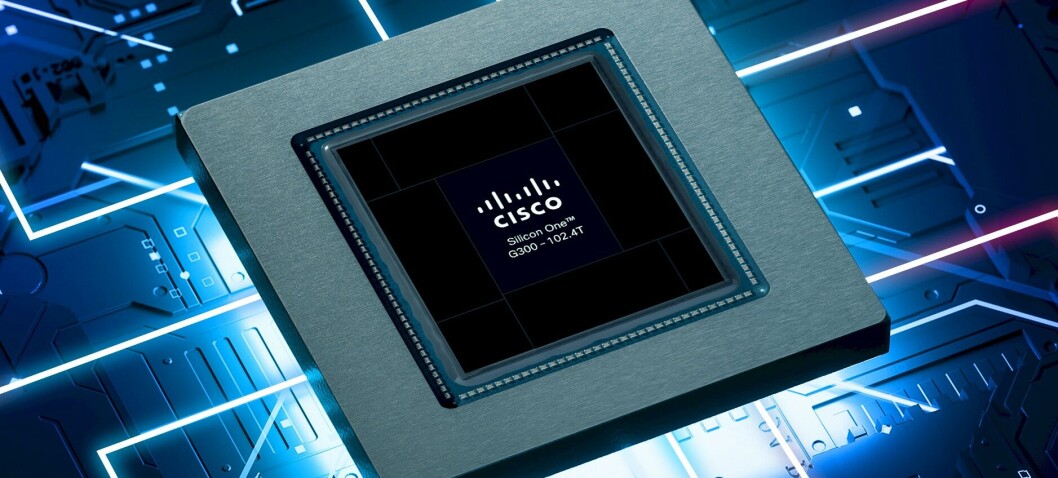
Cisco is preparing its infrastructure and software capabilities for enterprises to deploy AI agents as autonomous workplace tools that work alongside humans. The company is addressing two major challenges this creates: AI agents generate significantly more network traffic than traditional tools, and frontier AI models can rapidly discover and generate exploits for software vulnerabilities faster than organizations can patch them. Cisco's response includes a platform called Cloud Control with AgenticOps for managing human-agent collaboration, and a security tool called Live Protect designed to shield systems from newly discovered flaws between patching cycles. The shift from chatbots to autonomous agents integrated into business operations represents a fundamental change in how IT infrastructure and security must be designed and operated.
Related news

OpenClaw Releases iOS and Android Companion Node Apps That Connect a Phone to a Self-Hosted AI Agent Gateway
OpenClaw just released native companion apps for iOS and Android. The iOS app is listed as ‘OpenClaw – AI that does things.’ Both apps are free to download. They are not standalone chatbots. Each phone becomes a node in a self-hosted agent network. The assistant itself runs on a separate Gateway. That separation is the whole design. TL;DR OpenClaw’s iOS and Android apps are companion nodes, not standalone assistants. The Gateway runs the agent; phones add came

PyGraphistry Implementation Workflow for Interactive Graph Intelligence Pipelines in Security Analytics and Risk Investigation
In this tutorial, we build an advanced, Colab-ready workflow around PyGraphistry for interactive graph analytics and visualization. We start by creating a realistic enterprise-style access dataset, transforming it into nodes and edges, and enriching the graph with risk scores, anomaly indicators, centrality metrics, community detection, and layout embeddings. We then use PyGraphistry to bind graph structure, visual encodings, labels, tooltips, and filtered subgraphs, and to generate local inter