AstroForge is putting AI in command of its next spacecraft
Autonomy-1 will have a small, transformer-based AI model taking charge of a space probe.
Get smart on it
An asteroid-mining startup is developing AI software called "Solo" to autonomously control its spacecraft, reducing the need for teams of ground-based flight controllers. Most spacecraft rely on traditional control algorithms and teams communicating from Earth, but this approach requires expensive infrastructure that startups cannot afford, prompting the company to use a transformer-based neural network trained on thousands of spacecraft sensors instead. The company plans to test this autonomous system on upcoming missions, including one backed by NASA expected to launch in the coming years. This represents a shift from current spacecraft operations, as neural networks have rarely been used to control satellites, with most spacecraft autonomy depending on traditional control algorithms due to concerns about reliability.
Related news

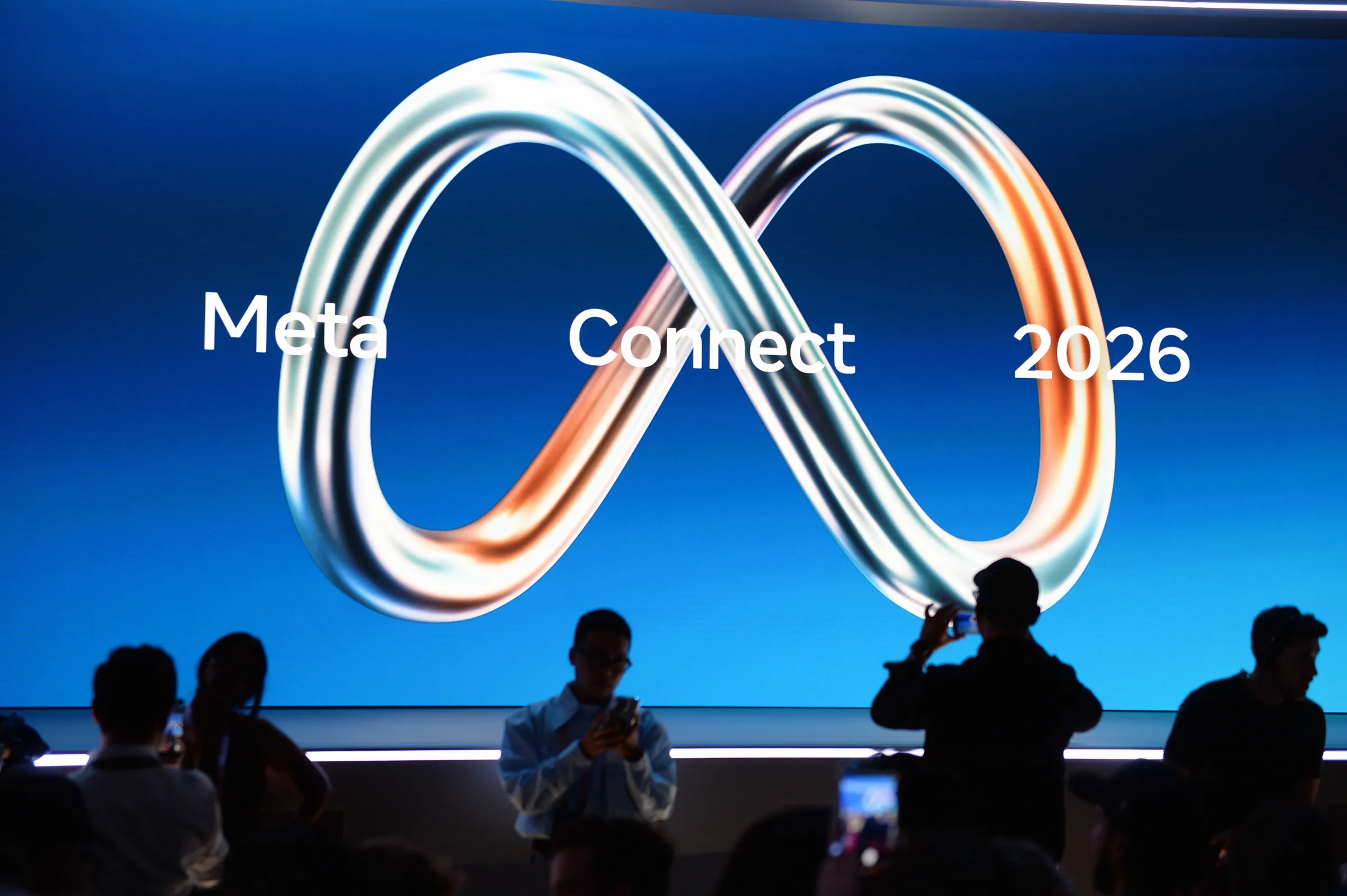
Meta is making a standalone Muse AI gadget
Meta is building a dedicated hardware device for its new Muse AI agent. The product, called Muse Charm, was briefly shown off by Meta CEO Mark Zuckerberg at the end of tonight's Meta Connect presentation. It looks almost like a chunky smartwatch without the strap - just a big screen, plus a little lanyard for carrying the device around. The Muse Charm has a fingerprint sensor on the top right corner that you can press to activate and begin speaking to the agent. There appears t

Everything new coming to Meta’s AI agent Muse
CEO Mark Zuckerberg kicked off the company’s annual Connect event in Menlo Park on Wednesday with a keynote that made one thing clear: Meta is going all-in on Muse. It's even coming to Meta's AI glasses.