Your Robot’s Safety Functions Already Work. What If the Input Lies?
A robot can follow its safety rules and still act on manipulated information. See what this means for robot safety and how teams can strengthen their testing and evidence. A mobile robot slows for someone in a hallway. A collaborative arm eases its movement as a worker approaches. A humanoid pauses to let a person pass. Each response depends on information about the robot or its surroundings: a distance reading, a position estimate, or a stop signal. But what happens when one of those inputs is
Get smart on it
Robots rely on sensor inputs like distance readings and position estimates to trigger safety functions, such as slowing down when someone approaches. A new concern is that these inputs can be manipulated through deliberate attacks, causing robots to behave unsafely while still following their programmed safety rules. Research shows examples including visual patches that interfere with robot tasks, text on posters that change robot movement, and crafted audio that alters robot behavior in simulations. Safety teams now need to test whether robots' protective systems work not just against accidental faults but also against intentional manipulation of the information those systems depend on.
Related news
Top 10 robotics stories of September 2026
September 2026 was a packed month for the robotics industry. Live events, including IMTS, ROSCon, and iROS, brought a flood of developments around automation and AI. This month, our top 10 is filled with new products, company launches, and major changes for some robotics companies. Here are the 10 most popular articles on The Robot Report in the past month. Subscribe to The Robot Report newsletter and listen to The Robot Report Podcast to stay up to date on the latest robotics news. 10. With th
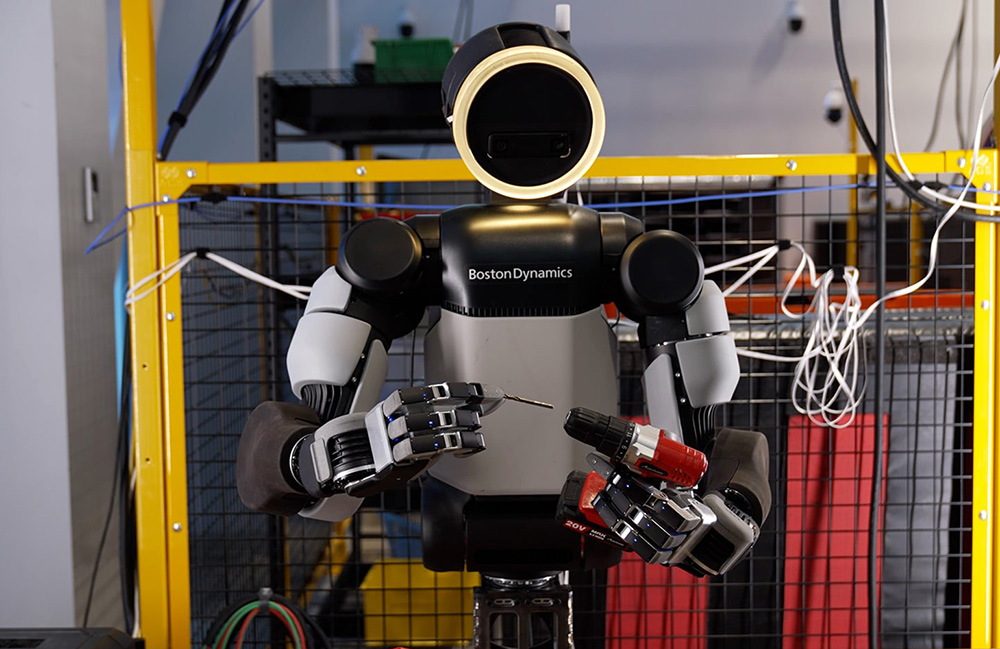
Boston Dynamics drops pinkie on new humanoid hand
Boston Dynamics said it didn’t set out to build a complicated hand, but instead a reliable one capable of using tools. | Source: Boston Dynamics Boston Dynamics today unveiled the newest hand for its Atlas humanoid. The hand has four fingers, 13 degrees of freedom (DOF), is directly actuated, and is designed for mass manufacturing. Previous versions of Atlas’ hand featured seven degrees of freedom and were designed to grasp a large variety of objects, Boston Dynamics said. With the l