Narwal prepares for IPO with customized robot vacuums
The Robot Report: Narwal builds robot vacuums to serve regional needs
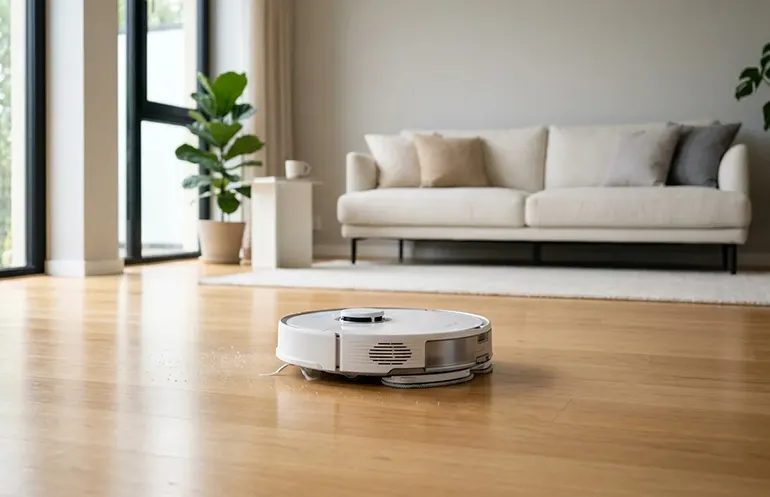
Narwal has designed robots that can both vacuum and mop. Source: Narwal Robots have entered homes, but the path to consumer adoption has been long and winding. iRobot Corp. was the pioneer but entered bankruptcy proceedings late in 2025. Narwal Robotics Corp. has spent a decade on research and development, testing 30 technical routes to self-cleaning robotic mops, and building a supply chain to retain cost control. While iRobot has emerged from bankruptcy with a new owner, Narwal is working towa
Narwal Robotics manufactures robot vacuums that can both vacuum and mop, and the company is preparing for an initial public offering as it expands globally. The household robotics market has faced high barriers to entry in research and development, supply chain management, and algorithm development, which contributed to iRobot's bankruptcy in 2025. Narwal differentiated itself by spending years on research and development, building its own supply chain, and customizing products for regional needs rather than competing primarily on hardware specifications. The company's strategy emphasizes delivering a refined cleaning experience that meets the standards of mature home appliances before pursuing aggressive cost reduction and market expansion.
- Google DeepMind releases new advanced robotics AI model and next-generation gene prediction model · SiliconANGLE
- Six AGIBOT G2 Robots Complete 1,730 Tasks in 24-Hour Shanghai Convenience Store Trial · The Robot Report
- How Rhoda AI is using video data to create generalized AI models for robots · The Robot Report
- All of today’s AI news, biggest first →
One short email a day with the stories that matter. Free. Unsubscribe with one click.
Want to go deeper than the news? Explore live, cohort-based AI courses taught by practitioners.
Browse AI courses on Maven
Google DeepMind releases new advanced robotics AI model and next-generation gene prediction model
Alphabet Inc.’s artificial intelligence research lab, Google DeepMind, Tuesday debuted the next generation of Gemini Robotics, the company’s most capable vision-language-action model to date for creating an “AI brain” for robotics. Separately, DeepMind announced AlphaGenome 2 today, a next-generation AI model that can predict how DNA sequences and their variations affect human cell types, creating […] The post Google DeepMind releases new advanced robotics AI model and next-generation gene
Also reported by MarkTechPost and The Decoder
Six AGIBOT G2 Robots Complete 1,730 Tasks in 24-Hour Shanghai Convenience Store Trial
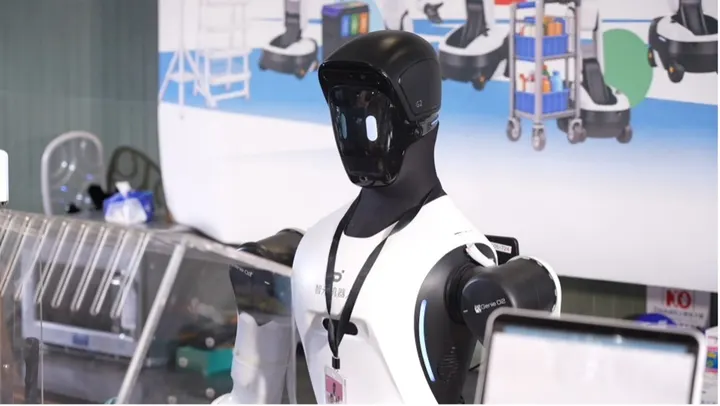
Four of the six robots pass a performance assessment as the trial puts customer service, retail operations and embodied AI capabilities to the test in a working store. Six AGIBOT G2 wheeled humanoid robots completed a 24-hour trial at an operating convenience store in Shanghai’s Xuhui District, performing a combined 1,730 tasks ranging from customer assistance and coffee preparation to shelf restocking and cleaning. The trial ran from 10 a.m. on November 2 to 10 a.m. on November 3 an
How Rhoda AI is using video data to create generalized AI models for robots
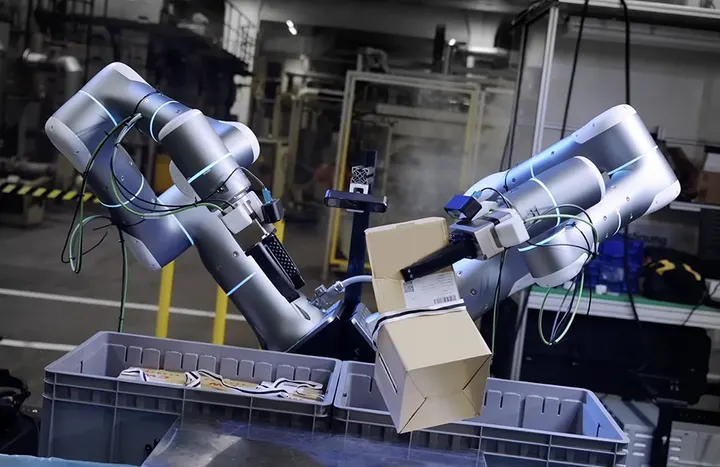
Rhoda pretrains its models on internet-scale video to build a strong prior on motion, physics, and physical interaction. | Source: Rhoda AI Earlier this year, Rhoda AI emerged from 18 months of stealth with $450 million in Series A funding. The company is working with customers in automotive, manufacturing, logistics, and e-commerce to deploy its direct video action, or DVA, model for robotics. “We’re focused on deploying in the real world, and that means you have to deal with the messiness of t

Ring, known for its doorbell cameras, launches a home security drone and an enterprise security robot
Amazon-owned Ring is pushing into robotics with the launch of a home security drone and a rolling robot designed to patrol and protect businesses.
Also reported by Ars Technica
Can AI agents program industrial robots without training data? Berkeley says yes
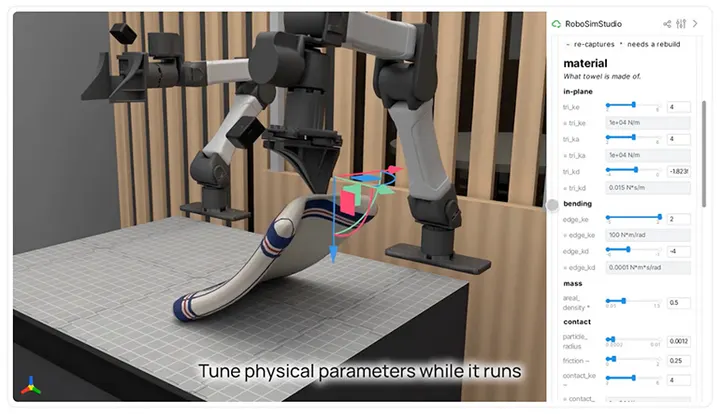
The new RoboSimStudio is an open-source project that enables agentic AI coding of robotic simulation environments. | Credit: UC Berkeley UC Berkeley and NVIDIA have released open-source tools for a new approach: enabling teams of AI coding agents to write, simulate, and refine readable robot programs. Since the early days of industrial robots, programming, tuning, and troubleshooting robotic workcells has taken weeks to months. New research coming out of UC Berkeley has demonstrated that new age
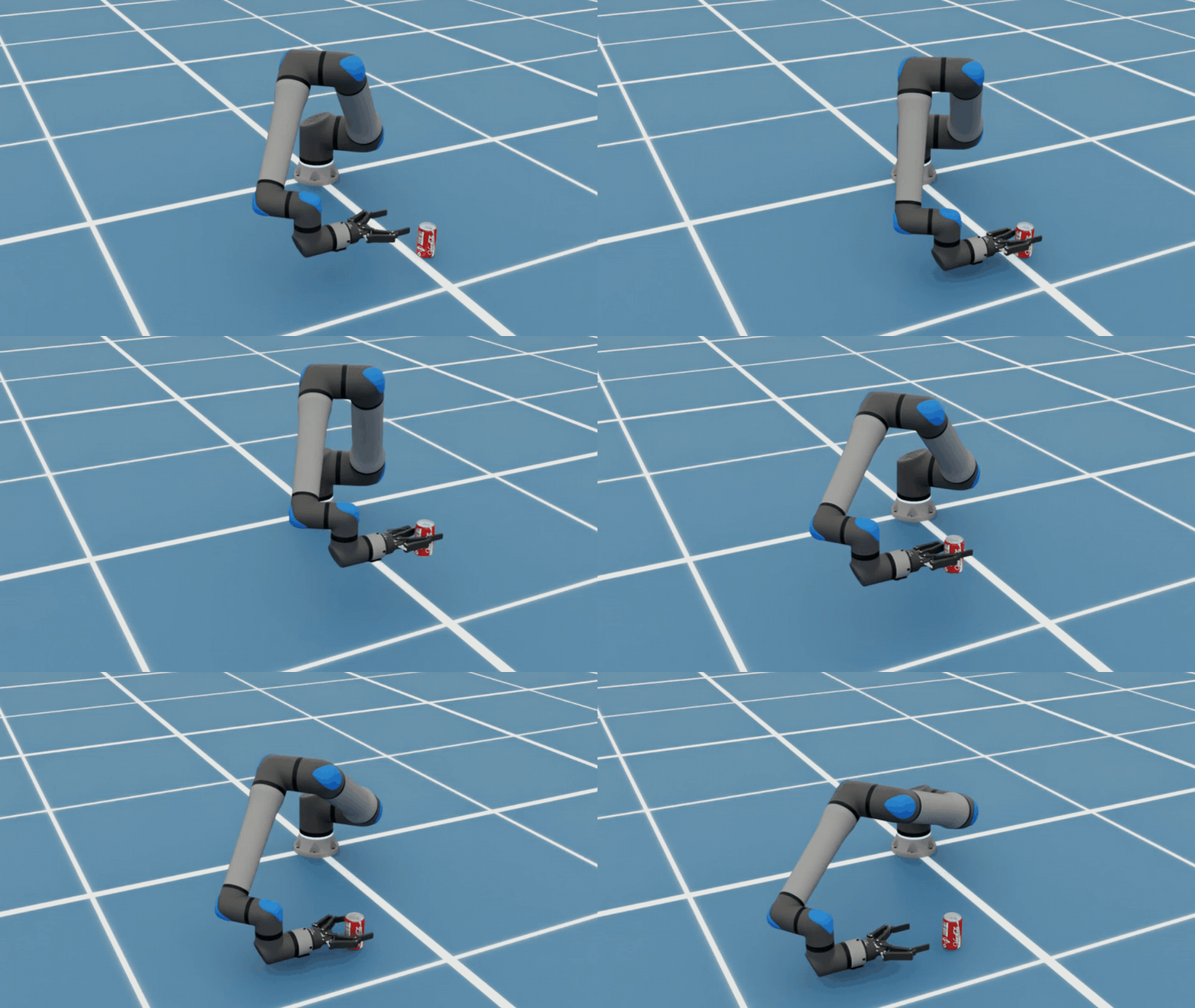
Build a Robot Pick-and-Place Simulation with SimReady Assets
Pre-built digital components let engineers test warehouse automation designs faster before deploying physical hardware.