Why outdoor robots fail (and how to build systems that survive)
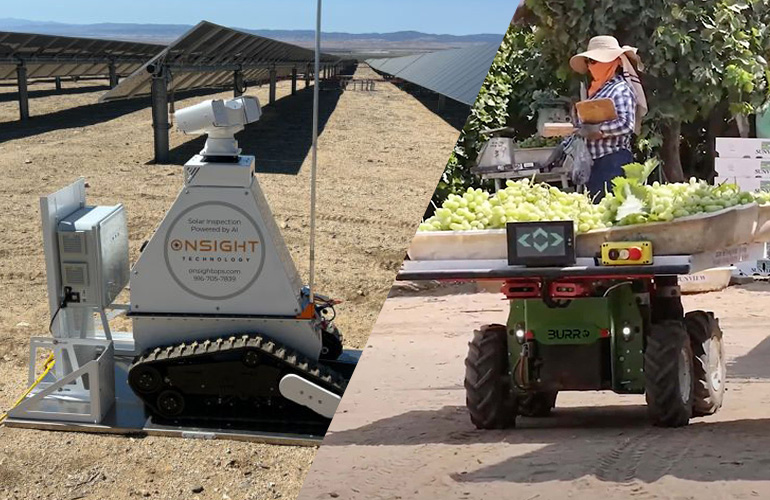
Outdoor robots demand additional engineering, sensors, and weatherproofing to operate effectively outdoors. | Credit: Wibotic, Nextpower, and Burro. Robots are now being deployed far beyond the controlled conditions of warehouses, factories, and laboratories. From agriculture and construction to mining, ports, defense, and critical infrastructure, outdoor robots must contend with weather, dust, moisture, vibration, uneven terrain, remote deployments, and limited access to service teams. Those c
Get smart on it
Outdoor robots operating in agriculture, construction, mining, and infrastructure face distinct engineering challenges that do not appear during indoor laboratory testing. These robots must contend with weather, dust, moisture, vibration, uneven terrain, and limited access to service teams, which introduce failure modes related to temperature swings, water damage, battery constraints, and connectivity issues. A panel discussion at an industry conference will address best practices for environmental hardening, power architecture, autonomous operations, charging infrastructure, and reliability engineering to help teams move outdoor robots from pilot projects to dependable field deployments. The session aims to provide robotics engineers, product leaders, and business executives with practical strategies for improving system resilience and reducing service costs.
Related news
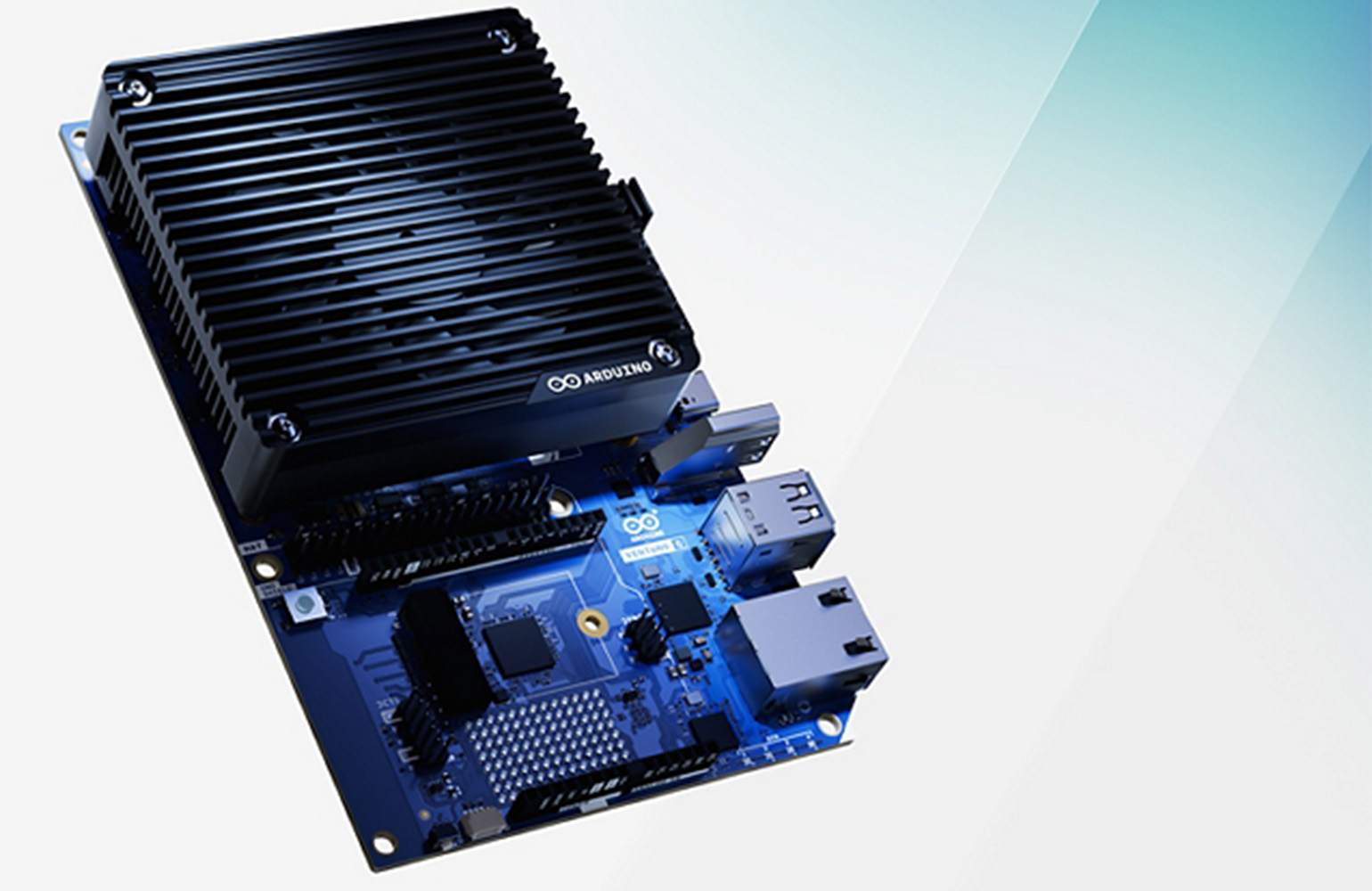
With the new VENTUNO Q board, Arduino hopes to make robotics development easier
Arduino VENTUNO Q’s dual-brain architecture pairs a Qualcomm Dragonwing IQ8 Sprocessor with a real-time STM32H5 microcontroller. | Source: Qualcomm Arduino S.r.l., a subsidiary of Qualcomm Technologies Inc., recently opened pre-orders for VENTUNO Q, a edge AI platform powered by the Qualcomm Dragonwing IQ8 Series. Arduino built the board for developers, prioritizing familiarity and ease of use with the right software, accessories, and extensions. While this is Arduino’s first intenti
How to Use NVIDIA Warp and MjWarp to Accelerate Robotics Simulation and Learning Workflows
Faster simulation tools could help roboticists train autonomous systems more efficiently by compressing months of testing into weeks.