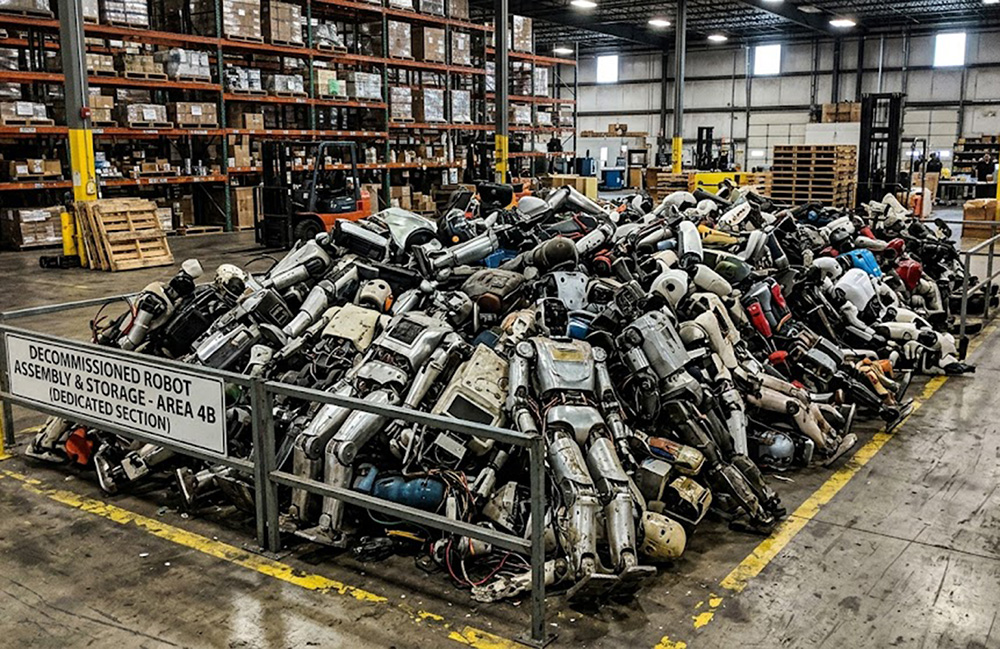
What do you do with a humanoid robot when it breaks down?
Like other complex machines such as cars and computers, humanoids will need to be recycled. Source: Re-Teck The race to mass-produce humanoid robots is in full swing. Industry leaders regularly debate how to source, assemble, and deploy these machines, which contain anywhere from 10,000 to 15,000 individual components. But an inevitable, multi-billion-dollar question remains unaddressed: What happens when they retire? Decommissioning humanoids is not a matter of traditional scrapping. It’s
Get smart on it
As humanoid robots enter mass production with tens of thousands of individual components each, their eventual disposal poses a complex technical and safety challenge that the industry has not yet adequately addressed. Recycling these machines is far more complicated than traditional scrapping because they contain sensitive data, stored energy in battery systems, high-performance components susceptible to fatigue, and significant quantities of rare-earth magnets that cannot be safely separated using standard crushing methods. Safe decommissioning requires skilled technicians to surgically extract parts while managing risks including data breaches, battery thermal runaway, structural failures, and magnet-related injuries like crushing and spontaneous fire hazards. The industry must move toward designing robots with modular, standardized components that can be efficiently disassembled rather than relying on permanent adhesives and integrated assemblies.
Related news
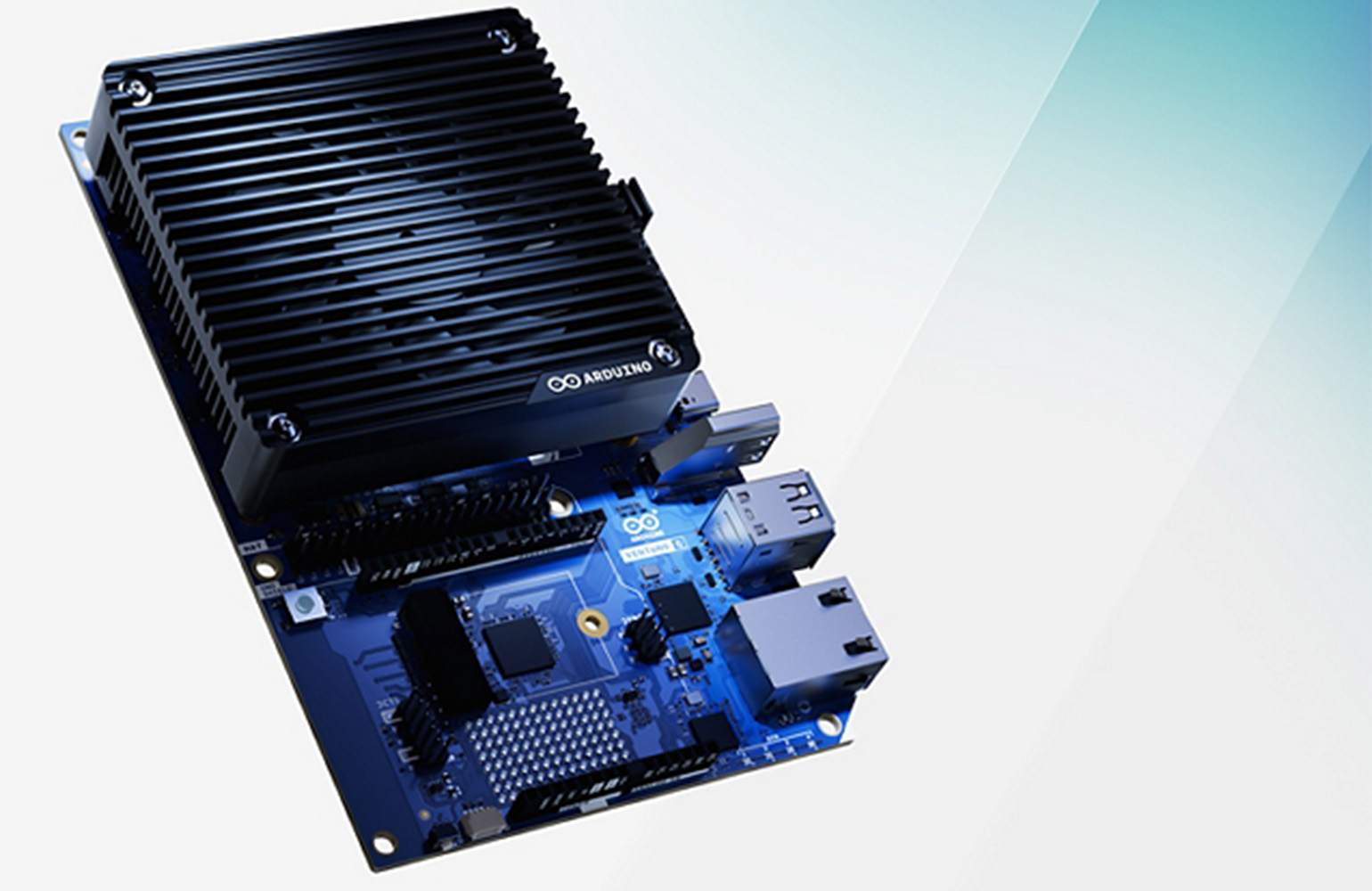
With the new VENTUNO Q board, Arduino hopes to make robotics development easier
Arduino VENTUNO Q’s dual-brain architecture pairs a Qualcomm Dragonwing IQ8 Sprocessor with a real-time STM32H5 microcontroller. | Source: Qualcomm Arduino S.r.l., a subsidiary of Qualcomm Technologies Inc., recently opened pre-orders for VENTUNO Q, a edge AI platform powered by the Qualcomm Dragonwing IQ8 Series. Arduino built the board for developers, prioritizing familiarity and ease of use with the right software, accessories, and extensions. While this is Arduino’s first intenti
How to Use NVIDIA Warp and MjWarp to Accelerate Robotics Simulation and Learning Workflows
Faster simulation tools could help roboticists train autonomous systems more efficiently by compressing months of testing into weeks.