Unichem acquires Loomia to accelerate entry into the humanoid ‘skin’ market
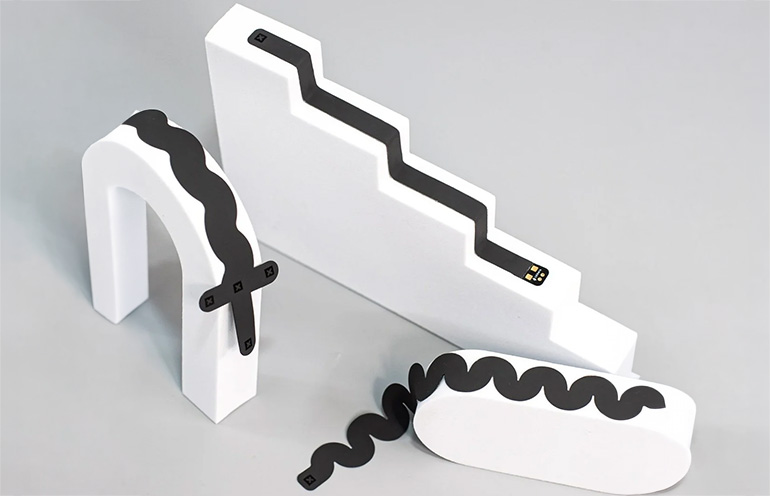
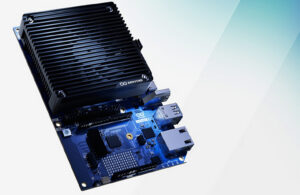
Loomia’s Smart Skin Tactile Sensing Dev Kit includes both capacitive and force-sensitive resistor sensors. Source: Loomia Sensing “skin” is among the technologies in development around physical AI including humanoid robots. Materials company Uni-Chem Co. this month acquired Loomia Technologies Inc. to enter the market for “electronic skin” for humanoids, as well as the market for interior materials for smart mobility. Flexible electronics maker Loomia previously par
How it resolved
Will Unichem formally announce the completed Loomia acquisition by August 31, 2026?
VoidedDeadline Aug 31, 2026
This prediction was voided because the outcome could not be settled from the source.
Get smart on it
A materials company acquired a flexible electronics maker to develop electronic skin technology for humanoid robots. The acquired company's core technology bonds electronic circuits to flexible materials like cloth and leather, which is designed to give robots the ability to sense touch through tactile sensors. This matters because sensing skin is considered an important technology for physical AI and humanoid robots that need to handle objects with human-like precision. The companies plan to combine the acquired company's flexible electronics with a manufacturing partner's production capabilities to create affordable tactile sensors for major robotics and AI companies.
Related news
Top 10 robotics stories of September 2026
September 2026 was a packed month for the robotics industry. Live events, including IMTS, ROSCon, and iROS, brought a flood of developments around automation and AI. This month, our top 10 is filled with new products, company launches, and major changes for some robotics companies. Here are the 10 most popular articles on The Robot Report in the past month. Subscribe to The Robot Report newsletter and listen to The Robot Report Podcast to stay up to date on the latest robotics news. 10. With th
Boston Dynamics drops pinkie on new humanoid hand
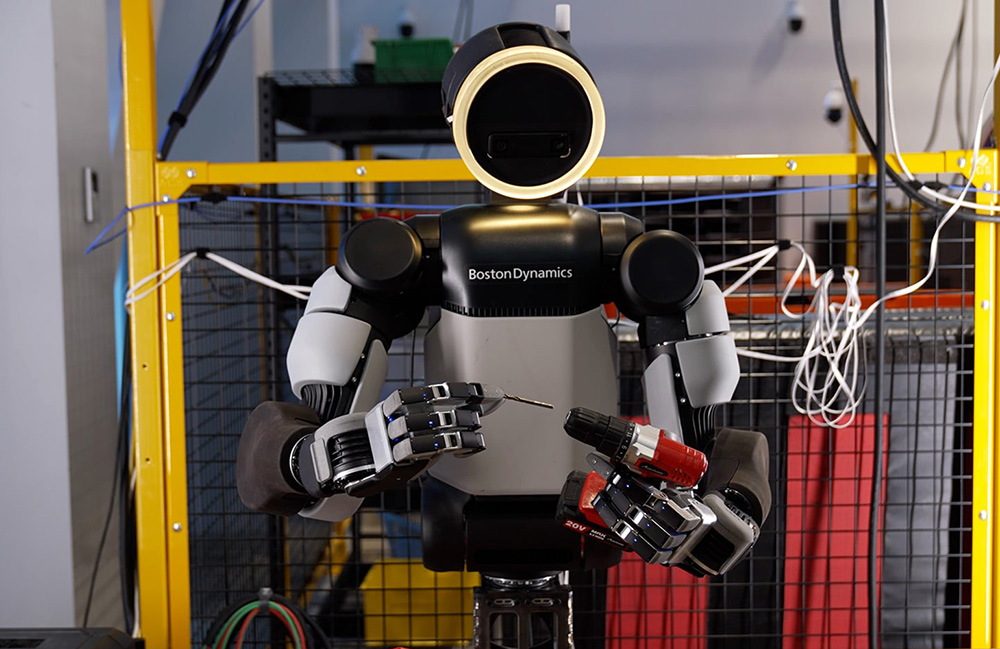
Boston Dynamics said it didn’t set out to build a complicated hand, but instead a reliable one capable of using tools. | Source: Boston Dynamics Boston Dynamics today unveiled the newest hand for its Atlas humanoid. The hand has four fingers, 13 degrees of freedom (DOF), is directly actuated, and is designed for mass manufacturing. Previous versions of Atlas’ hand featured seven degrees of freedom and were designed to grasp a large variety of objects, Boston Dynamics said. With the l