Toyota orders workers to train humanoid robots but says humans won't be replaced
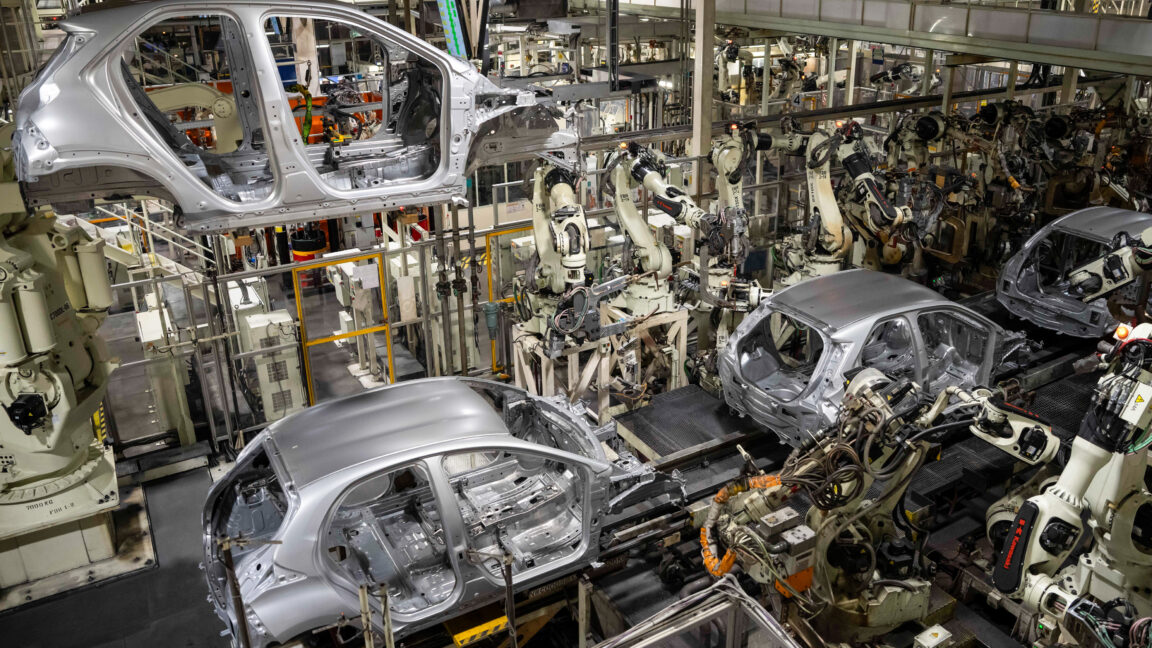
Toyota workers are already helping to train humanoid robots as part of the automaker’s race to eventually deploy 400,000 factory robots—but a Toyota executive said the robotic push is not meant to directly replace humans. Starting in 2028, the Toyota Motor group aims to start investing $6.42 billion every year in upgrading factories with the new robotic workforce, according to Nikkei Asia. The company wants to put 150,000 robots in its own automotive plants and deploy another 250,000 at group co
Get smart on it
Toyota is training humanoid robots to work alongside human workers on assembly lines, with plans to deploy hundreds of thousands of factory robots starting in 2028 through a multi-billion dollar annual investment. A Toyota executive stated the company aims for robots and humans to coexist rather than for robots to replace workers, though the announcement has raised questions given the company's large global workforce. The automotive industry is increasingly turning toward humanoid robots as a newer trend beyond traditional industrial robotic arms, betting that these general-purpose robots can eventually handle many different tasks in human-designed workplaces. Other major automakers are also developing or investing in humanoid robots, though significant challenges remain around safety, cost-effectiveness, and technical capability before widespread deployment.
Related news
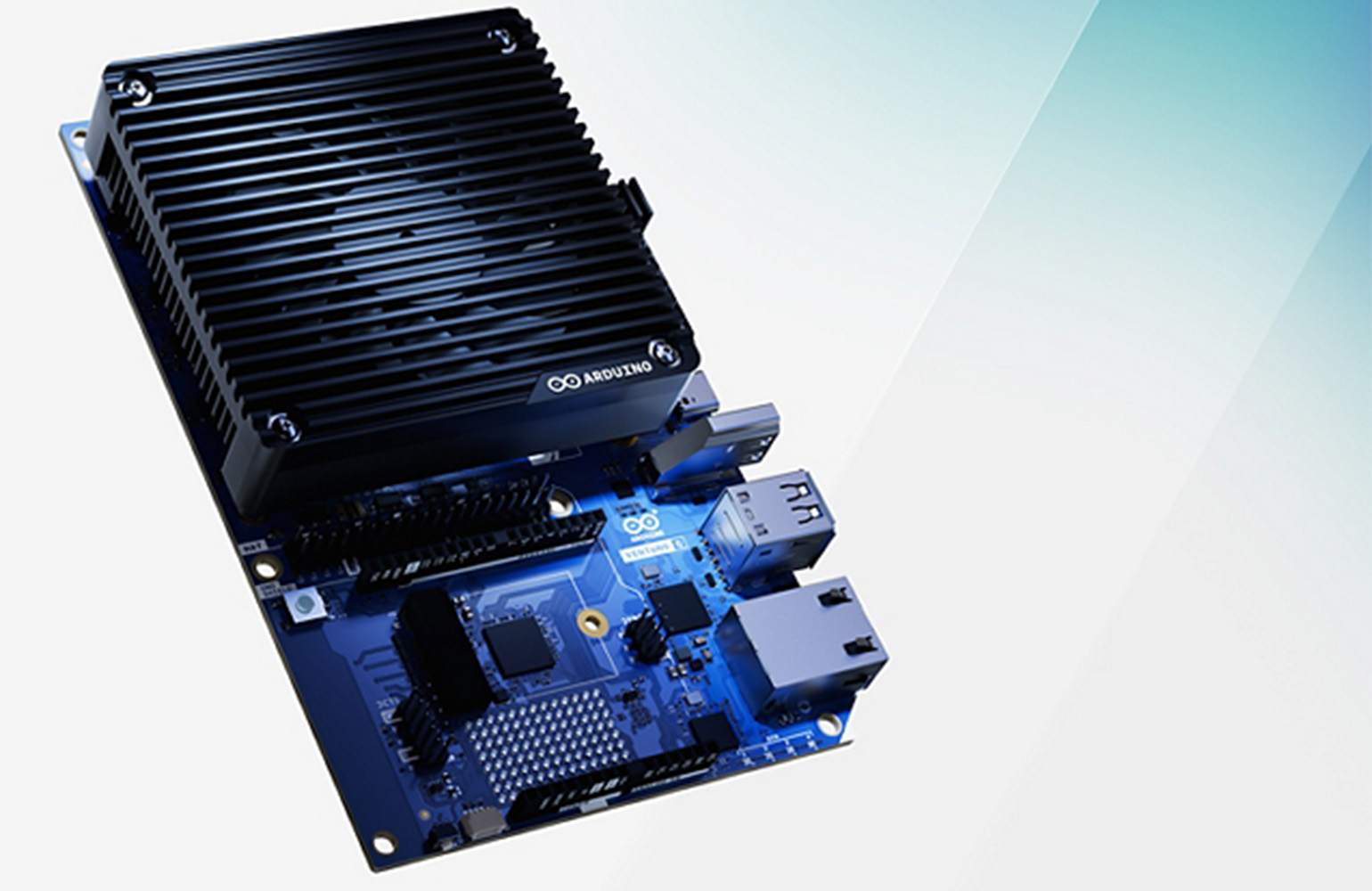
With the new VENTUNO Q board, Arduino hopes to make robotics development easier
Arduino VENTUNO Q’s dual-brain architecture pairs a Qualcomm Dragonwing IQ8 Sprocessor with a real-time STM32H5 microcontroller. | Source: Qualcomm Arduino S.r.l., a subsidiary of Qualcomm Technologies Inc., recently opened pre-orders for VENTUNO Q, a edge AI platform powered by the Qualcomm Dragonwing IQ8 Series. Arduino built the board for developers, prioritizing familiarity and ease of use with the right software, accessories, and extensions. While this is Arduino’s first intenti
How to Use NVIDIA Warp and MjWarp to Accelerate Robotics Simulation and Learning Workflows
Faster simulation tools could help roboticists train autonomous systems more efficiently by compressing months of testing into weeks.