The U.S. is building barriers around drones and robots, but China has scale to get around them
The U.S. is shutting out more foreign-made drones and robots. China’s scale means the global competition may simply move elsewhere.
Make your prediction
Will the U.S. government announce new import restrictions on Chinese-made robots by September 30, 2026?
Resolves by Sep 30, 2026
Your prediction
50% · 50/50 coin flip
NOYES
Get smart on it
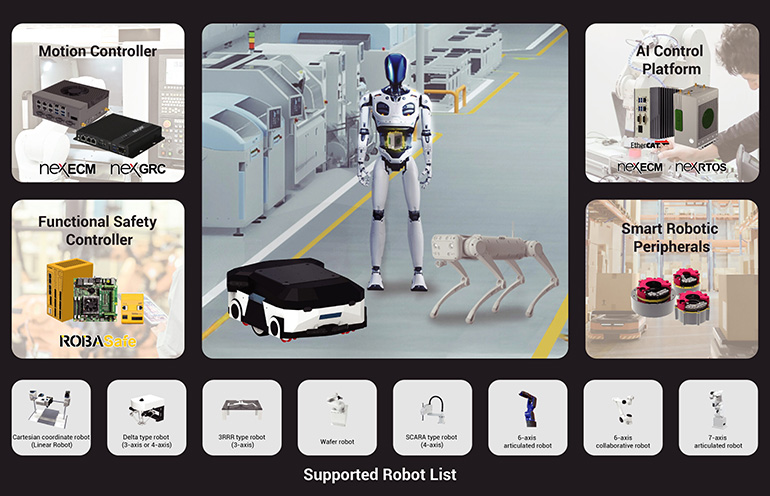
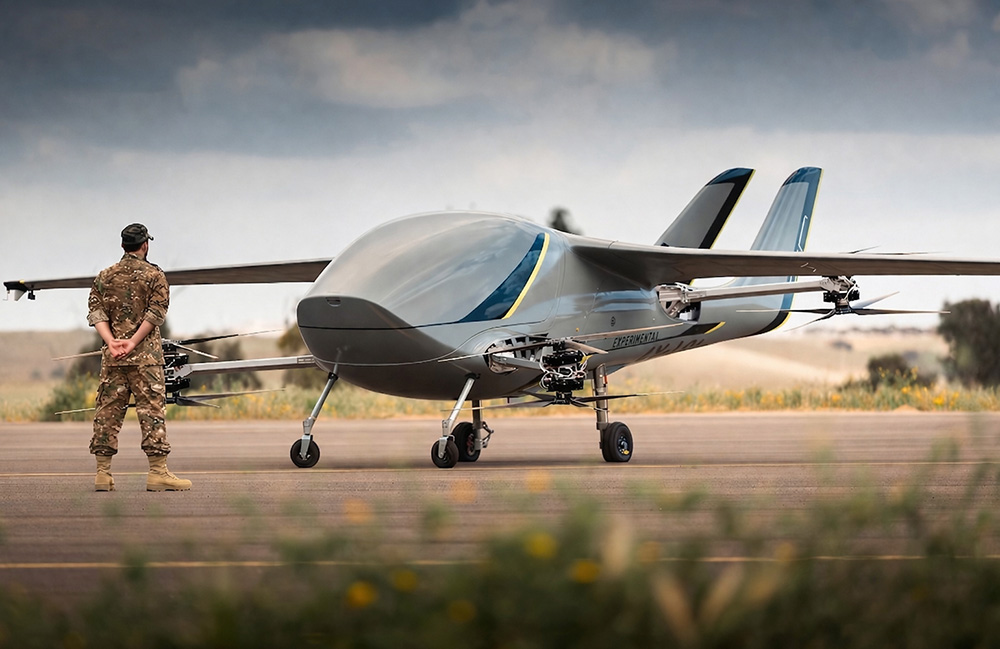
The U.S. government has recently imposed restrictions on foreign-made drones and advanced robotic systems, citing national security concerns, while Chinese manufacturers have built dominant market positions in both categories at lower prices than U.S. competitors. Chinese companies control the vast majority of global humanoid robot shipments and benefit from manufacturing scale and cost advantages that allow them to improve technology through real-world data and further reduce prices. Rather than creating a clean split between U.S. and Chinese markets, analysts expect the restrictions will fragment the global robotics industry, with Chinese companies expanding in price-sensitive regions outside the U.S. while American and allied manufacturers focus on markets where security requirements carry more weight. The fundamental challenge is that U.S. restrictions on market access cannot overcome China's structural advantages in manufacturing scale and supply chain depth without sustained domestic investment.
Related news

Medtronic invests $700M in surgical partner Cornerstone Robotics
Sentire combines clinical workflows with integrated engineering, software, and imaging technologies. | Source: Cornerstone Robotics Medtronic PLC today announced a new partnership with Cornerstone Robotics Ltd. that includes a $700 million investment. Medtronic has also gained the rights to distribute Cornerstone Robotics’ Sentire surgical system in select markets outside the U.S. where the system is approved. Medtronic will distribute Sentire alongside its own Hugo robotic-assisted surger
JAKA hits Teradyne Robotics back over patent dispute
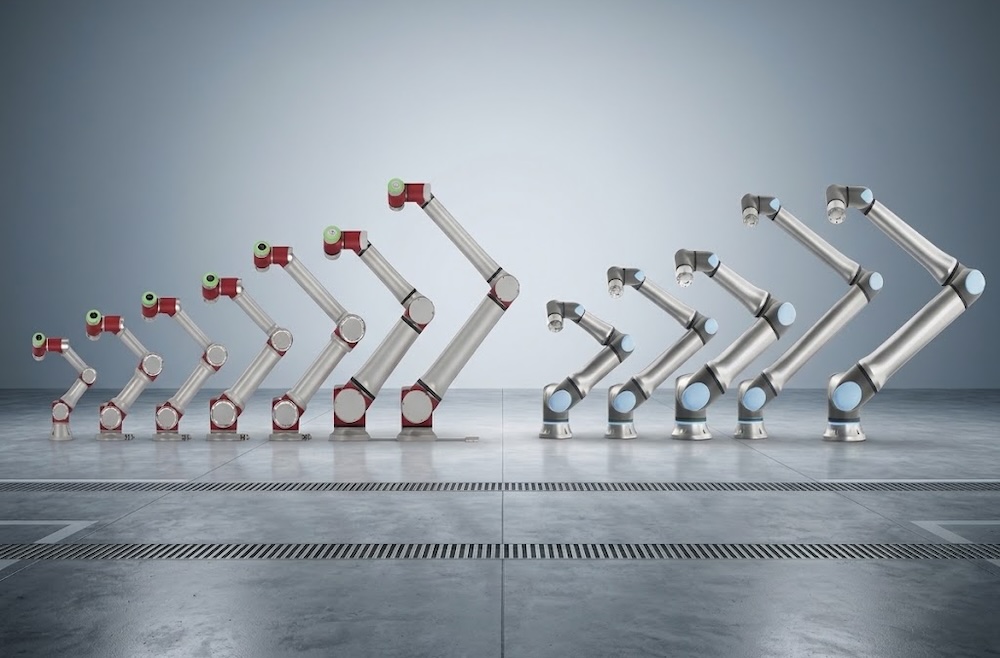
Collaborative robot arms from JAKA Robotics (left) and Universal Robots. Get the popcorn ready. The patent fight between Teradyne Robotics and JAKA Robotics has turned into a full-blown public brawl. Teradyne, parent company of Universal Robots, sued JAKA’s German subsidiary last week, alleging infringement of patents covering hardware and software used in its cobot arms. Today, JAKA hit back, saying it has gone to court seeking injunctive relief over what it calls Teradyne’s “false, misleading,