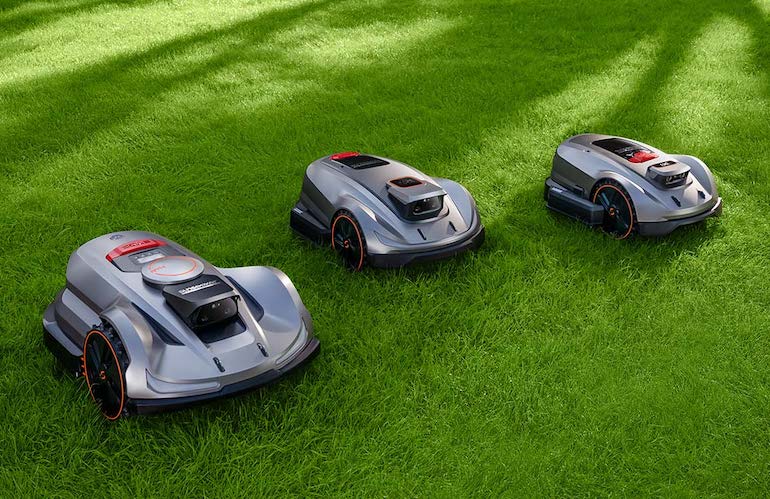
The technology that could bring robot mowers to one in two American lawns
Robotic mowing is becoming more commercially viable because of vision and satellite guidance, AI planning, and autonomy. Source: Sunseeker Robotics For years, robotic lawn mowers have been perceived as a niche technology: an interesting solution, but one limited by complex installations, wired systems, and performance that was not always suitable for larger and more demanding lawns. Today, that phase is over. The evolution of artificial intelligence, satellite navigation, and autonomous systems
Make your prediction
Will a commercial robot mower brand announce US market availability by November 1, 2026?
Resolves by Nov 1, 2026
Your prediction
50% · 50/50 coin flip
NOYES
Get smart on it
Robotic lawn mowers are becoming commercially viable due to advances in artificial intelligence, satellite navigation, and autonomous systems that enable them to operate with minimal human intervention and wired installation. The global lawn mower market is projected to grow significantly, and analysts believe the U.S. robotic mower market could reach 50% household penetration within eight years as costs decrease and consumer awareness increases. The main barrier to widespread adoption is not technological but cultural, as many homeowners still associate robotic mowers with older models that required complex installation and frequent maintenance. Beyond residential use, the technology addresses labor shortages in the commercial landscaping industry while improving worker safety by automating repetitive and physically demanding tasks.
Related news
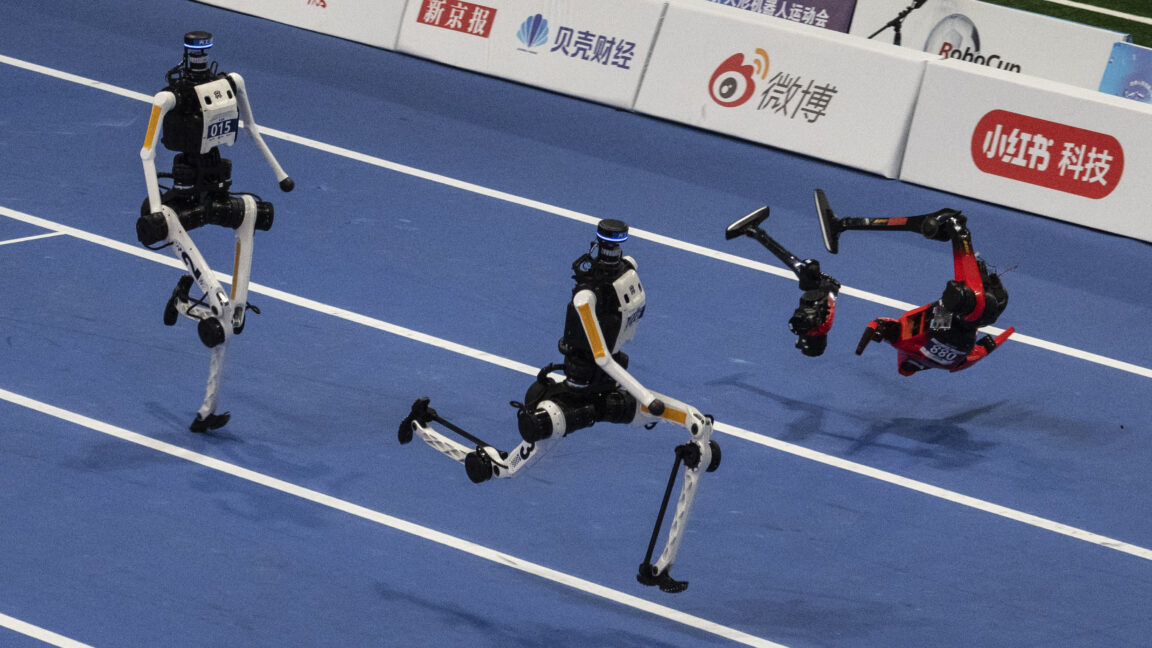
World humanoid robot games show runners breaking records, bursting into flames
Viral videos of the World Humanoid Robot Games show sprinting robots beating the human 100-meter record held by Usain Bolt—but also feature running robots crashing into barriers and falling down because they cannot readily stop running. A few fallen robots even break at the waist in a shower of sparks or catch on fire. That demonstration of both robotic prowess and limitations came from the second edition of the World Humanoid Robot Games hosted in Beijing from August 22–26. Like the inaugural e
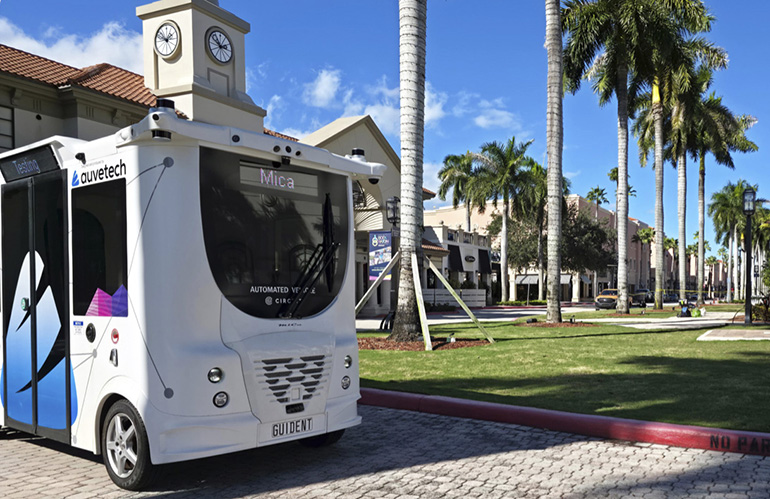
Humans in the loop are still needed for robotaxi fleet safety, says Guident
Guident launched autonomous shuttle service in Boca Raton, Fla., in November 2025. Source: Guident Robotaxi fleets are growing as self-driving vehicle companies start to roll out commercial services while still collecting data for further development and safety. For instance, Zoox Inc. this month began charging for rides in Las Vegas. The Foster City, Calif.-based Amazon subsidiary recently partnered with Uber as it expands to multiple cities. While Zoox has explained how it approaches safety fo