The next big AI play isn’t apps or humanoids; it’s machines with brains and brawn
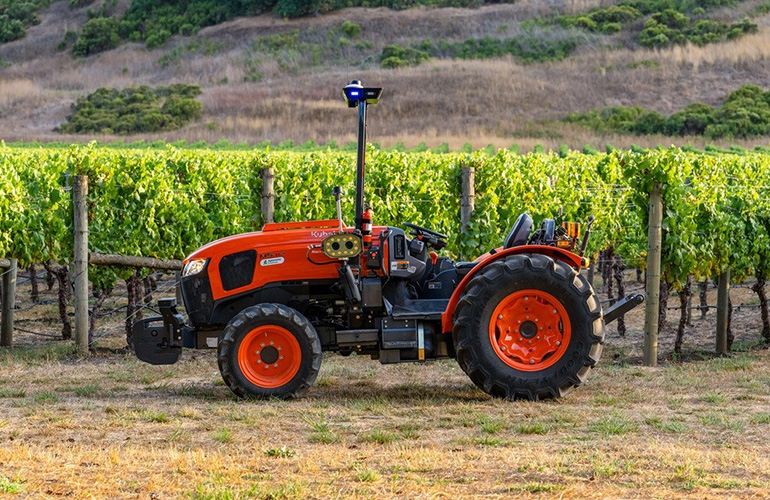
Kubota unveiled the integrated, autonomous M5 Narrow diesel specialty tractor at CES 2026. | Credit: Kubota Humanoid robots and AI are chasing a powerful promise: replacing repetitive manufacturing tasks for lower cost, easing caregiver shortages, taking people out of dangerous work, and helping more of us live better, fuller lives in environments built for humans. That’s important, and it’s coming. On rural farms or urban construction sites, the problem looks different. The urgent question isn’
Make your prediction
Will a major U.S. agricultural equipment maker announce an autonomous tractor product by October 2026?
Resolves by Oct 31, 2026
Your prediction
50% · 50/50 coin flip
NOYES
Get smart on it
The next major AI opportunity lies in embedding artificial intelligence directly into heavy machinery like tractors and construction equipment rather than developing standalone apps or humanoid robots. This matters because agriculture and construction face a structural labor crisis as skilled operators retire faster than new workers enter the field, threatening the viability of farms and projects. In permanent crops such as vineyards and orchards, machines must operate with extreme precision in complex, changing environments where GPS is unreliable and human error is costly, making onboard perception and decision-making essential. The winning approach combines established equipment manufacturers with their distribution networks and expertise with AI companies that can embed perception systems and autonomy software directly into machines, allowing one operator to supervise multiple autonomous vehicles performing simultaneous tasks.
Related news
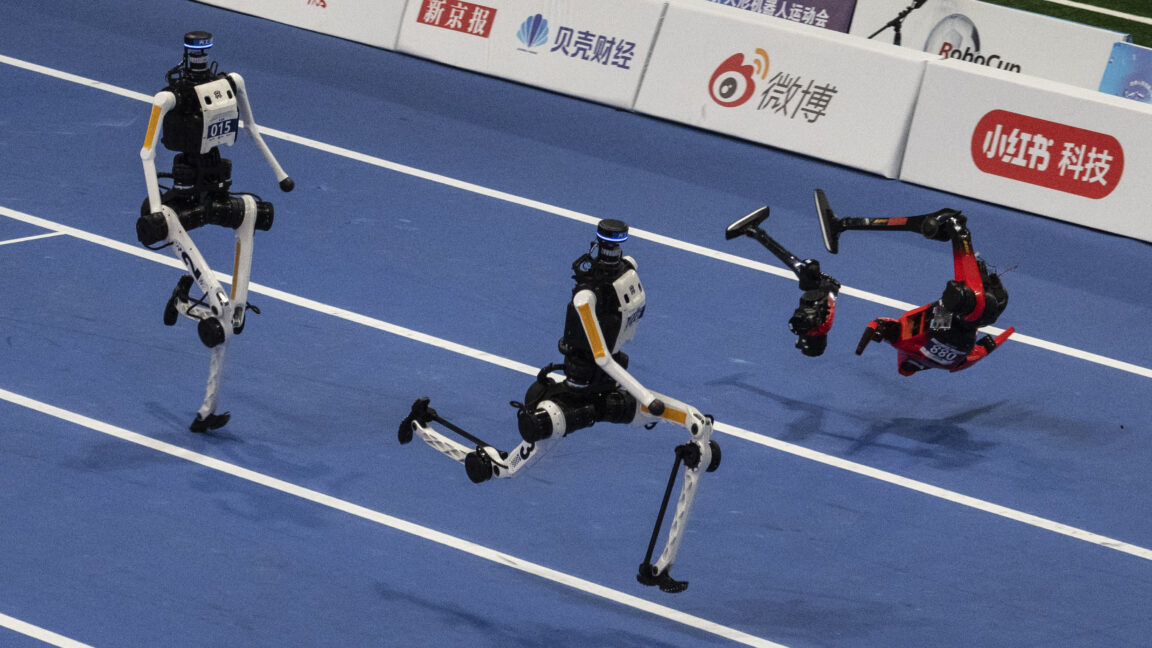
World humanoid robot games show runners breaking records, bursting into flames
Viral videos of the World Humanoid Robot Games show sprinting robots beating the human 100-meter record held by Usain Bolt—but also feature running robots crashing into barriers and falling down because they cannot readily stop running. A few fallen robots even break at the waist in a shower of sparks or catch on fire. That demonstration of both robotic prowess and limitations came from the second edition of the World Humanoid Robot Games hosted in Beijing from August 22–26. Like the inaugural e
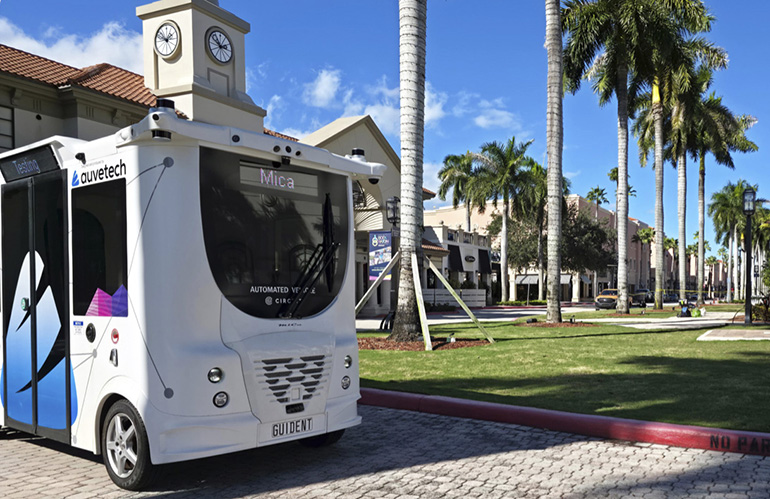
Humans in the loop are still needed for robotaxi fleet safety, says Guident
Guident launched autonomous shuttle service in Boca Raton, Fla., in November 2025. Source: Guident Robotaxi fleets are growing as self-driving vehicle companies start to roll out commercial services while still collecting data for further development and safety. For instance, Zoox Inc. this month began charging for rides in Las Vegas. The Foster City, Calif.-based Amazon subsidiary recently partnered with Uber as it expands to multiple cities. While Zoox has explained how it approaches safety fo