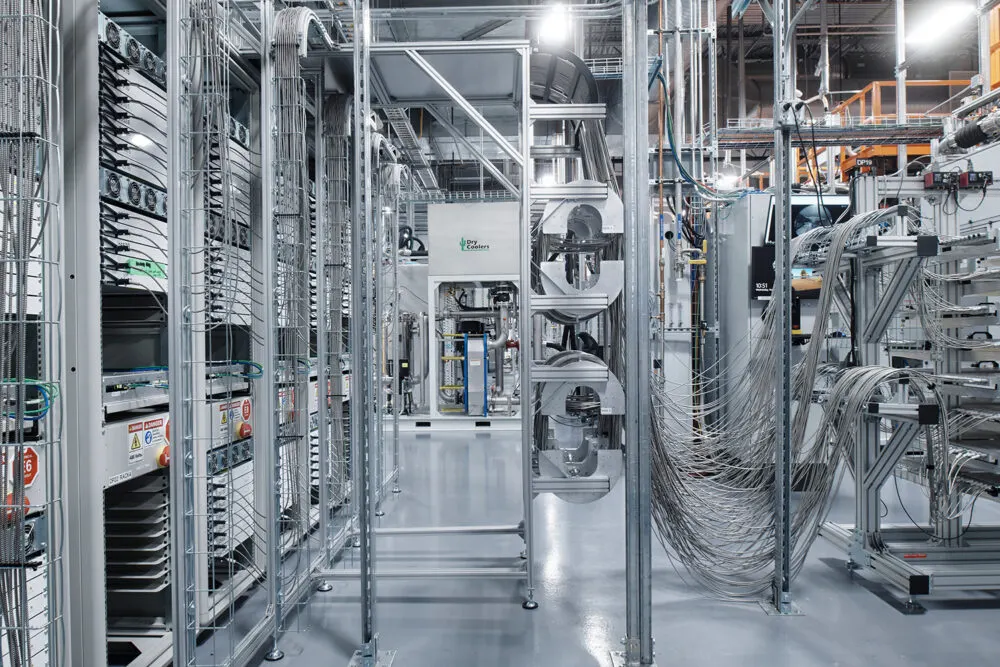
Physical AI robots need real manufacturing data to deploy
The Robot Report: The manufacturing data gap holding back physical AI
Robotics and physical AI companies have raised nearly $48 billion so far in 2026, but the rollout of fully autonomous machines in industrial settings isn’t a given. For robots to step beyond controlled environments onto the manufacturing floor, they need real-world data to learn from. Most production facilities aren’t set up to provide it. Consider the welding process. For a robot to improve its technique autonomously, it needs to understand how changes in welding angle, travel speed, workpiece
Robotics and physical AI companies have raised billions in funding, but deploying fully autonomous robots in manufacturing facilities requires real-world data that most factories don't currently capture or structure properly. Manufacturing processes depend on tacit knowledge held by experienced technicians, such as how welding angle or speed affects quality, but this knowledge often isn't documented in forms that robotic systems can learn from. The core problem is that manufacturers collect extensive operational data, yet it remains siloed across separate systems, making it difficult to connect process decisions with measurable quality outcomes. Closing this data gap requires manufacturers to capture information reflecting actual production conditions, create digital connections across all production stages and quality systems, and establish feedback loops so autonomous systems can verify whether their adjustments actually improved results.
- Medtronic’s Hugo surgical robot ready for bigger operation · The Robot Report
- Robotics enters its post-Jensen Huang era · The Robot Report
- Rockwell Automation acquiring mobile robot maker AGILOX · The Robot Report
- All of today’s AI news, biggest first →
One short email a day with the stories that matter. Free. Unsubscribe with one click.
Want to go deeper than the news? Explore live, cohort-based AI courses taught by practitioners.
Browse AI courses on Maven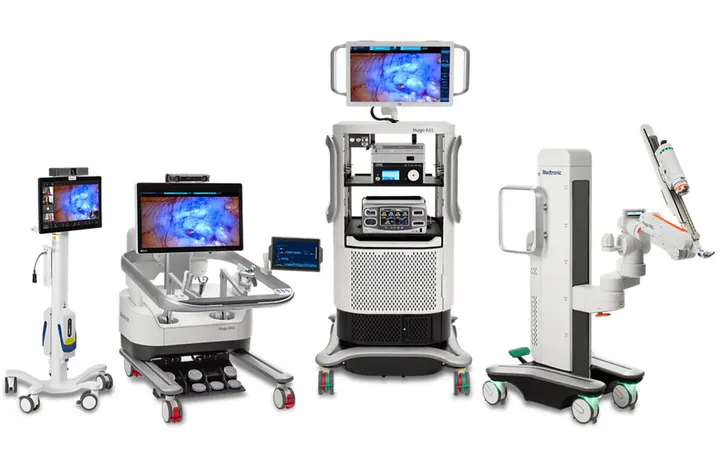
Medtronic’s Hugo surgical robot ready for bigger operation
Medtronic’s Hugo surgical robot features a modular design that allows surgeons to use only the robotic arms needed for any given procedure. | Source: Medtronic Medtronic this week announced the U.S. Food and Drug Administration (FDA) has cleared the Hugo robotic-assisted surgery system for use in general surgery procedures. The approval enables the modular, cart-based system to perform surgeries across the abdomen. The clearance covers all upper abdominal general surgical procedures, inclu
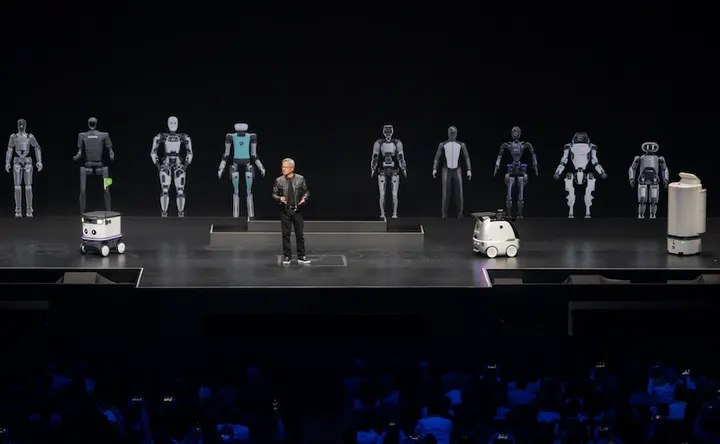
Robotics enters its post-Jensen Huang era
Jensen Huang keynote at CES 2025. | Credit: NVIDIA Days before Christmas in 2023, Serve Robotics was on the verge of bankruptcy. A major investor pulled out of a committed funding round, leaving the developer of sidewalk delivery robots unable to make payroll and just days away from running out of cash. With few options remaining, Serve Robotics co-founder and CEO Ali Kashani reached out to NVIDIA co-founder Jensen Huang. “We spoke at 6 a.m. the next day, and later that day I was having dinner w
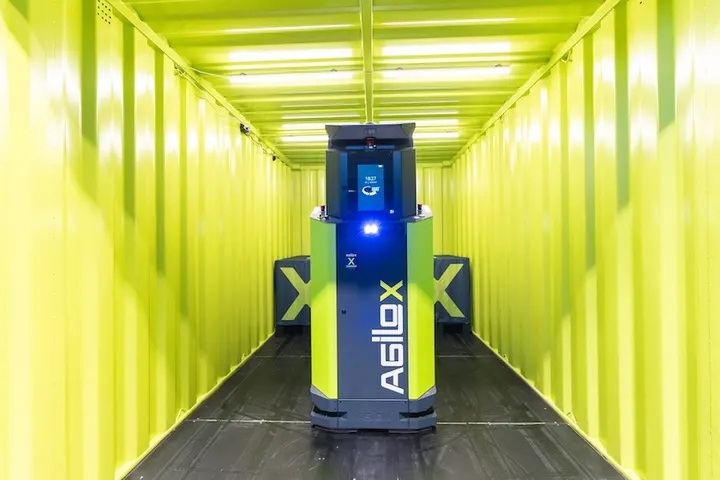
Rockwell Automation acquiring mobile robot maker AGILOX
An AGILOX mobile robot operating inside a container. | Credit: AGILOX Rockwell Automation has signed a definitive agreement to acquire AGILOX, an Austria-based developer of autonomous mobile robots (AMRs). Rockwell said the acquisition will more than double the size of its AMR business and complement its existing OTTO Motors portfolio. Financial terms of the acquisition were not disclosed. The deal is expected to close in the second quarter of Rockwell’s fiscal 2027, subject to regulatory
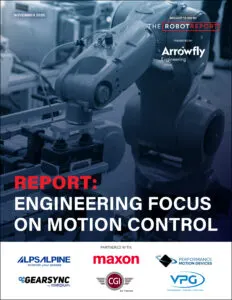
Special Report: Engineering Focus on Motion Control
Motion control is at the heart of every robotic system. From industrial robotic arms and autonomous mobile robots (AMRs) to humanoids, the ability to move with precision, efficiency, and reliability is critical to successful development and deployment. Developers must balance increasingly complex requirements around torque, speed, accuracy, weight, power consumption, and cost. Advances in motors, actuators, gearboxes, sensors, and software are helping engineers address these challenges and unloc
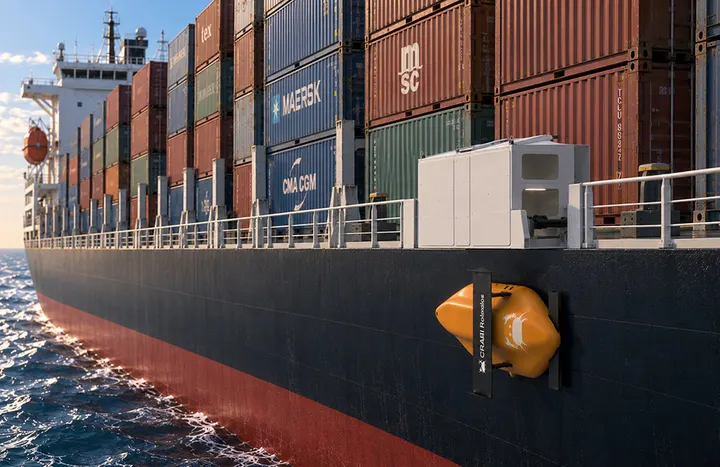
MassRobotics launching marine robotics facility on Boston Harbor
CRABI Robotics performs in-transit cleaning and inspection of marine vessels. | Source: MassRobotics MassRobotics is developing a marine robotics facility at the historic Boston Fish Pier. The new facility will marine technology startups a space to build, launch and test robots on Boston Harbor. Construction is underway through a partnership with the Massachusetts Port Authority (Massport). MassRobotics plans to open the facility in early 2028, with programming starting throughout 2027. “B
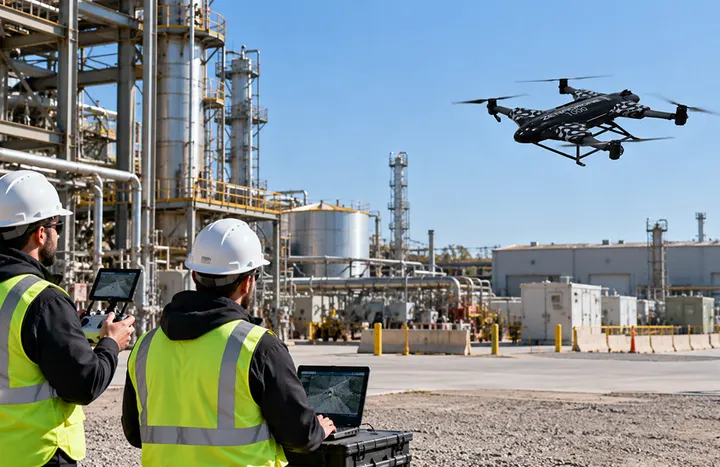
What industrial drone deployments reveal about real-world autonomy challenges
Supervised autonomous UAV inspection at an industrial facility. | Source: ZenaDrone An autonomous drone can complete a carefully planned inspection route in a controlled environment and still struggle with the same route at an operating industrial facility. A steel structure may obstruct satellite signals, reflective equipment may distort depth measurements, and a wind gust may push the aircraft outside its planned trajectory. Each disturbance can be manageable in isolation. The difficulty emerg