The differences between decentralized and centralized power in swarm robotics
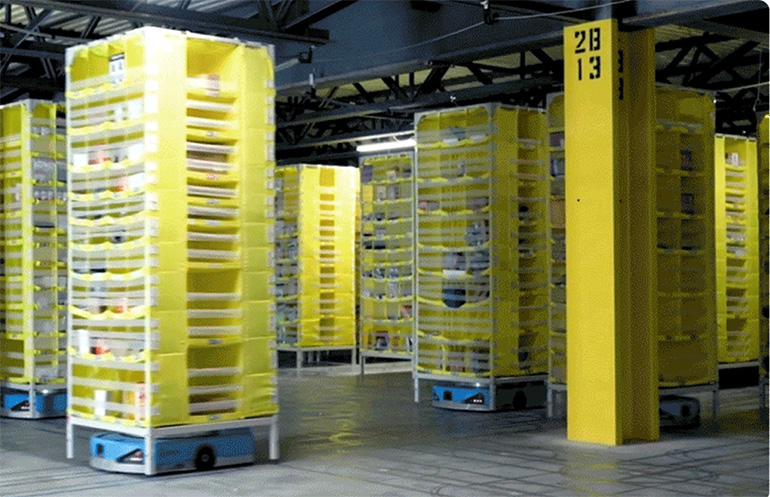
A small sample of Amazon’s vast deployed warehouse fulfillment fleet. Source: Amazon Swarm robotics systems rely on power architecture because energy distribution influences coordination efficiency and fault tolerance in multi-agent environments. Centralized models depend on unified infrastructure and coordinated energy management. Meanwhile, decentralized approaches distribute power control and operational decision-making across individual robotic units within the swarm. These architectural dif
Make your prediction
Will a decentralized swarm robotics deployment exceed 500 units in a single warehouse by November 30, 2026?
Resolves by Nov 30, 2026
Your prediction
50% · 50/50 coin flip
NOYES
Get smart on it
Swarm robotics systems coordinate multiple robotic agents to work together, and the way power and energy are managed significantly influences how well they operate. Power architecture comes in three main types: centralized models that use unified control systems to coordinate energy across all robots, decentralized models that distribute energy management to individual robots, and hybrid models that combine both approaches. Centralized systems work well in structured environments like warehouses because they optimize efficiency and synchronization, but they can create bottlenecks and fail if the central control breaks down. Decentralized systems are more resilient to failures and scale better, but as swarm size grows, the communication traffic between robots increases and can slow down coordination, which is why hybrid architectures are emerging to balance large-scale coordination with local adaptability.
Related news
Medtronic invests $700M in surgical partner Cornerstone Robotics
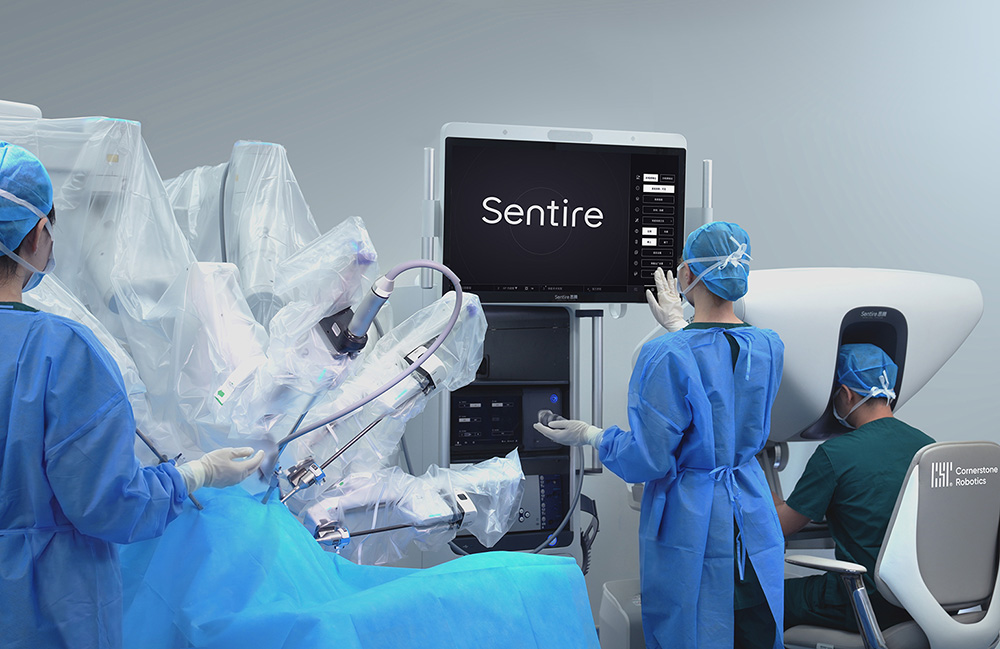
Sentire combines clinical workflows with integrated engineering, software, and imaging technologies. | Source: Cornerstone Robotics Medtronic PLC today announced a new partnership with Cornerstone Robotics Ltd. that includes a $700 million investment. Medtronic has also gained the rights to distribute Cornerstone Robotics’ Sentire surgical system in select markets outside the U.S. where the system is approved. Medtronic will distribute Sentire alongside its own Hugo robotic-assisted surger
JAKA hits Teradyne Robotics back over patent dispute
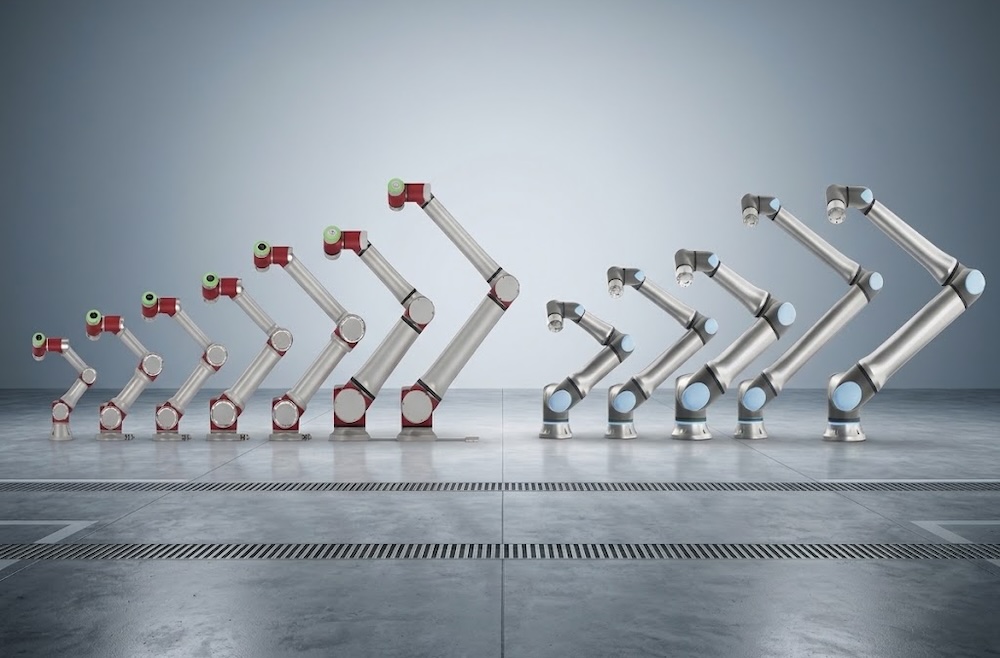
Collaborative robot arms from JAKA Robotics (left) and Universal Robots. Get the popcorn ready. The patent fight between Teradyne Robotics and JAKA Robotics has turned into a full-blown public brawl. Teradyne, parent company of Universal Robots, sued JAKA’s German subsidiary last week, alleging infringement of patents covering hardware and software used in its cobot arms. Today, JAKA hit back, saying it has gone to court seeking injunctive relief over what it calls Teradyne’s “false, misleading,