The 370-billion-dollar race: How integrated design can help humanoid manufacturers succeed in a rapidly growing market
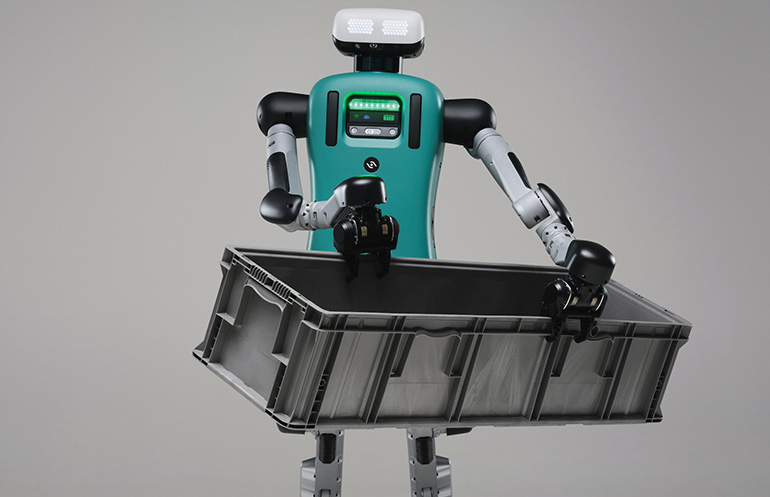
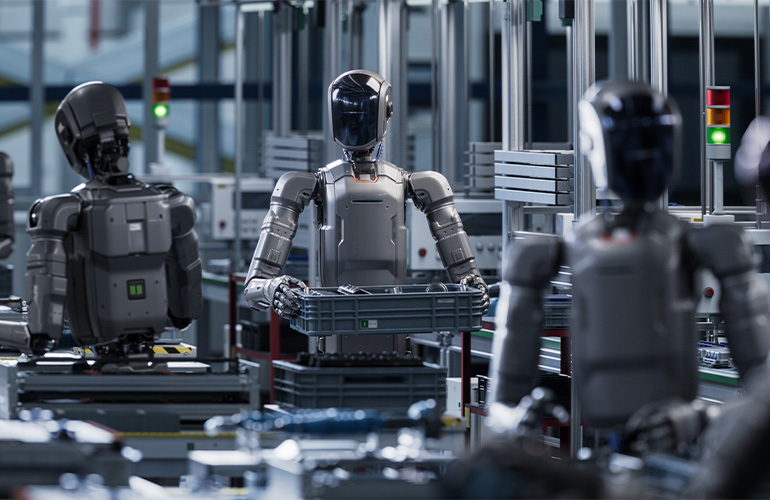
Imagine a manufacturing floor where robots don’t just repeat the same motion thousands of times but adapt to new tasks. They’re able to navigate cluttered spaces, manipulate unfamiliar objects and switch between tasks as fluidly as human workers. They can climb stairs, squeeze into tight assembly areas and collaborate seamlessly alongside people in environments designed for human bodies. This is the future of humanoid robotics, and it’s closer than most people realize. The implicati
Get smart on it
Humanoid robots capable of adapting to new tasks, navigating complex environments, and working alongside humans could transform manufacturing, warehouses, and hazardous work settings. The general-purpose robotics market, valued at under one billion dollars today, could reach 370 billion dollars by 2040 if current progress continues. Major technical challenges remain, including the coordination of dozens of articulated joints and the integration of mechanical design with simulation and control systems. Manufacturers that resolve design inefficiencies and move from concept to deployed robot faster will capture significant market share in this rapidly emerging sector.
Related news
Why robots that can’t communicate naturally won’t be adopted
For humanoid robots to operate in the real world, they’ll need more than a sense of sight. | Source: Adobe Stock At recent major tech events, humanoid robots were everywhere. Some of them walked, navigated, and manipulated objects with a level of dexterity that would have seemed unrealistic just a few years ago. And yet, despite all of this progress, I find myself consistently underwhelmed when I try to communicate with them at Treble. Supporting the development of advanced audio and voice

The Next Big Influencer Is This 4-Foot-Tall Robot From China
The Unitree G1 has found online fame as a relatively affordable robot that can charm a crowd. But can it ever hold down a real job?