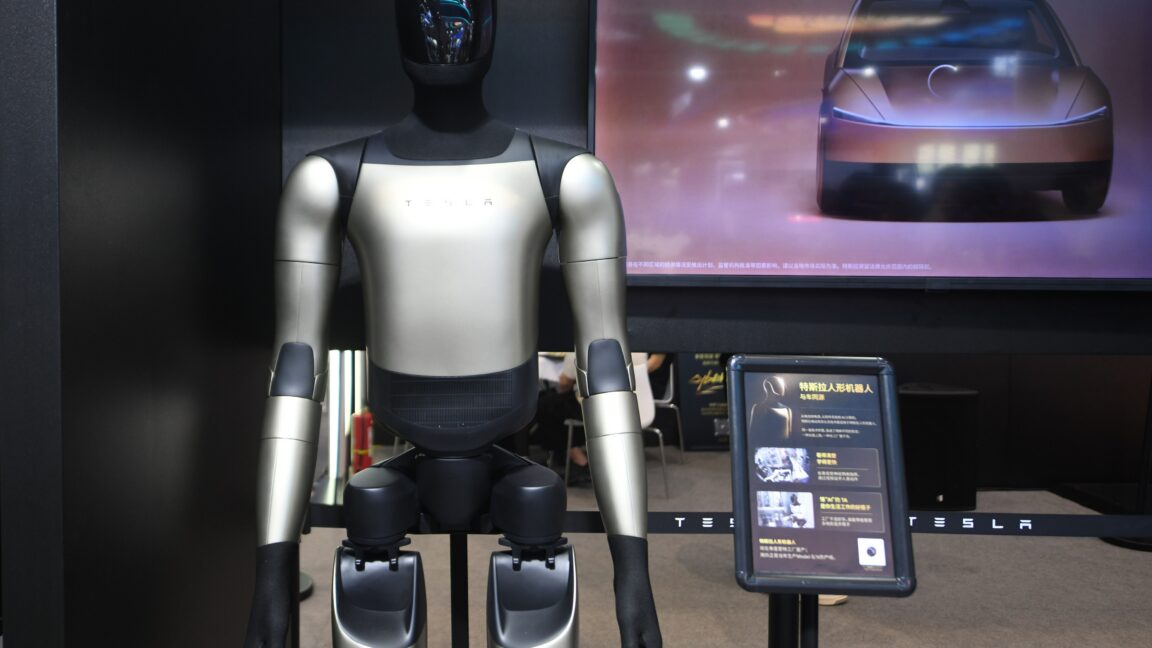
Tesla workers balk at training Optimus humanoid robots as replacements
Tesla’s pivot from making electric cars to humanoid robots is facing challenges because of complex robot hands and disgruntled employees pushing back against training their robotic replacements. The struggle to scale up production comes as Tesla CEO Elon Musk has bet the company’s future on AI and robotics. As someone who frequently makes claims that fail to materialize, Musk has described the Optimus humanoid robot as potentially “the biggest product ever” during Tesla’s second-quarter 2026 ear
Get smart on it
Tesla is transitioning from manufacturing vehicles to producing humanoid robots and aims to reach production of over 1,000 robots per week by the end of 2026, but factory workers have resisted training these robots because they recognize the machines are designed to eventually replace them. The company faces significant technical challenges including the complexity of creating robot hands with over 100 small components that require manual assembly, unreliable touch sensors, and insufficient AI capabilities that currently limit robots to performing only specifically programmed tasks in controlled environments. Tesla has had to shift from using workers wearing motion-capture suits to gather training data, instead assigning dedicated teams to collect the visual learning data needed to teach robots manual tasks. These manufacturing and technical obstacles occur as Tesla competes with automakers and robotics companies worldwide that are also developing humanoid robots, though the overall business case for such robots still needs to be proven through cost-effective, safe deployments.
Related news
How robotics and physical AI can responsibly tackle key physical security challenges
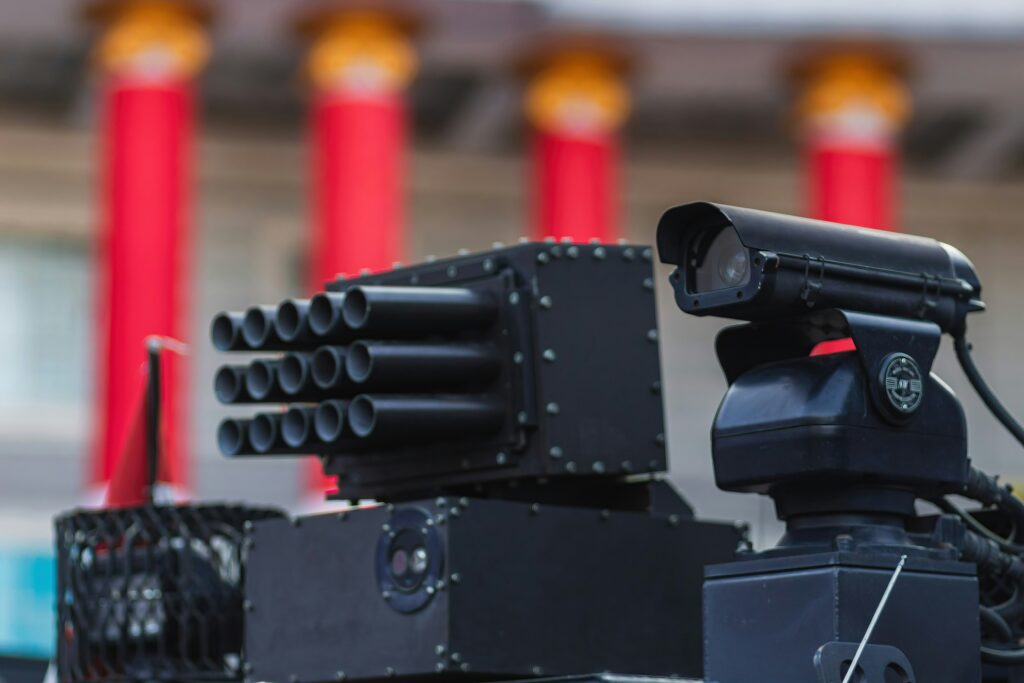
Security sensors in Yogyakarta, Indonesia. Credit: Krisna Azie, Unsplash Robotics and artificial intelligence are deeply intertwined technologies. Where the former serves as the “body,” the latter provides the “brain,” with organizations continuing to develop the technology from traditionally rigid machinery into smart, adaptive agents designed to enhance productivity and operational efficiency. In particular, the evolving sector of physical security can benefit from the
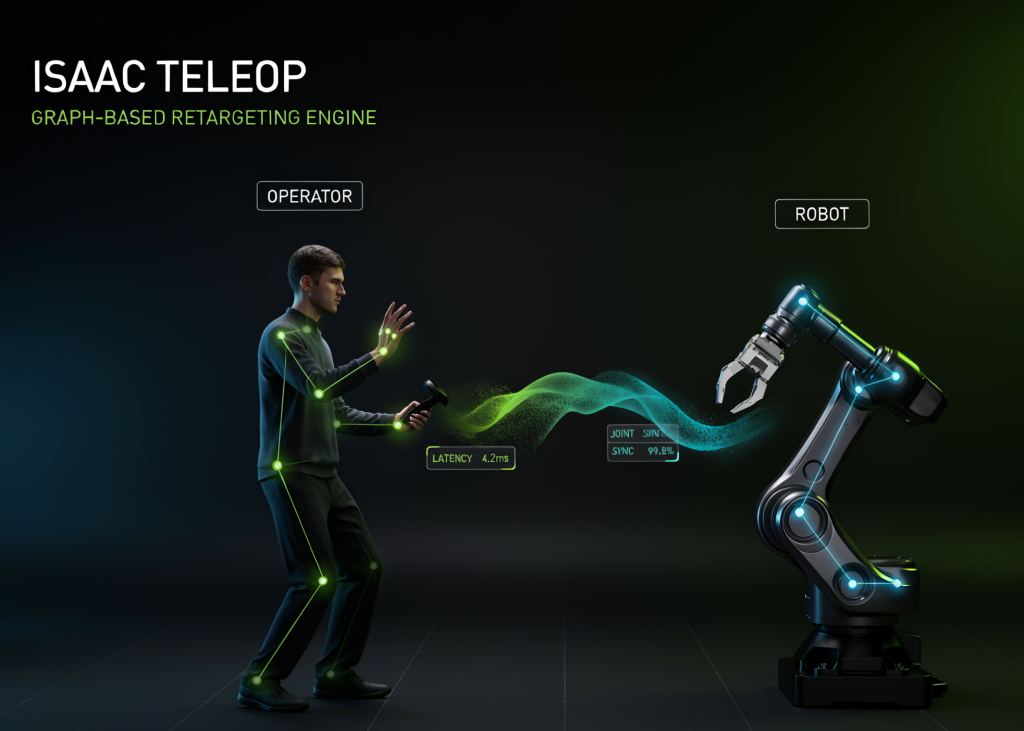
Inside NVIDIA’s IsaacTeleop: From Hand and Controller Tracking to Robot Actions with the Graph-Based Retargeting Engine
In this tutorial, we work through the retargeting engine at the core of NVIDIA IsaacTeleop, the framework that turns XR hand tracking and motion-controller input into commands for simulated and real robots. Rather than plugging in a headset, we build every input ourselves in NumPy, so each step runs on a plain Colab CPU and prints what it computes. We start with the type system every node speaks, generate synthetic hand and controller data, write our own retargeter with live-tunable parameters,