
Tesla shifts focus to autonomous driving subscriptions
Ars Technica: Tesla gave up the EV crown. Now it wants to win the autonomy race
Elon Musk’s “flying” Roadster jumped and flipped through the air this month in a stunt that went viral around the world. But his bigger bet is on changing the way Tesla makes money—and the wider car industry is scrambling to catch up. Five days after the spectacle, made possible by compressed-gas thrusters developed by Musk’s SpaceX, he revealed the companies were exploring a merger that could accelerate his push into autonomous driving. At stake is more than a technological race. Car groups, al
Get smart on it
Tesla is shifting its business strategy from relying primarily on vehicle sales toward generating recurring revenue through autonomous driving software subscriptions. The company's supervised version of this software has become its highest-margin business segment, with over 1.7 million active subscriptions globally, though it still requires human drivers to remain attentive. Traditional automakers are pursuing similar software-based revenue models because the margins from software and AI services are significantly higher than those from selling cars. Tesla faces intensifying competition from Chinese rivals in both electric vehicles and autonomous technology, while a potential merger with another company could provide additional resources to compete in AI development.
Relevant courses
Want to go deeper than the news? Explore live, cohort-based AI courses taught by practitioners.
Browse AI courses on MavenRelated news
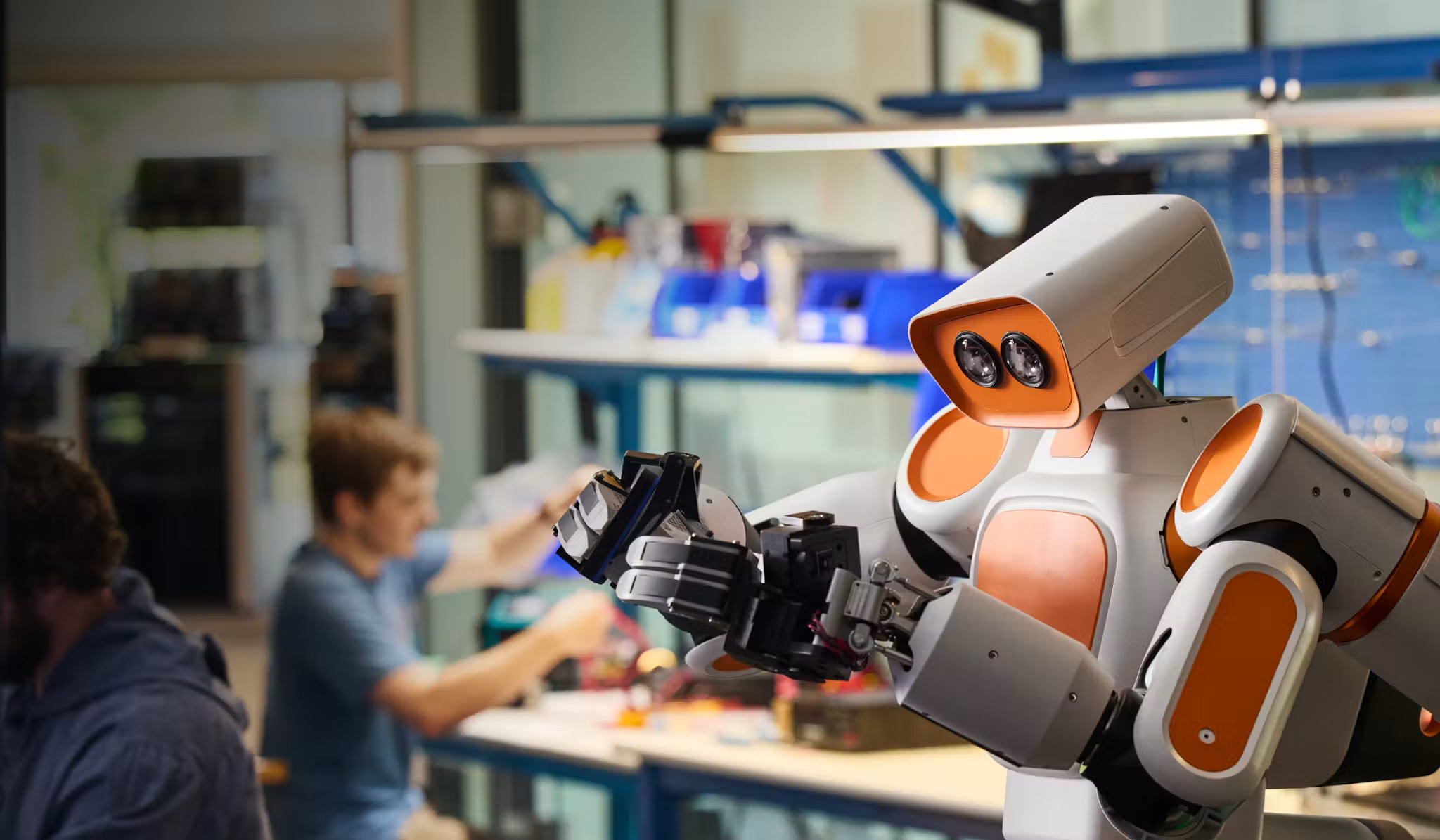
Toyota is betting $6.4 billion a year on humanoid robots and factory automation
Toyota wants to turn itself into a global robotics company, and it's betting on humanoid robots and factory automation to get there. The article Toyota is betting $6.4 billion a year on humanoid robots and factory automation appeared first on The Decoder.
Agility and GXO Logistics plan expanded deployment of Digit humanoid
Agility and GXO have been collaborating since 2023. Source: GXO Logistics Agility Robotics and GXO Logistics today said they are expanding their partnership to deploy Agility’s Digit humanoid robot in GXO sites in North Carolina and Tennessee. “GXO was the first customer to put Digit to work in live operations under a commercial agreement, and expanding to additional sites is the clearest signal that the value is real,” stated Peggy Johnson, CEO of Agility. “Customers are moving beyond asking wh
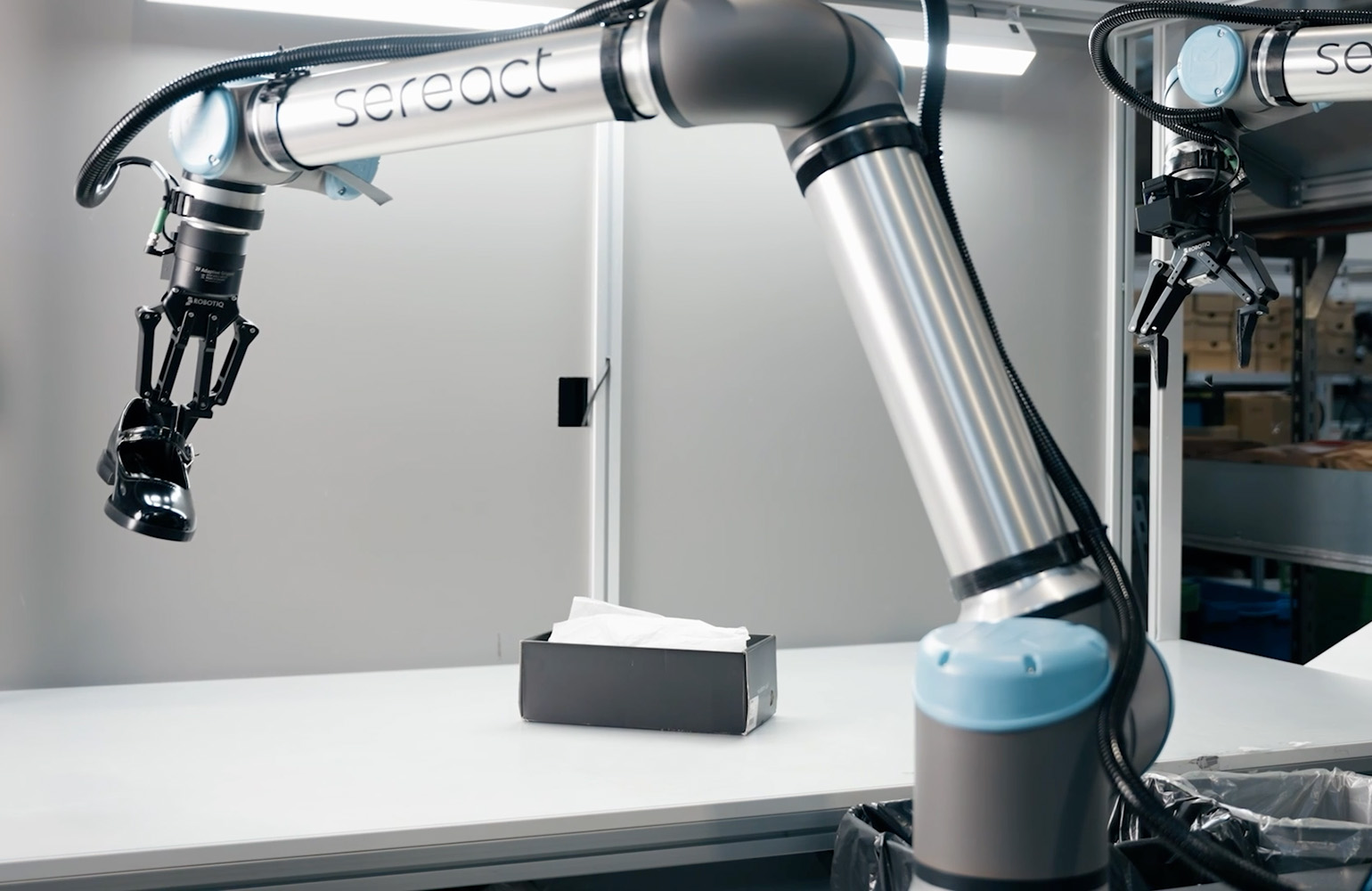
Teradyne Robotics partners with Sereact to scale physical AI in retail and logistics
At Zalando’s fulfillment centers in Germany and Poland, Sereact and Universal Robots now autonomously processes returned fashion items. | Source: Teradyne Robotics Teradyne Robotics, the company behind Universal Robots and Mobile Industrial Robots, last week partnered with Sereact. The companies aim to accelerate industrial AI solutions in retail, logistics and manufacturing. Through this partnership, Sereact’s Cortex physical AI platform runs robot arms from Universal Robots to give
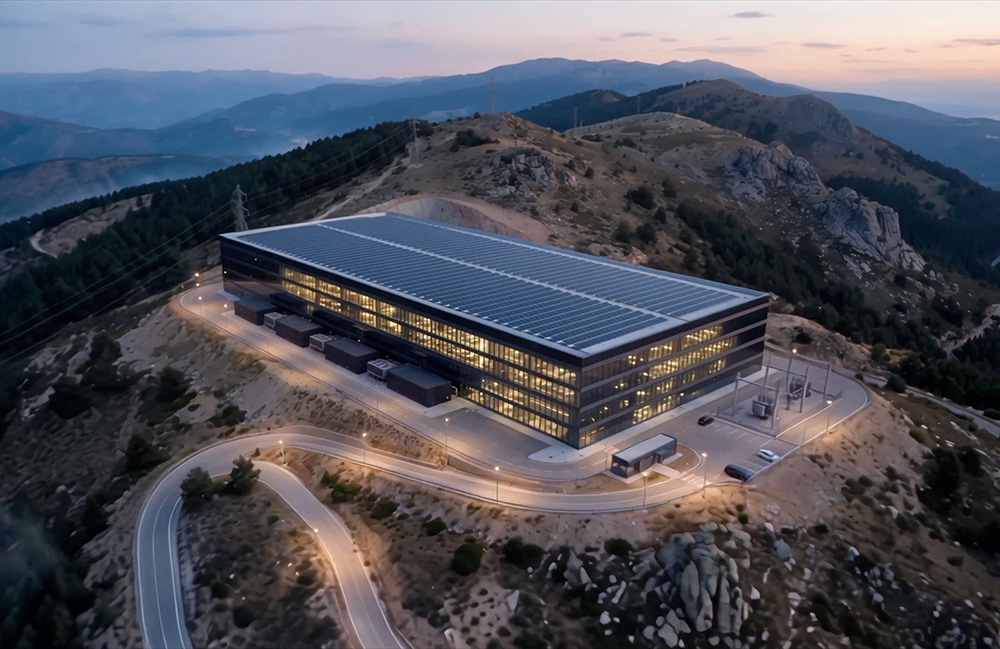
Generative Bionics to launch Physical AI Data Factory in Italy
The first Data Factory hub is set to become one of Europe’s largest physical AI training facilities for humanoid robots. | Source: Generative Bionics Generative Bionics this week announced plans to build a proprietary, multi-site “Physical AI Data Factory” in Italy. The company said the new 5,000-sq.-m (53,819.5-sq.-ft.) hub will help move humanoid robotics from laboratory demonstrations to reliable industrial deployment. In addition, Generative Bionics said it hopes to advance

Uber rival inDrive eyes 2027 robotaxi tests in Central Asia with Pony.ai and Nvidia
inDrive plans to begin testing Pony.ai's robotaxis in Kazakhstan's capital in the first half of 2027.
Dream Labs raises $90M and launches Dream API
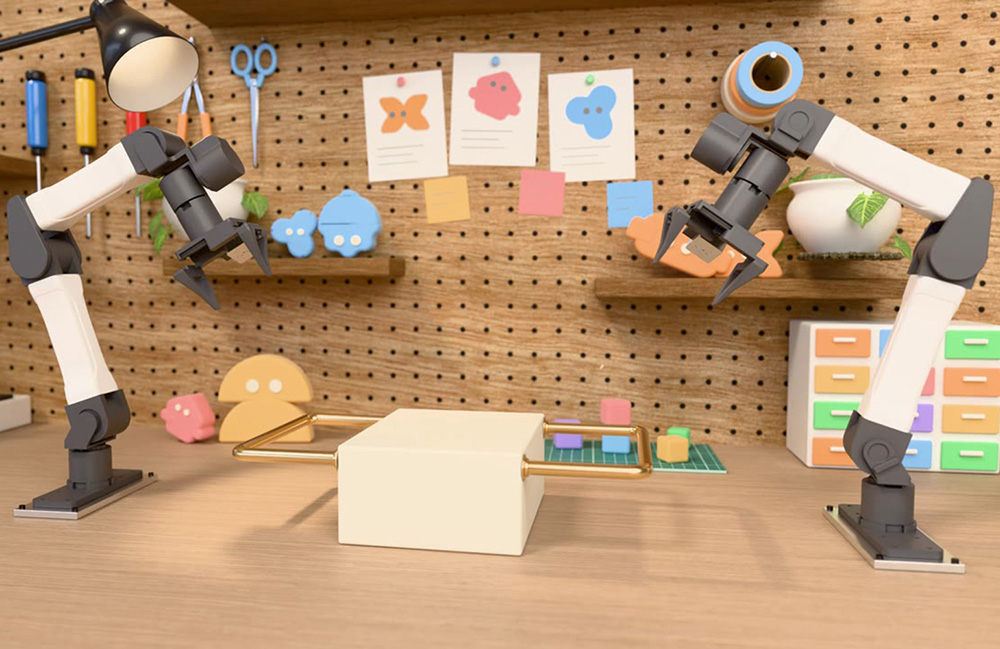
Dream Labs said its models learn how the physical world works from video and can control new robots without any data. | Source: Dream Labs More brains are coming for robots. Dream Labs this week said it has raised $90 million in seed funding. The company also launched Dream API, a publicly available application programming interface to turn a robot’s camera feed and a plain-English instructions into motor commands, even for robots it has never seen before. Factories worldwide run a record