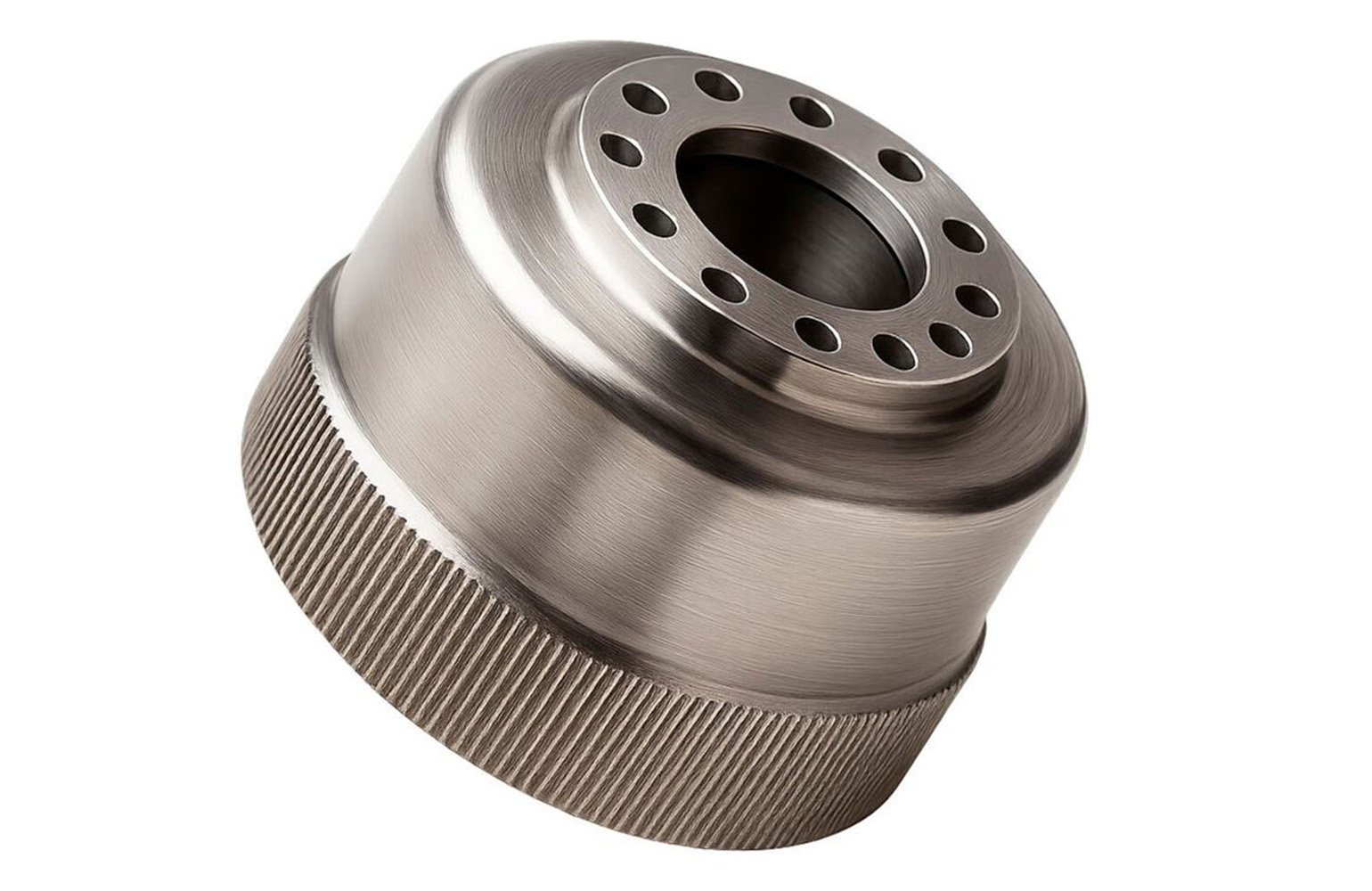
Schaeffler plans to mass produce gearboxes for humanoid robots in 2027
Schaeffler developer its formed strain wave gearboxes especially for humanoid robots. | Source: Schaeffler Schaeffler Technologies AG is expanding its humanoid robotics product portfolio with its latest formed strain wave gearboxes. The company said it has concluded the extensive validation testing of the gearboxes and will be ready to start manufacturing them at scale in 2027. Strain wave gearboxes are key components in actuators, which make up around half of the total costs of manufacturing a
Make your prediction
Will Schaeffler publicly confirm mass production of humanoid robot gearboxes has begun by end of 2027?
Resolves by Dec 31, 2027
Your prediction
50% · 50/50 coin flip
NOYES
Get smart on it
Schaeffler Technologies is planning to begin mass manufacturing strain wave gearboxes designed for humanoid robots in 2027, following completion of validation testing. Strain wave gearboxes are critical components in robot actuators that account for roughly half of humanoid robot manufacturing costs, and they enable precise movement transmission with high torque capacity in compact spaces. Rather than using conventional precision machining, which is time-consuming and capital-intensive, Schaeffler will employ a forming technology that shapes components through high pressing forces in seconds, reducing manufacturing costs by more than 25 percent and material consumption by more than 75 percent compared to traditional methods. The company brings decades of experience manufacturing strain wave gearboxes for the automotive industry, having supplied over 2 million units globally in the past 10 years.
Related news
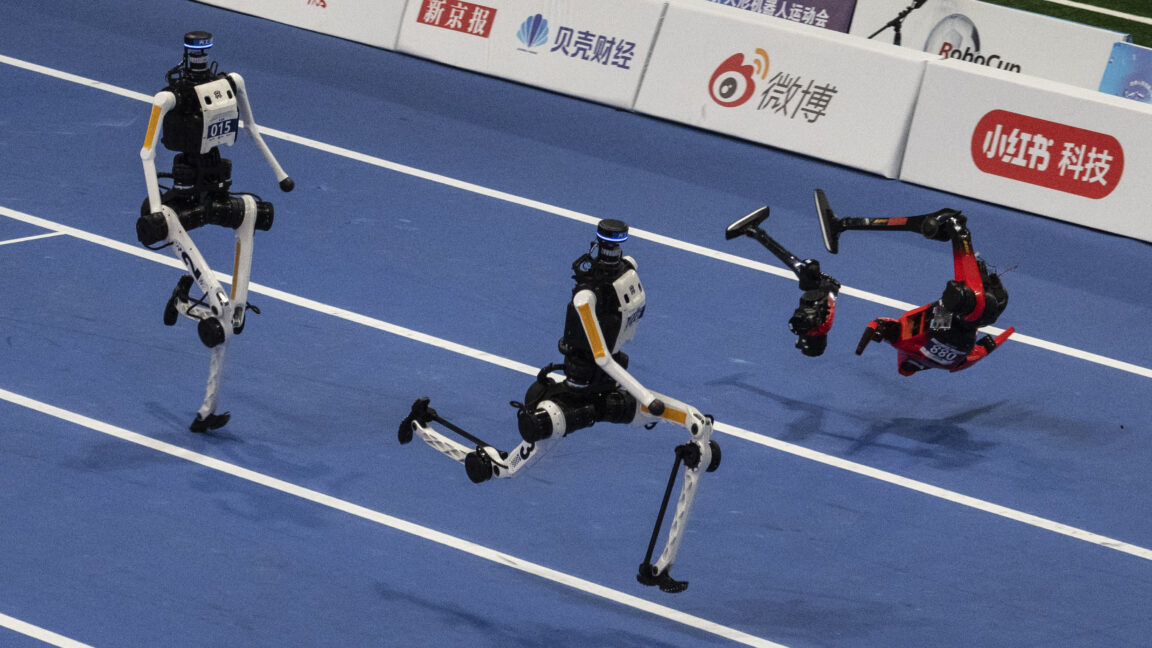
World humanoid robot games show runners breaking records, bursting into flames
Viral videos of the World Humanoid Robot Games show sprinting robots beating the human 100-meter record held by Usain Bolt—but also feature running robots crashing into barriers and falling down because they cannot readily stop running. A few fallen robots even break at the waist in a shower of sparks or catch on fire. That demonstration of both robotic prowess and limitations came from the second edition of the World Humanoid Robot Games hosted in Beijing from August 22–26. Like the inaugural e
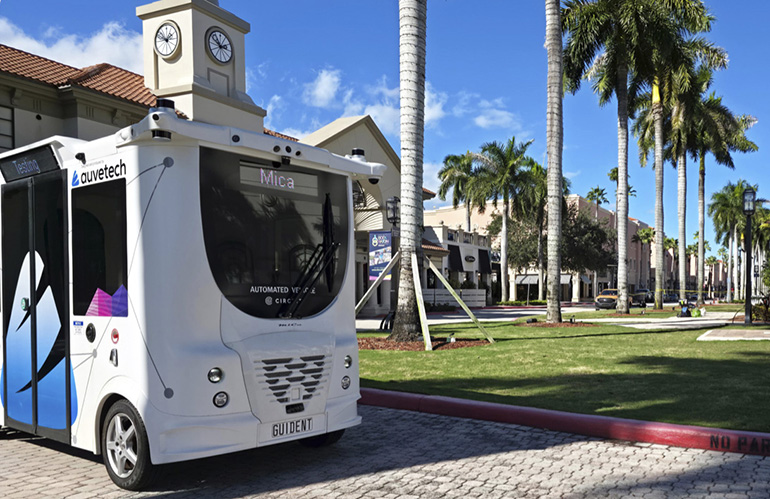
Humans in the loop are still needed for robotaxi fleet safety, says Guident
Guident launched autonomous shuttle service in Boca Raton, Fla., in November 2025. Source: Guident Robotaxi fleets are growing as self-driving vehicle companies start to roll out commercial services while still collecting data for further development and safety. For instance, Zoox Inc. this month began charging for rides in Las Vegas. The Foster City, Calif.-based Amazon subsidiary recently partnered with Uber as it expands to multiple cities. While Zoox has explained how it approaches safety fo