Runway introduces Praxis-1 world action model for robotics
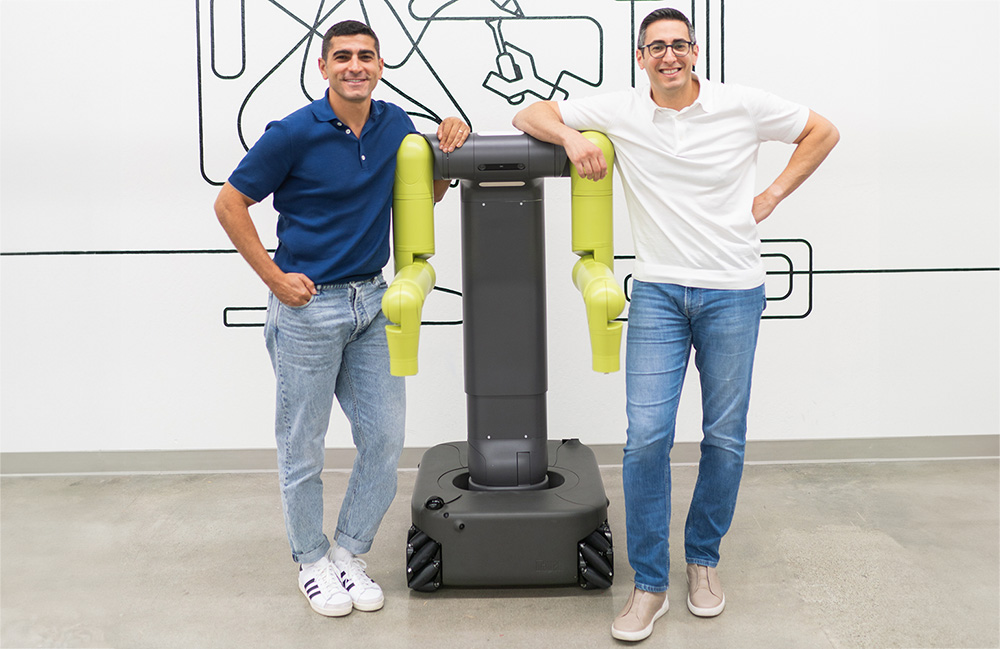
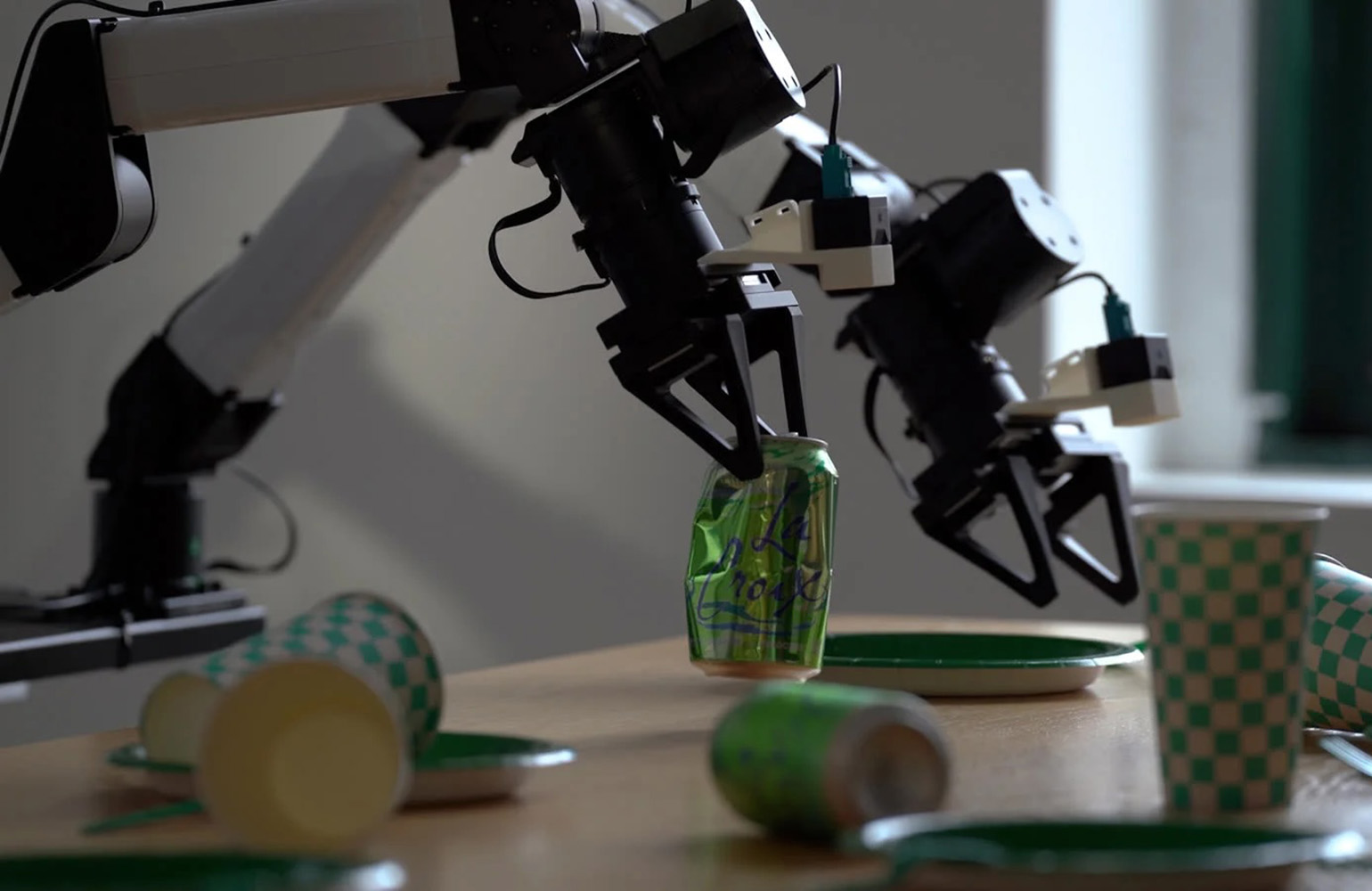
Runway said it is testing Praxis-1 on a variety of embodiments and environments to identify and close potential gaps before moving to general availability. | Source: Runway Runway AI Inc. this week introduced Praxis-1, an open-weight world action model that turns Runway’s video pretraining into control for robots. The company said it built Praxis-1 on the same large-scale video pretraining behind its general world models. “Most robot policies are bottlenecked by robot data, which is
Get smart on it
Runway AI has introduced Praxis-1, an open-weight world action model that uses video pretraining to enable robots to perform tasks. Rather than relying on scarce and expensive robot demonstration data, Praxis-1 learns from abundant third-party video to understand how objects behave and tasks unfold, with performance improving as more video data is available. The company has tested Praxis-1 with early partners across different robot types and is planning to release it publicly with open weights in the coming months. This approach addresses a key limitation in robot training, which has historically been bottlenecked by the scarcity of real-world robotics data.
Related news
Top 10 robotics stories of September 2026
September 2026 was a packed month for the robotics industry. Live events, including IMTS, ROSCon, and iROS, brought a flood of developments around automation and AI. This month, our top 10 is filled with new products, company launches, and major changes for some robotics companies. Here are the 10 most popular articles on The Robot Report in the past month. Subscribe to The Robot Report newsletter and listen to The Robot Report Podcast to stay up to date on the latest robotics news. 10. With th
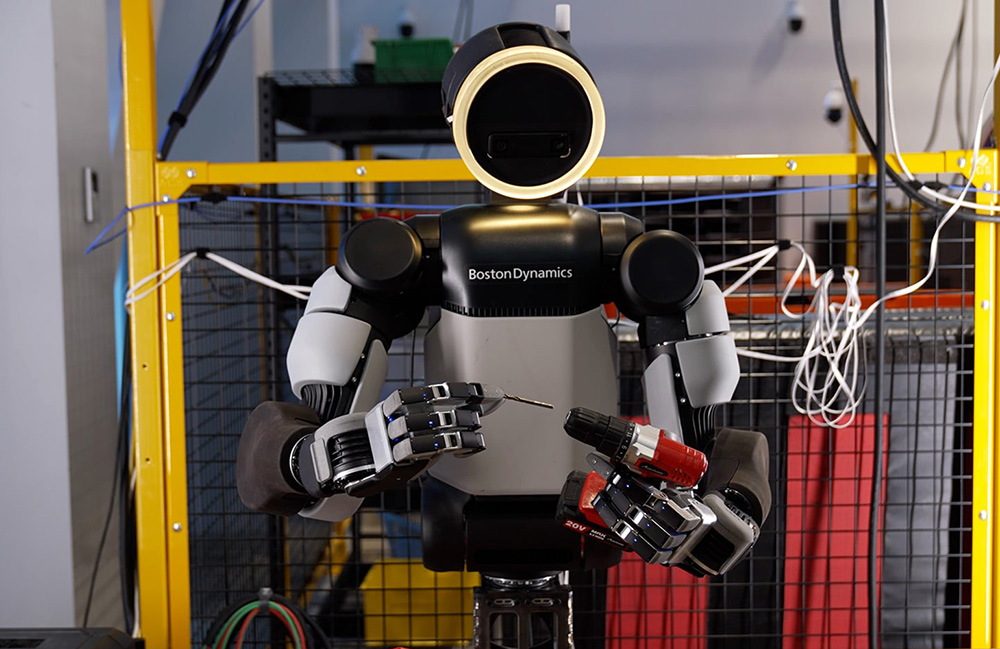
Boston Dynamics drops pinkie on new humanoid hand
Boston Dynamics said it didn’t set out to build a complicated hand, but instead a reliable one capable of using tools. | Source: Boston Dynamics Boston Dynamics today unveiled the newest hand for its Atlas humanoid. The hand has four fingers, 13 degrees of freedom (DOF), is directly actuated, and is designed for mass manufacturing. Previous versions of Atlas’ hand featured seven degrees of freedom and were designed to grasp a large variety of objects, Boston Dynamics said. With the l