Robots don’t run themselves: The workforce powering physical AI
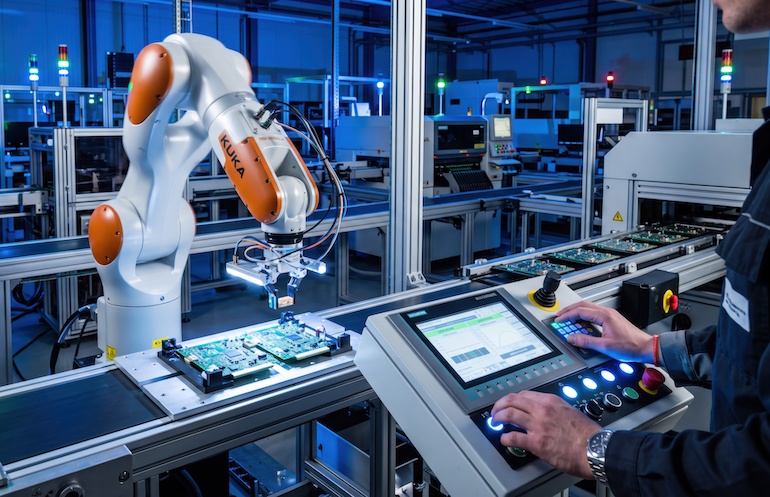
A hybrid human-robot workforce requires new metrics, according to HireArt. Source: Lee AI, via Adobe Stock As robotic systems move from pilots into scaled deployments, a pattern is becoming harder to ignore: The limiting factor is rarely the robot itself. It’s the workforce required to operate, maintain, and continuously adapt it in the real world. Most robotics programs begin with a familiar model—small, tightly coordinated teams supporting early deployments. Engineers are close to the system,
Make your prediction
Will a major robotics company publish a standardized human-robot workforce metric framework by December 31?
Resolves by Dec 31, 2026
Your prediction
50% · 50/50 coin flip
NOYES
Get smart on it
As robotic systems scale from small pilot projects to multiple sites across different shifts and environments, the limiting factor is increasingly the workforce needed to operate, maintain, and adapt them rather than the robots themselves. Physical AI deployments require a shift in labor strategy away from task-based gig work toward structured teams with trained operators and technicians who can handle safety protocols, escalation procedures, and real-world problem-solving in dynamic conditions. Companies are moving toward hybrid workforce models that combine a stable core of hourly employees responsible for standard operations alongside flexible surge capacity for new launches and specialized work. Success in scaling robotics depends on organizational design that can reliably scale human judgment alongside machine intelligence across multiple sites and unpredictable real-world conditions.
Related news
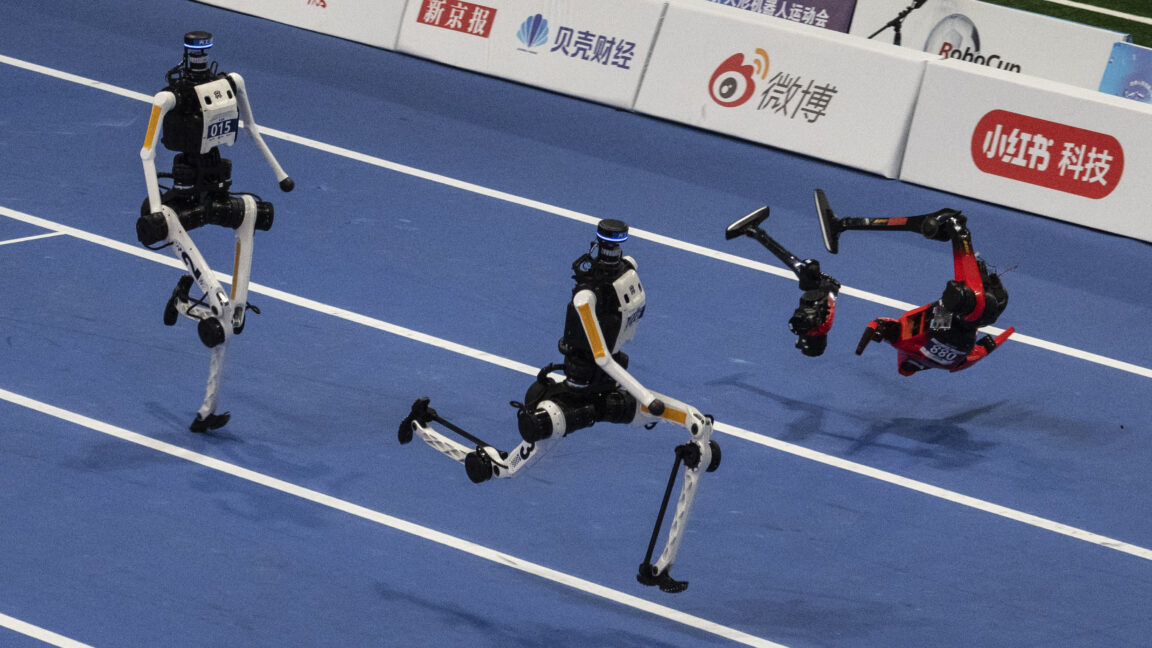
World humanoid robot games show runners breaking records, bursting into flames
Viral videos of the World Humanoid Robot Games show sprinting robots beating the human 100-meter record held by Usain Bolt—but also feature running robots crashing into barriers and falling down because they cannot readily stop running. A few fallen robots even break at the waist in a shower of sparks or catch on fire. That demonstration of both robotic prowess and limitations came from the second edition of the World Humanoid Robot Games hosted in Beijing from August 22–26. Like the inaugural e
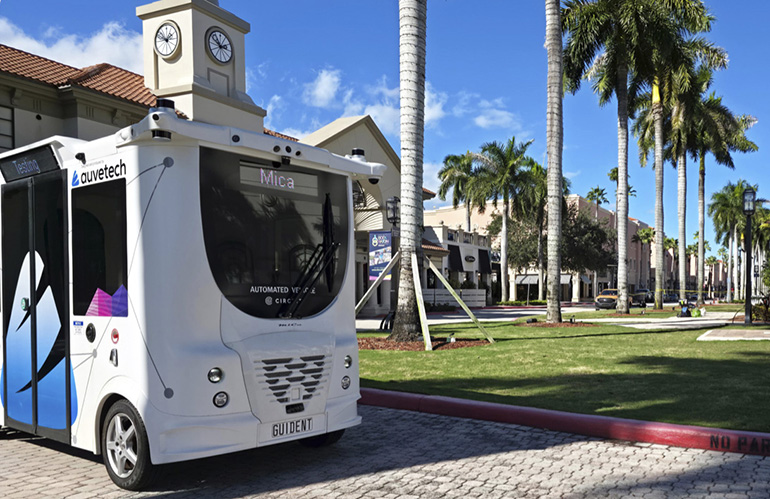
Humans in the loop are still needed for robotaxi fleet safety, says Guident
Guident launched autonomous shuttle service in Boca Raton, Fla., in November 2025. Source: Guident Robotaxi fleets are growing as self-driving vehicle companies start to roll out commercial services while still collecting data for further development and safety. For instance, Zoox Inc. this month began charging for rides in Las Vegas. The Foster City, Calif.-based Amazon subsidiary recently partnered with Uber as it expands to multiple cities. While Zoox has explained how it approaches safety fo