Robonomics on the threshold: Economic autonomy, smart cities, and crypto wallets for humanoids
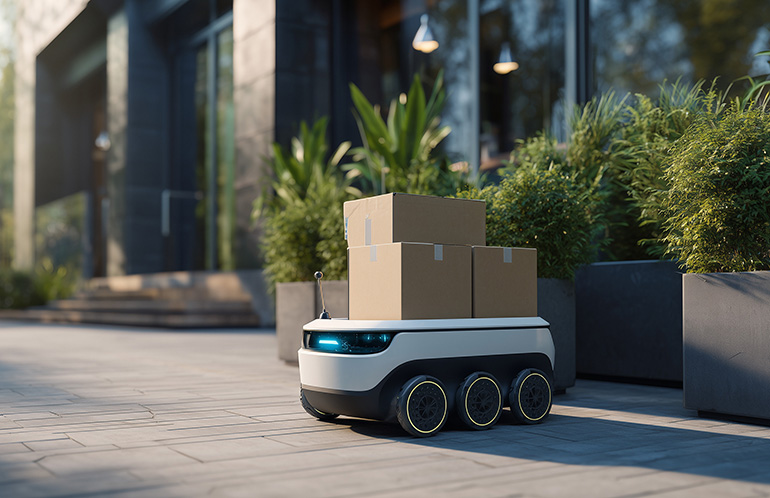
From smart cities to cryptocurrency, economic factors will determine how robot fleets scale. Source: Lmi Stock Studio AI, via Adobe Stock Capital itself is a sufficient form of robot governance, hypothesized analysts at the AI Robotics Alliance of America, or AIRA, Summit in June. The essence is in the comprehensive reduction of transaction costs by granting machines autonomy, they suggested. But as soon as we move from theory to practice, we hit a wall of fundamental questions, noted analyst Se
Get smart on it
Robonomics examines how economic systems could govern robot fleets as they scale from factories to homes and cities. The core challenge involves fundamental questions about pricing, legal responsibility, and payment systems for autonomous machines operating in consumer markets rather than controlled industrial settings. Key tensions exist between those promoting cryptocurrency wallets as a solution for robot economic autonomy and those questioning whether legal systems can assign responsibility when complex robots malfunction or fail to complete tasks. Additional obstacles include the need for reliable verification systems to confirm robot actions, the high costs of hardware development compared to software prototyping, and growing consumer demand for decentralized devices that don't depend on corporate cloud platforms.
Related news
How robotics and physical AI can responsibly tackle key physical security challenges
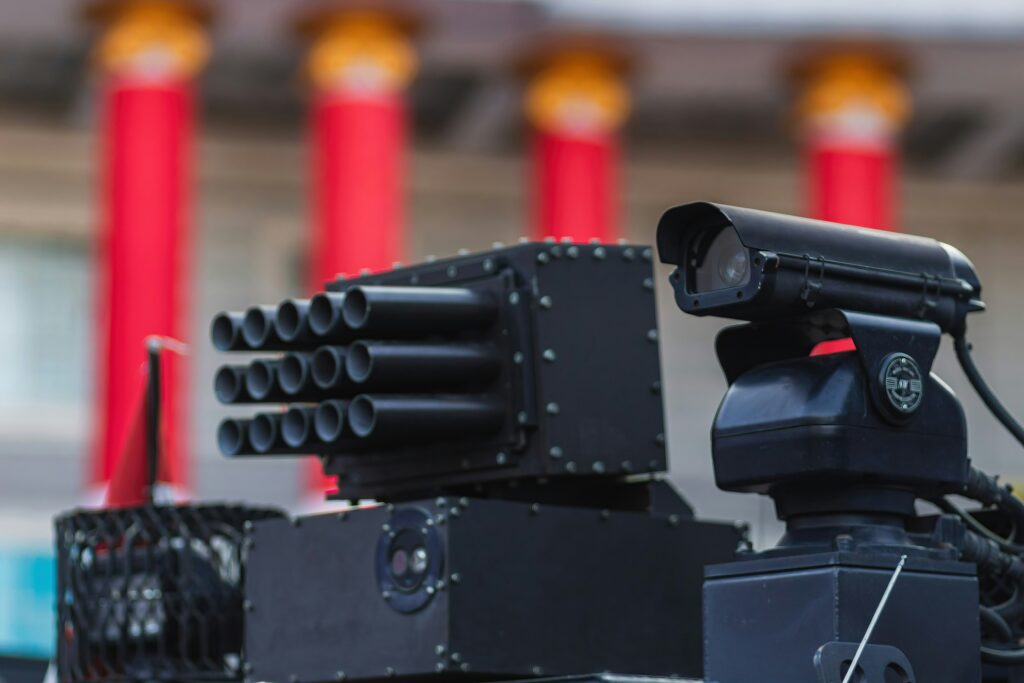
Security sensors in Yogyakarta, Indonesia. Credit: Krisna Azie, Unsplash Robotics and artificial intelligence are deeply intertwined technologies. Where the former serves as the “body,” the latter provides the “brain,” with organizations continuing to develop the technology from traditionally rigid machinery into smart, adaptive agents designed to enhance productivity and operational efficiency. In particular, the evolving sector of physical security can benefit from the
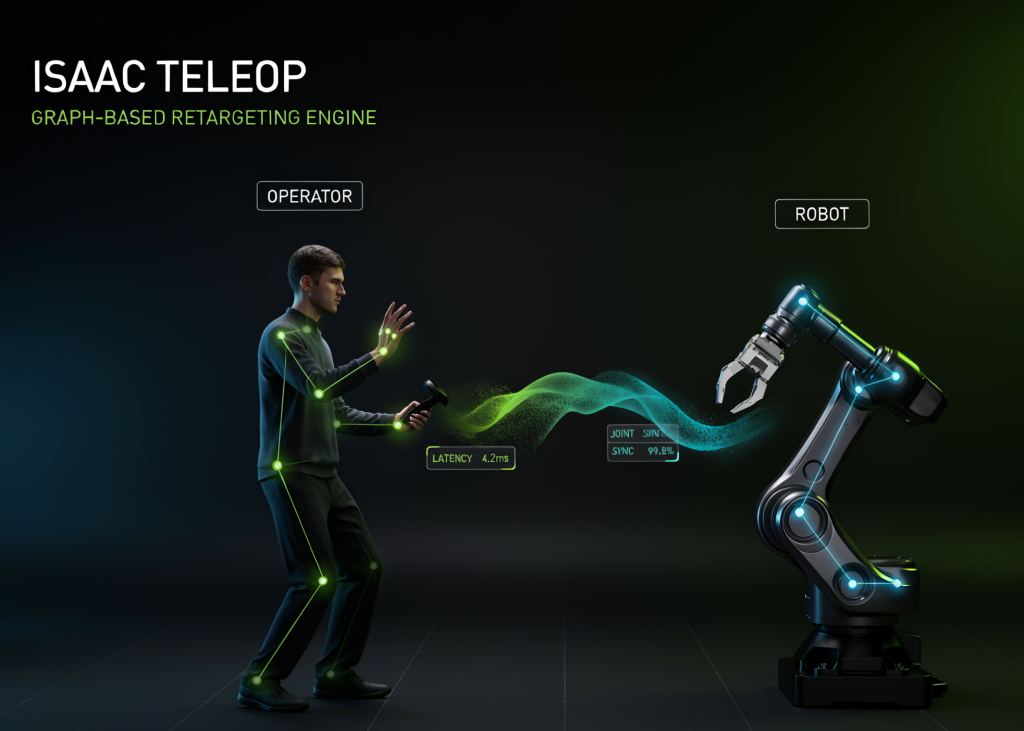
Inside NVIDIA’s IsaacTeleop: From Hand and Controller Tracking to Robot Actions with the Graph-Based Retargeting Engine
In this tutorial, we work through the retargeting engine at the core of NVIDIA IsaacTeleop, the framework that turns XR hand tracking and motion-controller input into commands for simulated and real robots. Rather than plugging in a headset, we build every input ourselves in NumPy, so each step runs on a plain Colab CPU and prints what it computes. We start with the type system every node speaks, generate synthetic hand and controller data, write our own retargeter with live-tunable parameters,