Raise Robotics to discuss scaling field robots at RoboBusiness
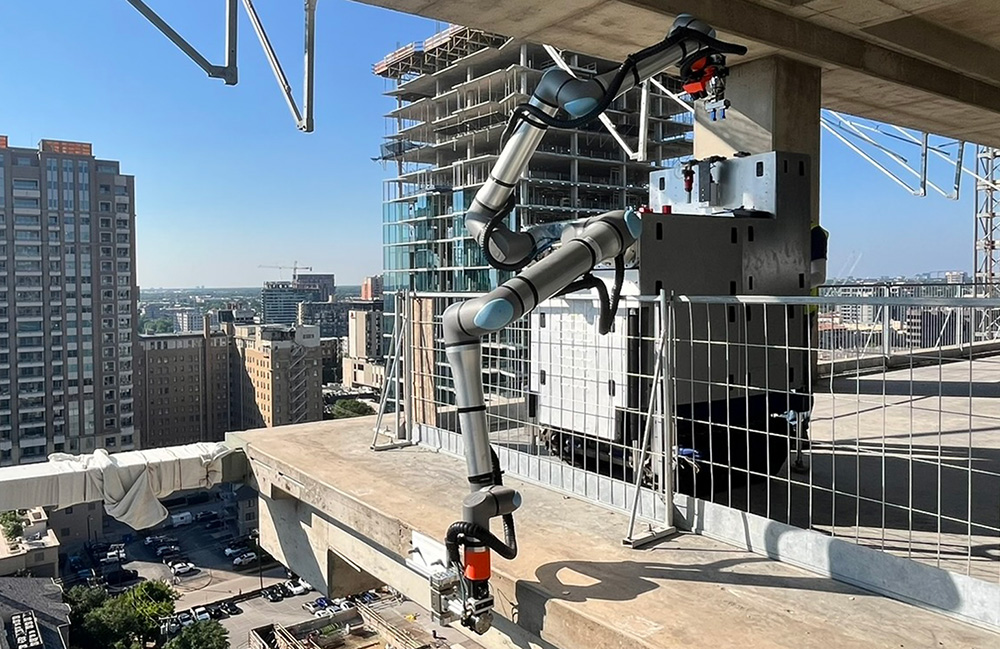
The Autonomous Mobile Fabricator operates as a ground-level AGV or mounts directly onto any Genie MEWP platform. | Source: Raise Robotics Most autonomous systems work in the lab and stall in the field. An early-stage construction robot reaches a customer at roughly 80% of the capability that the customer needs. Whether that program crosses to 120% is not a hardware problem; it’s a leadership decision. Where do you spend finite engineering capacity, and where do you build operator discipline inst
Get smart on it
Raise Robotics will present a framework at RoboBusiness for deciding how to scale field robots from early prototypes to full commercial deployment. The company has completed construction robot projects with over 4,500 robot-hours and zero safety incidents, generating practical insights about which problems require engineering fixes versus operator training solutions. The presentation will address two common failure modes: sampling bias, where initial test sites don't represent future ones, and margin stacking, where tolerances compound across interconnected systems until performance degrades. Attendees will learn a decision rule for allocating engineering resources and identifying pre-mobilization requirements that prevent field programs from stalling.
Related news
How robotics and physical AI can responsibly tackle key physical security challenges
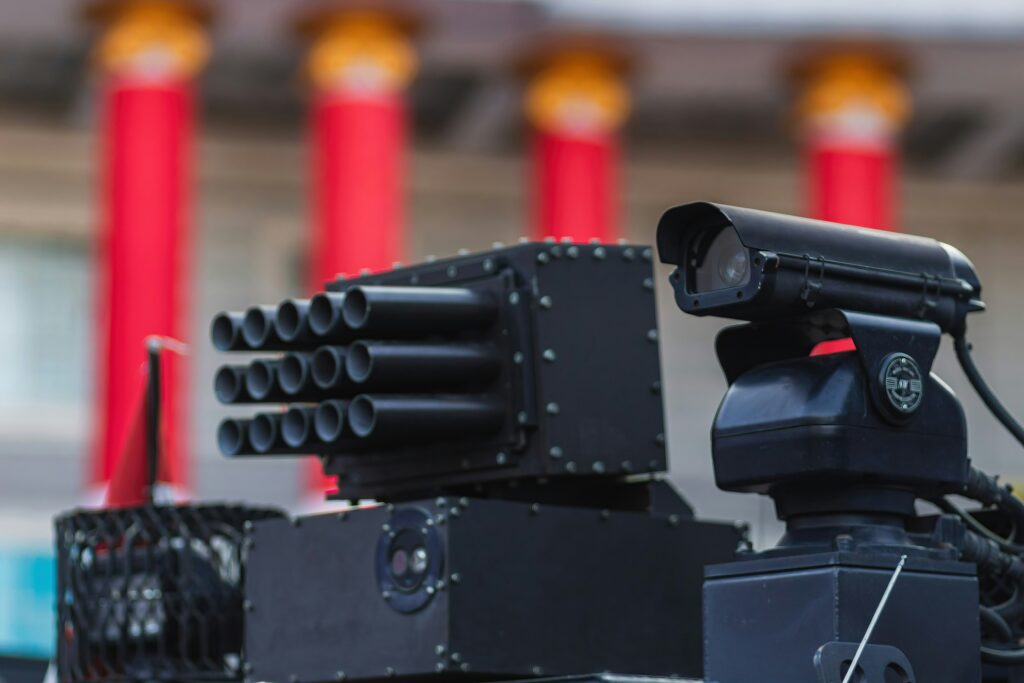
Security sensors in Yogyakarta, Indonesia. Credit: Krisna Azie, Unsplash Robotics and artificial intelligence are deeply intertwined technologies. Where the former serves as the “body,” the latter provides the “brain,” with organizations continuing to develop the technology from traditionally rigid machinery into smart, adaptive agents designed to enhance productivity and operational efficiency. In particular, the evolving sector of physical security can benefit from the
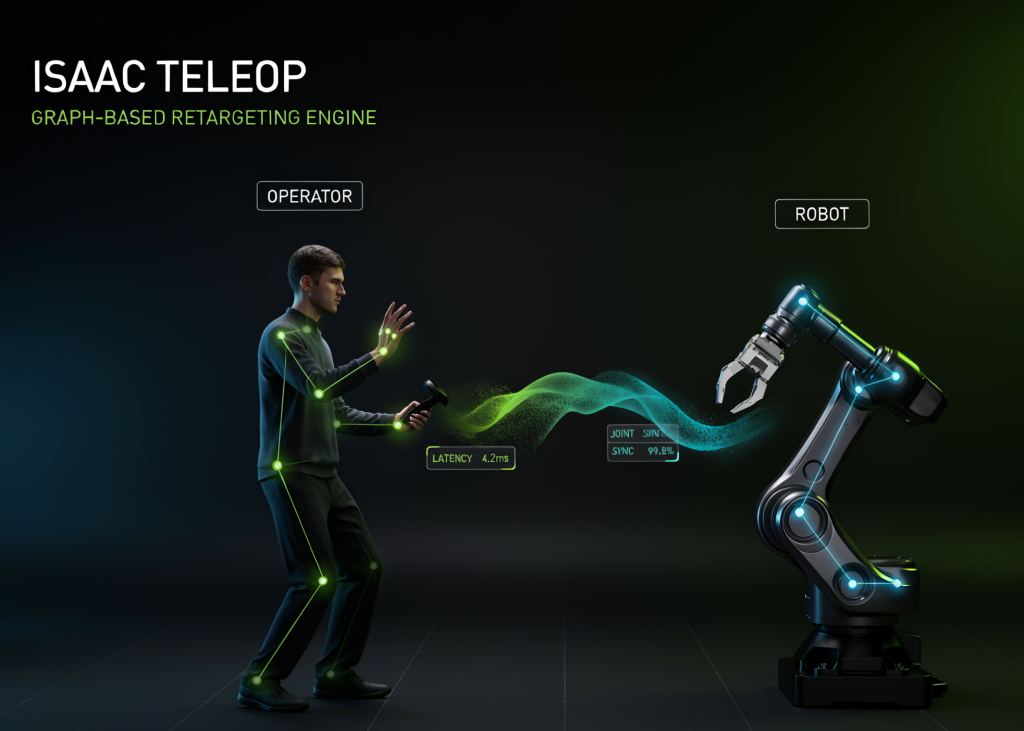
Inside NVIDIA’s IsaacTeleop: From Hand and Controller Tracking to Robot Actions with the Graph-Based Retargeting Engine
In this tutorial, we work through the retargeting engine at the core of NVIDIA IsaacTeleop, the framework that turns XR hand tracking and motion-controller input into commands for simulated and real robots. Rather than plugging in a headset, we build every input ourselves in NumPy, so each step runs on a plain Colab CPU and prints what it computes. We start with the type system every node speaks, generate synthetic hand and controller data, write our own retargeter with live-tunable parameters,