Precision In Motion. Vishay Precision Group, Inc. (VPG) to Showcase Custom Sensing Capabilities for Humanoid Robotics at RoboBusiness 2026
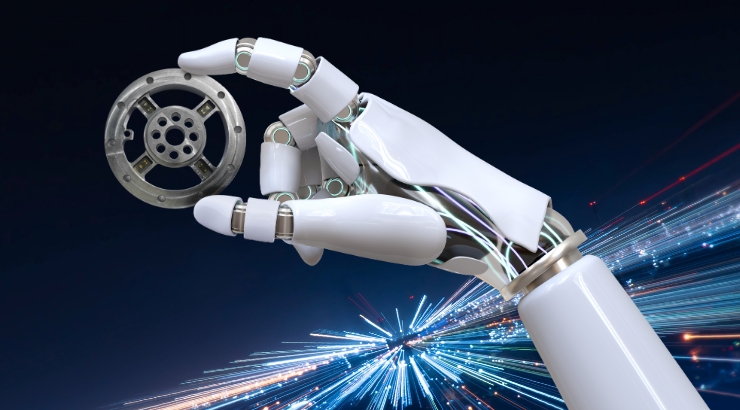
As humanoid robots move from research labs into factories, warehouses, homes, and other shared spaces, accurate physical feedback becomes crucial. These machines are designed to mimic human dexterity, balance, and decision-making, but they need precise, real-time feedback from their environment to work well in unpredictable situations. At RoboBusiness, Vishay Precision Group, Inc. (VPG) will present its expertise in custom force and torque sensing solutions designed to address the complex mecha
Get smart on it
Humanoid robots moving into real-world environments like factories and warehouses need precise physical feedback from force and torque sensors to interact safely with their surroundings and handle unpredictable situations. Unlike stationary industrial robots operating in controlled spaces, humanoid robots must navigate changing environments and multiple contact points, requiring custom-built sensors integrated into their structure rather than standard off-the-shelf components that are often too large, lack multi-axis measurement, and reduce signal accuracy. Vishay Precision Group will showcase strain gage-based force and torque sensing solutions at RoboBusiness 2026 designed for specific applications like miniature tactile sensors for fingertips, multi-axis sensors for joints, and torque sensors for moving limbs. The company offers complete engineering support from requirements definition through production to help robotics manufacturers move from prototype to large-scale production.
Related news
Top 10 robotics stories of September 2026
September 2026 was a packed month for the robotics industry. Live events, including IMTS, ROSCon, and iROS, brought a flood of developments around automation and AI. This month, our top 10 is filled with new products, company launches, and major changes for some robotics companies. Here are the 10 most popular articles on The Robot Report in the past month. Subscribe to The Robot Report newsletter and listen to The Robot Report Podcast to stay up to date on the latest robotics news. 10. With th
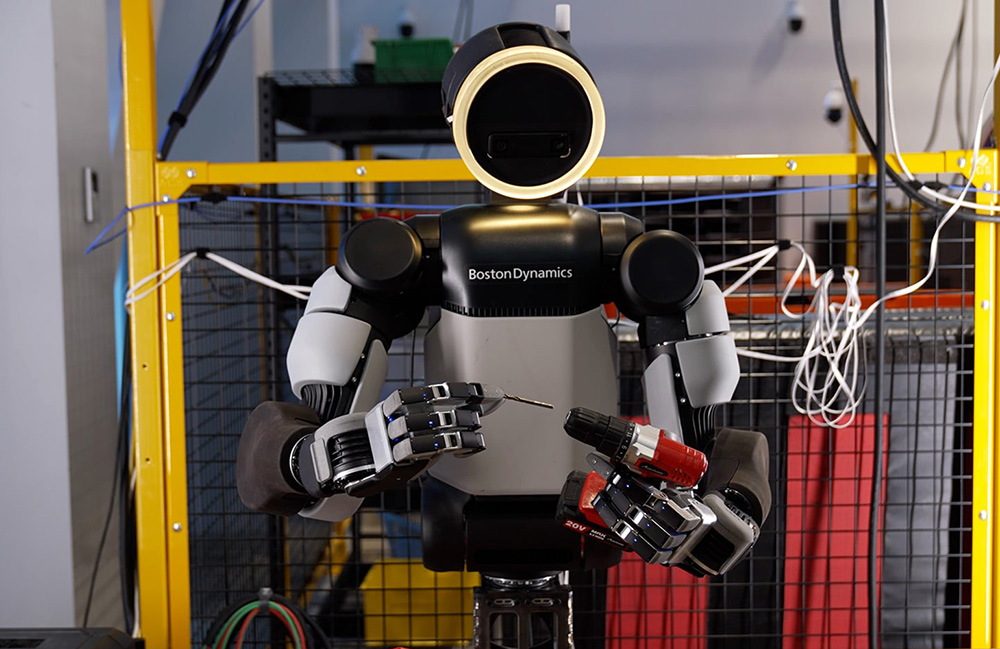
Boston Dynamics drops pinkie on new humanoid hand
Boston Dynamics said it didn’t set out to build a complicated hand, but instead a reliable one capable of using tools. | Source: Boston Dynamics Boston Dynamics today unveiled the newest hand for its Atlas humanoid. The hand has four fingers, 13 degrees of freedom (DOF), is directly actuated, and is designed for mass manufacturing. Previous versions of Atlas’ hand featured seven degrees of freedom and were designed to grasp a large variety of objects, Boston Dynamics said. With the l