Isaac ROS 5.0 brings AI agents to robotics development, says NVIDIA
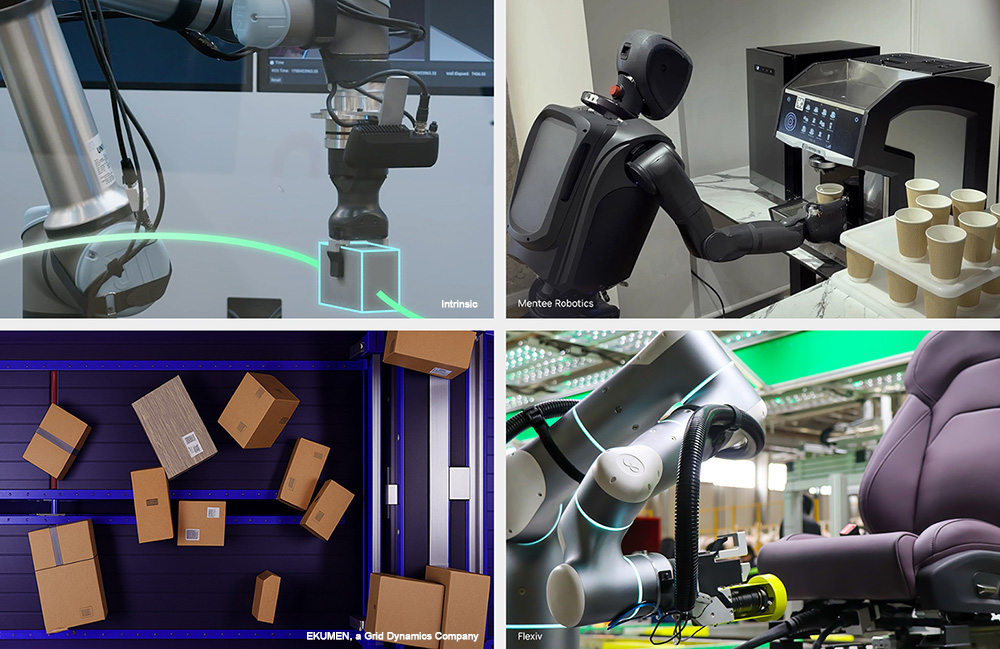
Isaac ROS 5.0 is already being used by companies including Intrinsic, Mentee Robotics, EKUMEN, and Flexiv. | Source: NVIDIA NVIDIA Corp. today released Isaac ROS 5.0, its latest collection of GPU-accelerated packages built on the Robot Operating System open framework. The company announced the release at the ROSCon conference in Toronto. The release brings new agentic workflows and platform support to help developers build, customize, and deploy robotics applications faster. “The goal is to make
Get smart on it
NVIDIA released Isaac ROS 5.0, a collection of GPU-accelerated software packages designed to help developers build robotics applications using the open-source Robot Operating System framework. The new version introduces AI agents that can automate repetitive development tasks like environment setup and fine-tuning, along with new tools for object detection and manipulation workflows. The release addresses what NVIDIA describes as friction points in robotics development, such as complex setup processes and lengthy deployment timelines. Isaac ROS 5.0 is already being used by multiple companies and includes support for the latest ROS 2 platform and Ubuntu operating system, allowing developers to accelerate demanding robotics workloads using GPU computing.
Related news
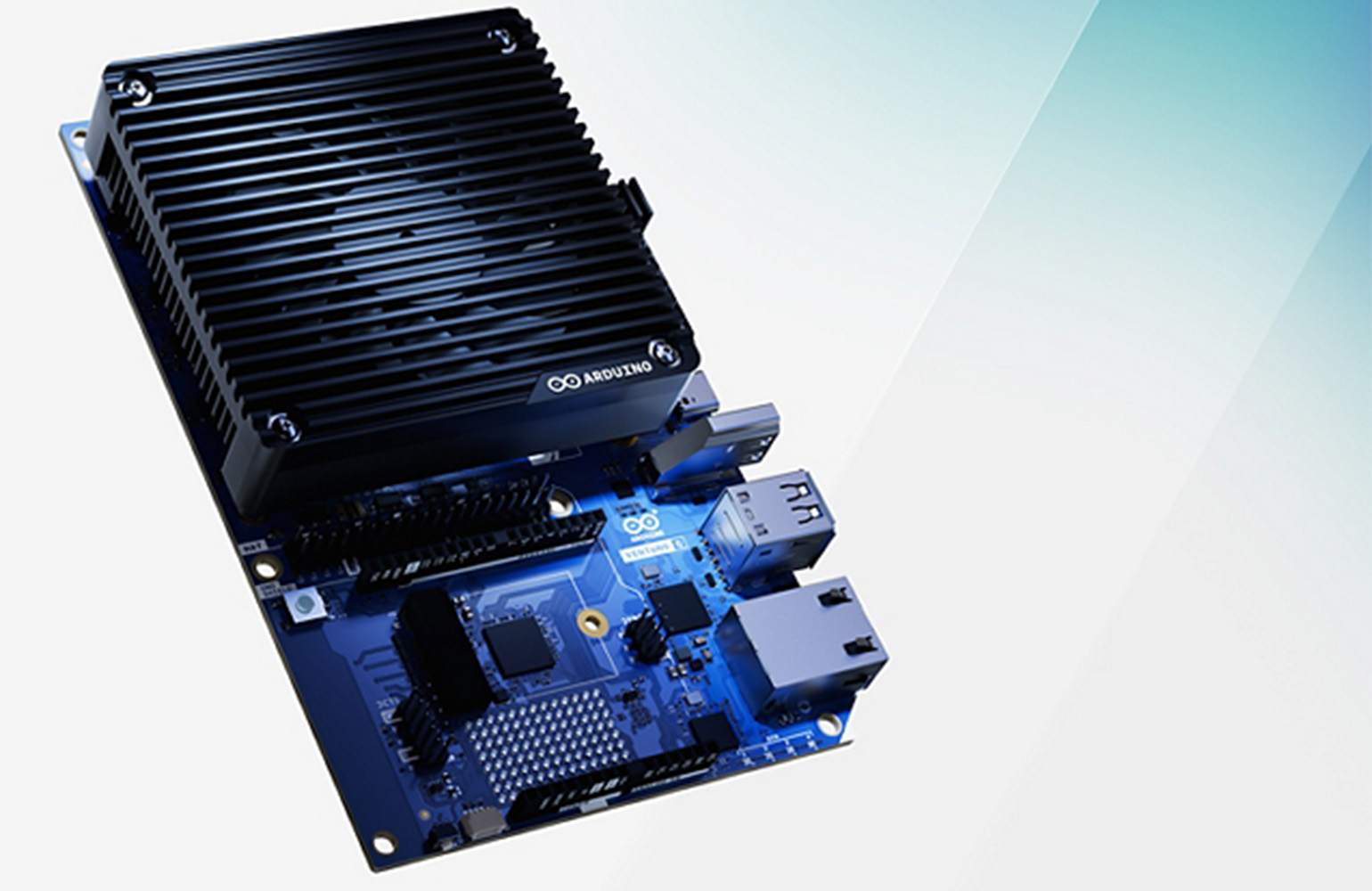
With the new VENTUNO Q board, Arduino hopes to make robotics development easier
Arduino VENTUNO Q’s dual-brain architecture pairs a Qualcomm Dragonwing IQ8 Sprocessor with a real-time STM32H5 microcontroller. | Source: Qualcomm Arduino S.r.l., a subsidiary of Qualcomm Technologies Inc., recently opened pre-orders for VENTUNO Q, a edge AI platform powered by the Qualcomm Dragonwing IQ8 Series. Arduino built the board for developers, prioritizing familiarity and ease of use with the right software, accessories, and extensions. While this is Arduino’s first intenti
How to Use NVIDIA Warp and MjWarp to Accelerate Robotics Simulation and Learning Workflows
Faster simulation tools could help roboticists train autonomous systems more efficiently by compressing months of testing into weeks.