Intel to discuss the infrastructure needed to scale physical AI at RoboBusiness
Intel’s Robotics AI Suite is an open development platform for physical AI on Intel Core and Intel Core Ultra processors. | Source: Intel AI is moving from digital environments into the physical world, where robots and autonomous systems must sense, reason, and act in real time. For robotics developers, this shift creates a new challenge, according to Intel Corp. Now, success isn’t defined by model performance alone, but by the ability to deploy AI into systems that are responsive, re
Get smart on it
AI is moving from digital environments into the physical world, requiring robots and autonomous systems to sense, reason, and act in real time. For robotics developers, this shift means success now depends on deploying AI into systems that are responsive, reliable, safe, and scalable, rather than just achieving strong model performance. At an upcoming conference, an Intel executive will discuss the infrastructure needed to transition physical AI from prototype to production, including open, edge-first architectures that integrate perception, sensor fusion, motion planning, control, and real-time AI across different hardware and software environments. The session will address why robotics innovation requires a practical deployment foundation supporting flexibility and interoperability across manufacturing, logistics, field robotics, humanoids, and autonomous systems.
Related news
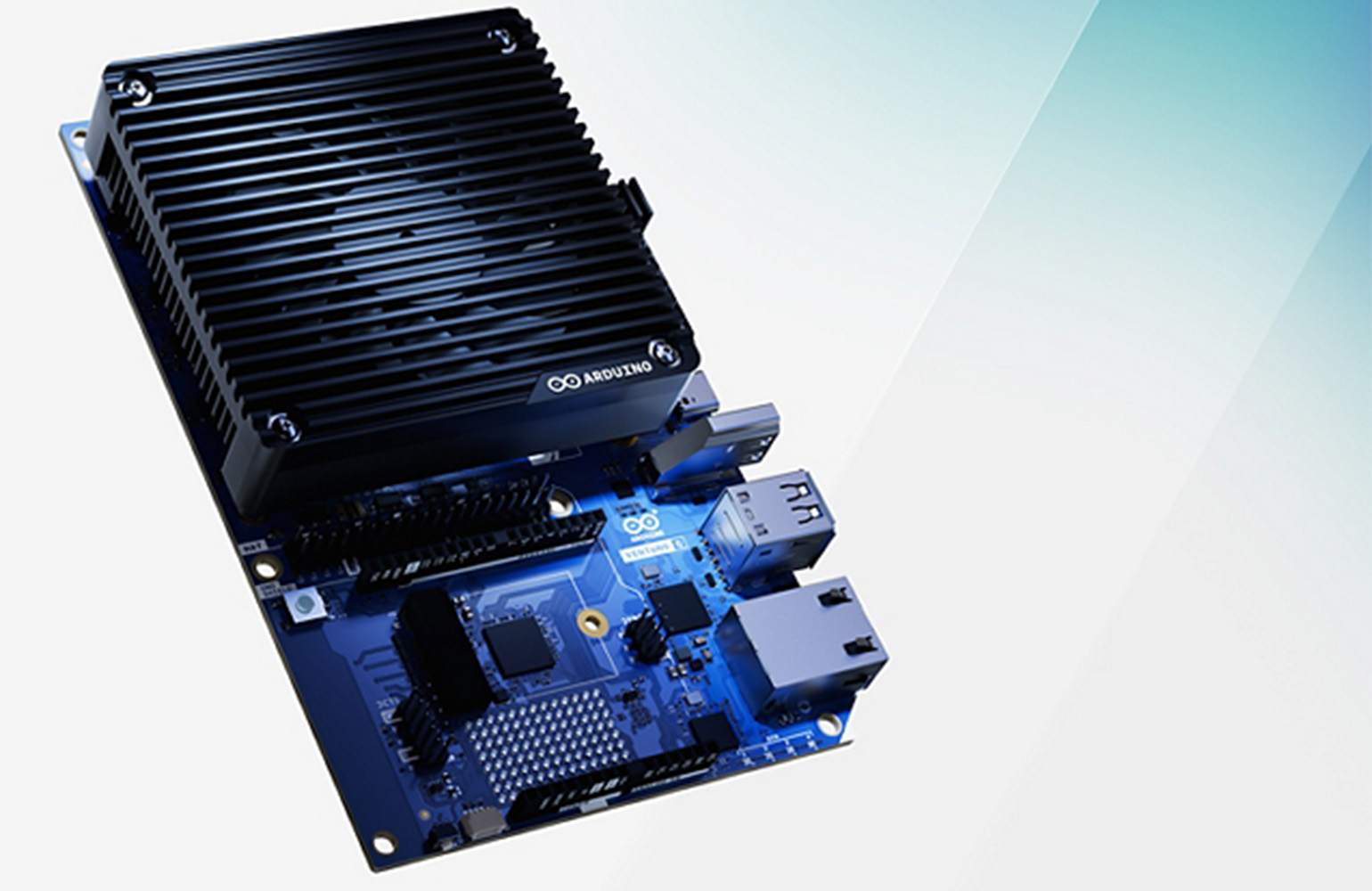
With the new VENTUNO Q board, Arduino hopes to make robotics development easier
Arduino VENTUNO Q’s dual-brain architecture pairs a Qualcomm Dragonwing IQ8 Sprocessor with a real-time STM32H5 microcontroller. | Source: Qualcomm Arduino S.r.l., a subsidiary of Qualcomm Technologies Inc., recently opened pre-orders for VENTUNO Q, a edge AI platform powered by the Qualcomm Dragonwing IQ8 Series. Arduino built the board for developers, prioritizing familiarity and ease of use with the right software, accessories, and extensions. While this is Arduino’s first intenti
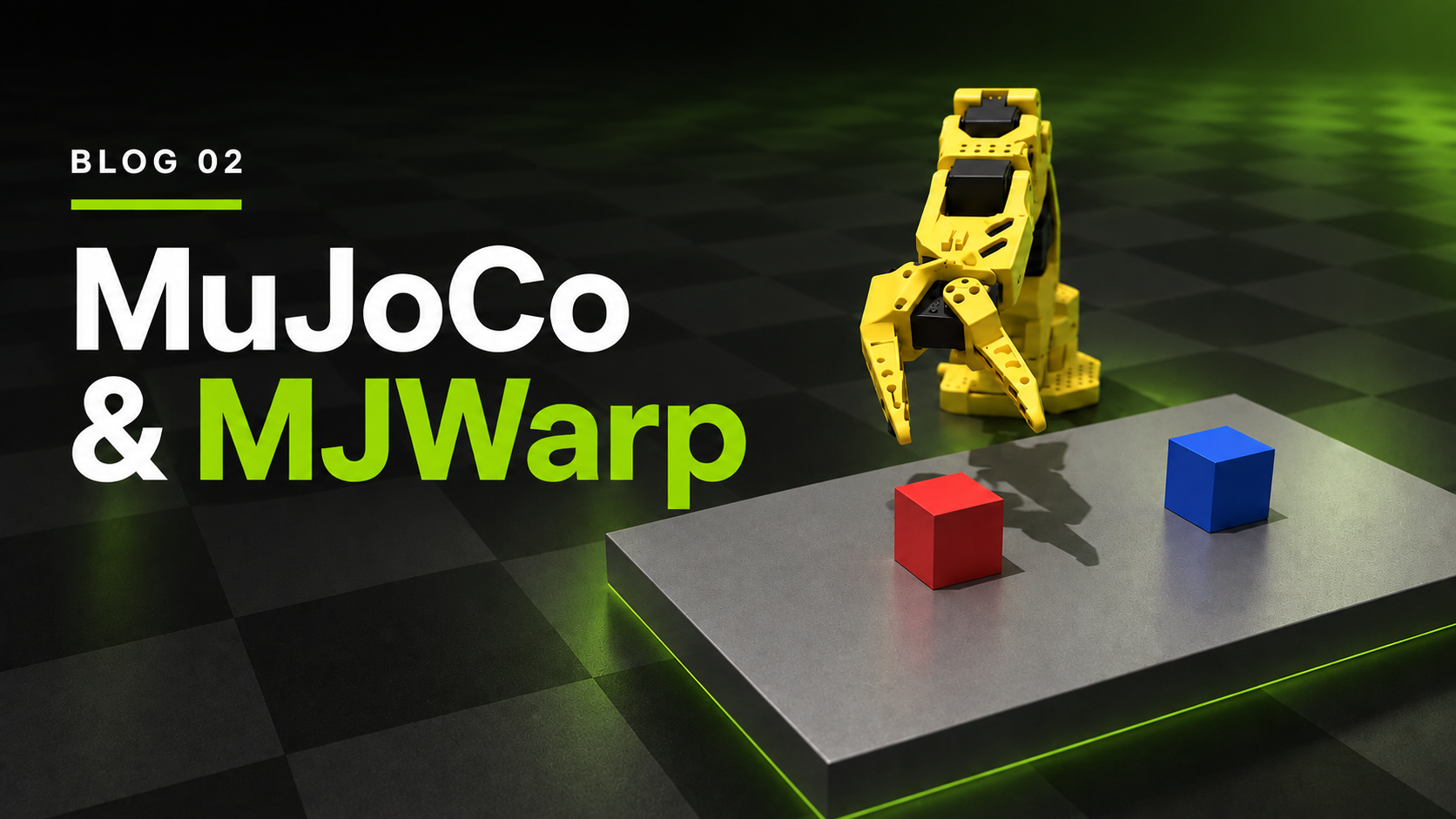
How to Use NVIDIA Warp and MjWarp to Accelerate Robotics Simulation and Learning Workflows
Faster simulation tools could help roboticists train autonomous systems more efficiently by compressing months of testing into weeks.