IAC completes autonomous racing event at Laguna Seca
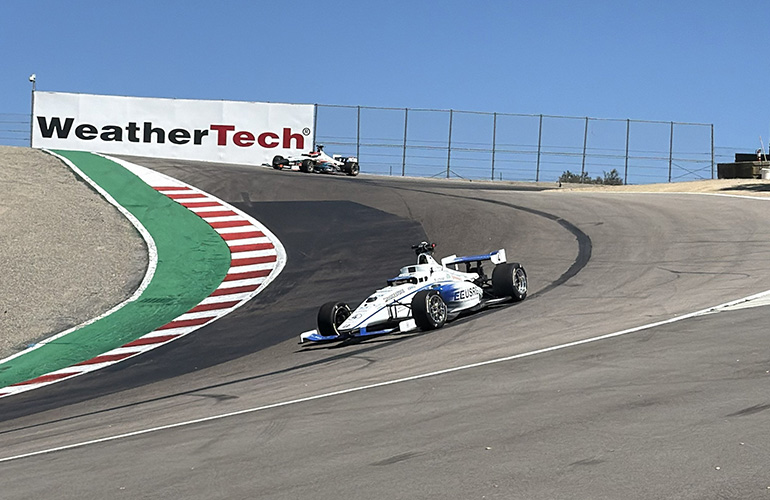
The corkscrew turn at Laguna Seca Raceway was the site of multiple overtakes at this year’s autonomous race. | Credit: IAC The latest Indy Autonomous Challenge, or IAC, university race took place on Sept. 3, prior to the annual Grand Prix of Monterey weekend. This year’s event featured the first time in IAC history that the autonomous racecars overtook one another on a road course. The winning team was Unimore Racing from the University of Modena and Reggio Emilia. The final heat fea
Get smart on it
The Indy Autonomous Challenge held a university racing competition where AI-controlled vehicles competed on a road course for the first time in the organization's history. The event marked the first time autonomous racecars overtook one another on a road course, with nine university teams from North America, Europe, and Asia programming AI driver software to control identical vehicles. Teams qualified for the physical race through a simulation event months earlier, where they tested their algorithms in a digital replica of the track to prevent collisions during actual competition. The competition is primarily focused on advancing AI driving software rather than vehicle hardware, as all vehicles share the same base design, engine, sensors, and computing platform.
Related news
With the new VENTUNO Q board, Arduino hopes to make robotics development easier
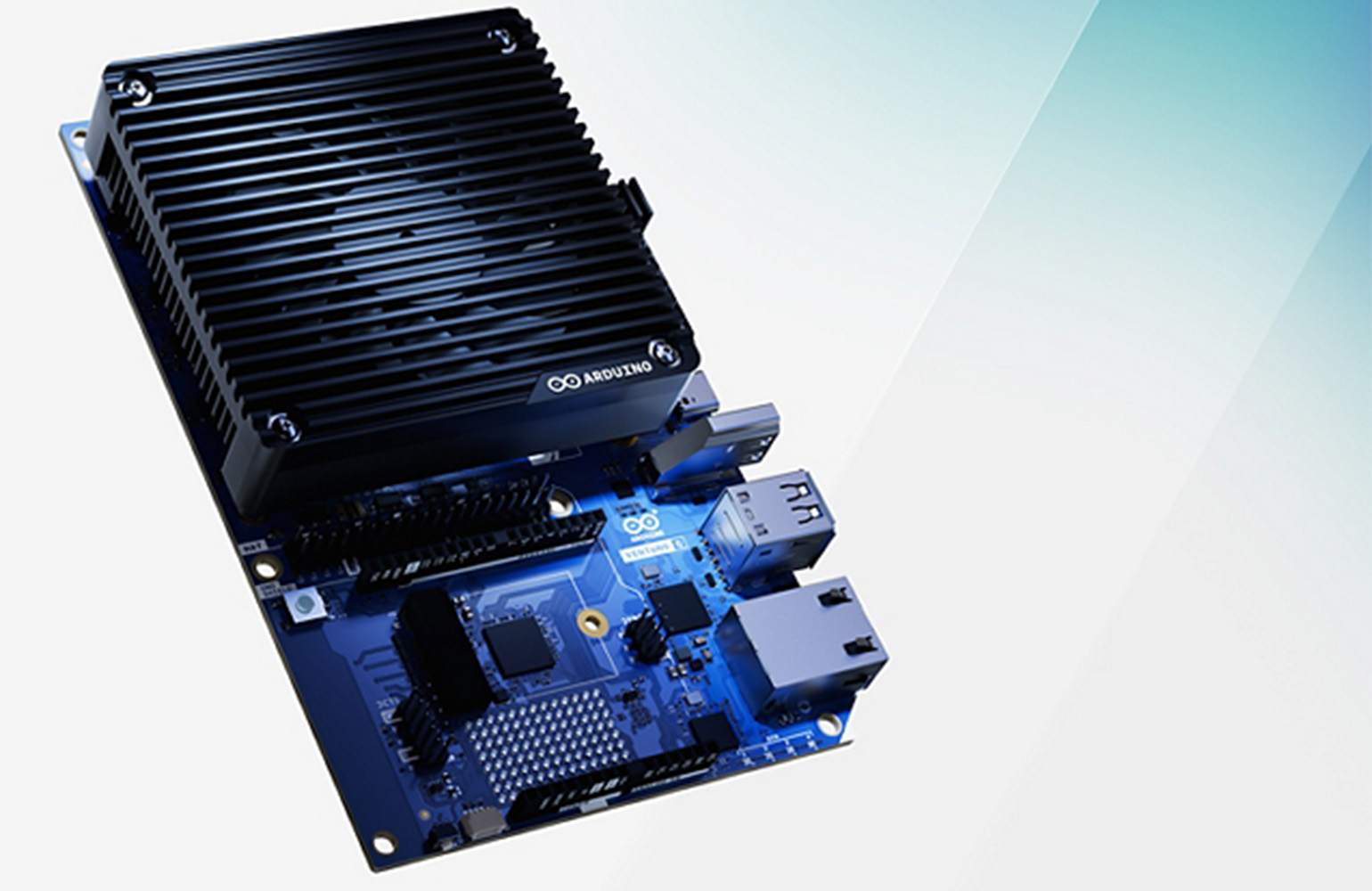
Arduino VENTUNO Q’s dual-brain architecture pairs a Qualcomm Dragonwing IQ8 Sprocessor with a real-time STM32H5 microcontroller. | Source: Qualcomm Arduino S.r.l., a subsidiary of Qualcomm Technologies Inc., recently opened pre-orders for VENTUNO Q, a edge AI platform powered by the Qualcomm Dragonwing IQ8 Series. Arduino built the board for developers, prioritizing familiarity and ease of use with the right software, accessories, and extensions. While this is Arduino’s first intenti
How to Use NVIDIA Warp and MjWarp to Accelerate Robotics Simulation and Learning Workflows
Faster simulation tools could help roboticists train autonomous systems more efficiently by compressing months of testing into weeks.