Humanoids won’t scale on factory floors until costs drop
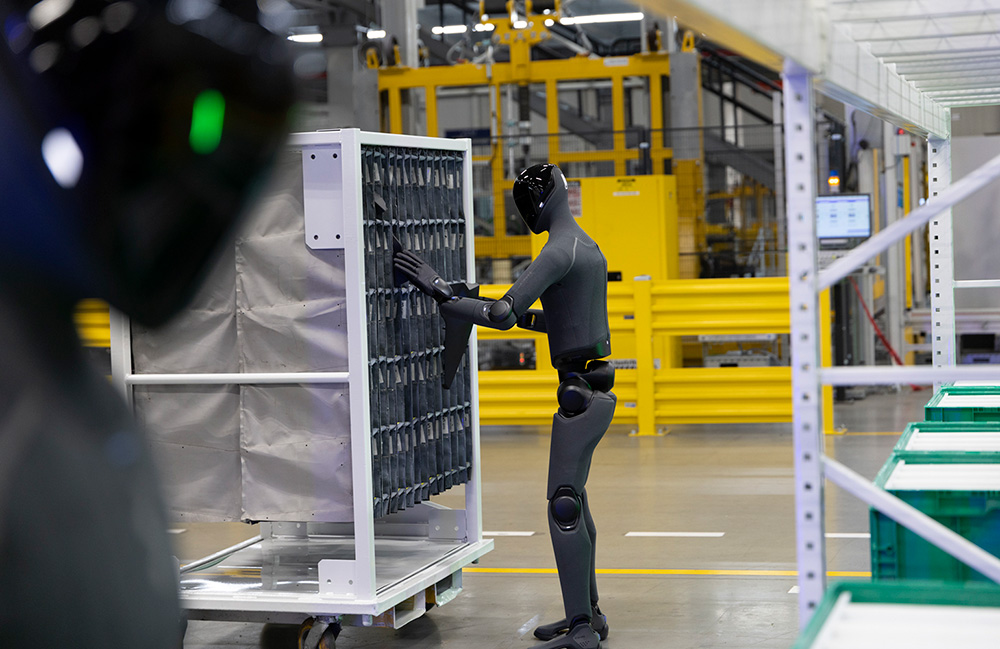
Following a successful pilot with Figure 02 at its plant in Spartanburg, S.C., BMW said it will deploy the new Figure 03 humanoid. | Source: BMW Group While the tech industry thinks AI is the main barrier for robots joining the manufacturing workforce, the real issue has less to do with intelligence and more to do with robotic unit economics and financial viability. AI has come a long way, vision systems have matured, foundation models keep getting better and the hardware has significantly impro
Get smart on it
Humanoid robots have advanced significantly in artificial intelligence, vision systems, and hardware capabilities, with some companies already operating them in real warehouse settings. However, the primary barrier to widespread factory adoption is not technological but economic: humanoid robots currently cost several hundred thousand dollars per unit, making their deployment financially unviable for most manufacturers compared to specialized automation solutions that offer better performance at lower cost. Specialized robots outperform humanoids in high-volume tasks like parcel sorting, handling significantly more items per hour while requiring less capital investment and faster payback periods. The path forward depends on manufacturers achieving the production scale necessary to reduce humanoid costs, which requires companies with expertise in manufacturing complex hardware efficiently at massive scale rather than just robotics research capability.
Related news

Experts look ahead at the next 20 years of robotics at RoboBusiness
From left to right: Rodney Brooks, Jonathan Hurst, and Ken Goldberg. Robotics has evolved from a promising technology into a critical business tool across manufacturing, logistics, healthcare, agriculture, defense, and beyond. At RoboBusiness 2026, which takes place Oct. 20 and 21 in Santa Clara, Calif., industry leaders will reflect on the breakthroughs that defined the past two decades. In the show’s opening keynote session, as RoboBusiness marks its 20th anniversary, leaders in robotics
Tacta Systems takes aim at high-skilled manufacturing work with TactaBot
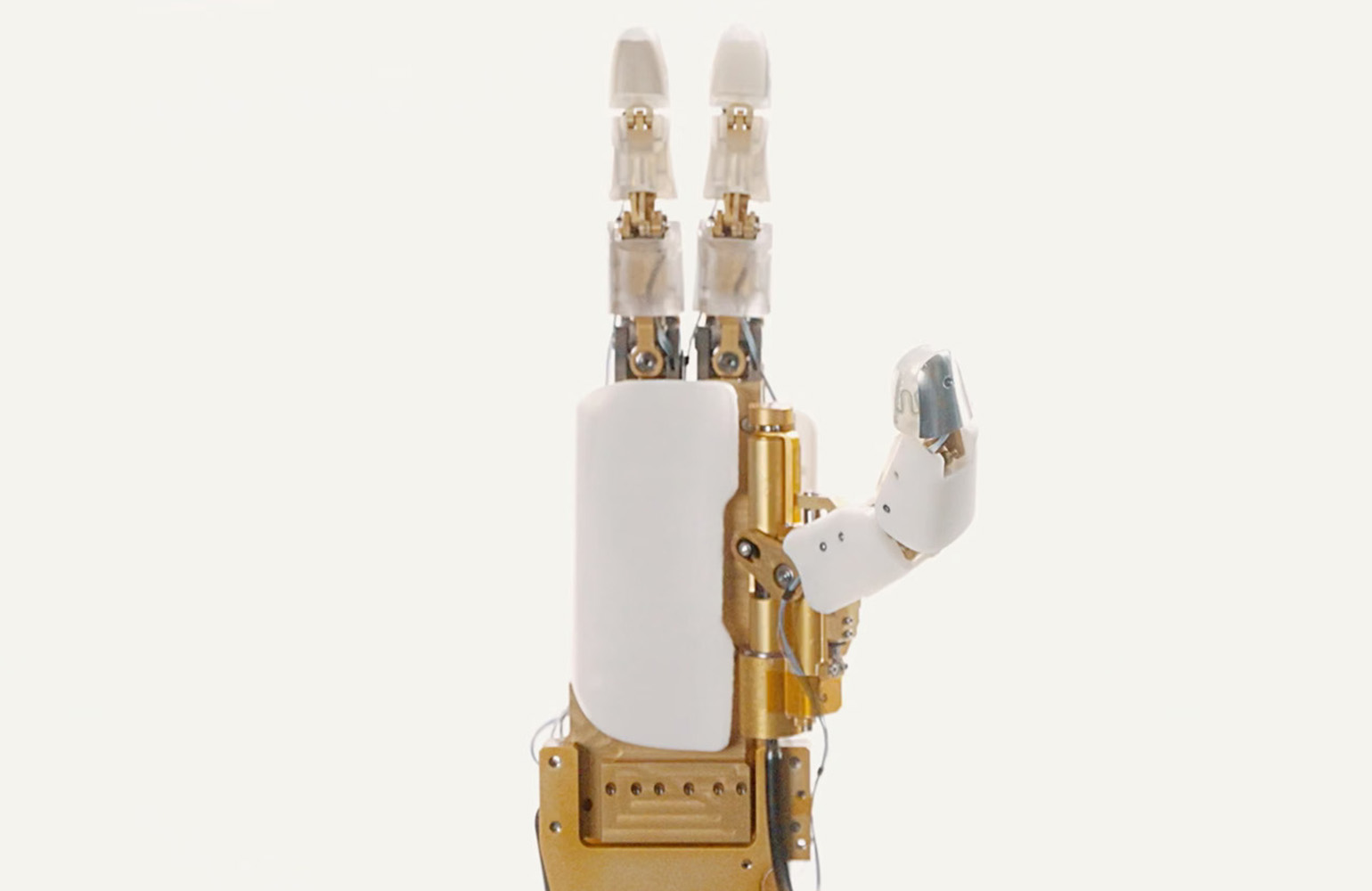
Tacta’s robotic hand comes in three- and five-finger configurations. | Source: Tacta Systems Tacta Systems last week launched the TactaBot, which includes the company’s Tacta Hand, Skill Capture system, and a Dexterous Intelligence AI model. These three components work together to create capable, scalable, and adaptable robotic hands for high-value work. “We have vison-only robots and a variety of different robots that do really good work today, which is moving objects and so on, but